

The Practise of Attention: Top Design Brands Shaping Modern Meditation
Today’s luxury isn’t louder branding or higher price tags. It’s a nervous system that can finally unwind. Moments for stillness do not begin with an app. It begins with setting the space. The light in a room. The texture beneath you. The small rituals that signal a pause in the day.
As more people seek stillness in a culture built for acceleration, the objects surrounding a meditation practice have begun to matter again. Not as distractions, but as anchors: materials that ground the body, light that softens attention, vessels that mark the rhythm of a ritual.
Meditation has often been packaged within a predictable wellness aesthetic. Muted palettes, minimal studios, and spaces that feel removed from everyday life. Yet the practice itself has always been more expansive. Today, a new generation of designers is reframing meditation objects as part of broader design culture: pieces rooted in craft, materiality, and ritual that can live naturally in homes, creative spaces, and communities beyond the traditional wellness setting; while also paying homage to its heritage.
This selection of timeworthy brands create objects that support that return. Pieces made with care, with an attention to materials, and an understanding that good design doesn’t compete with presence, it quietly supports it.
Undigested Design
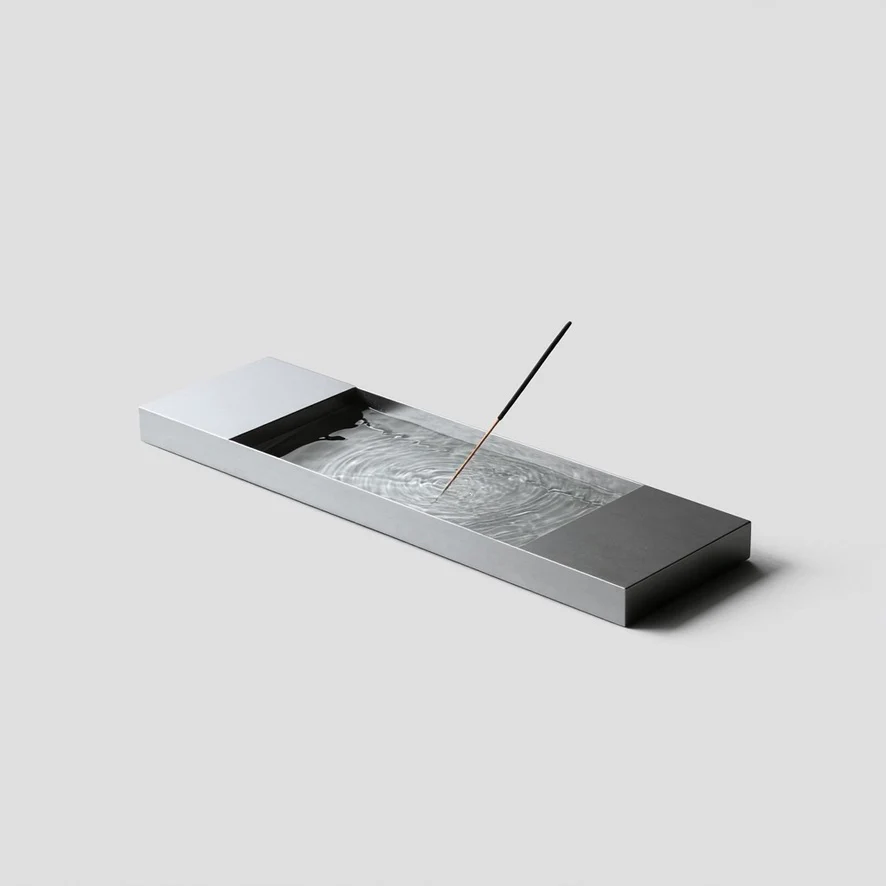
Founded in 2021 by Maximilian Hofmann in rural Bavaria before moving to Berlin, Undigested began, like many things, as a project, then evolved into something rarer. Collectible furniture and objects guided by what Hofmann calls 'radical silence.' The studio works primarily in aluminium, creating sculptural pieces that draw from geometry and ancient architectural forms to explore the balance between industrial precision and stillness.
Satta
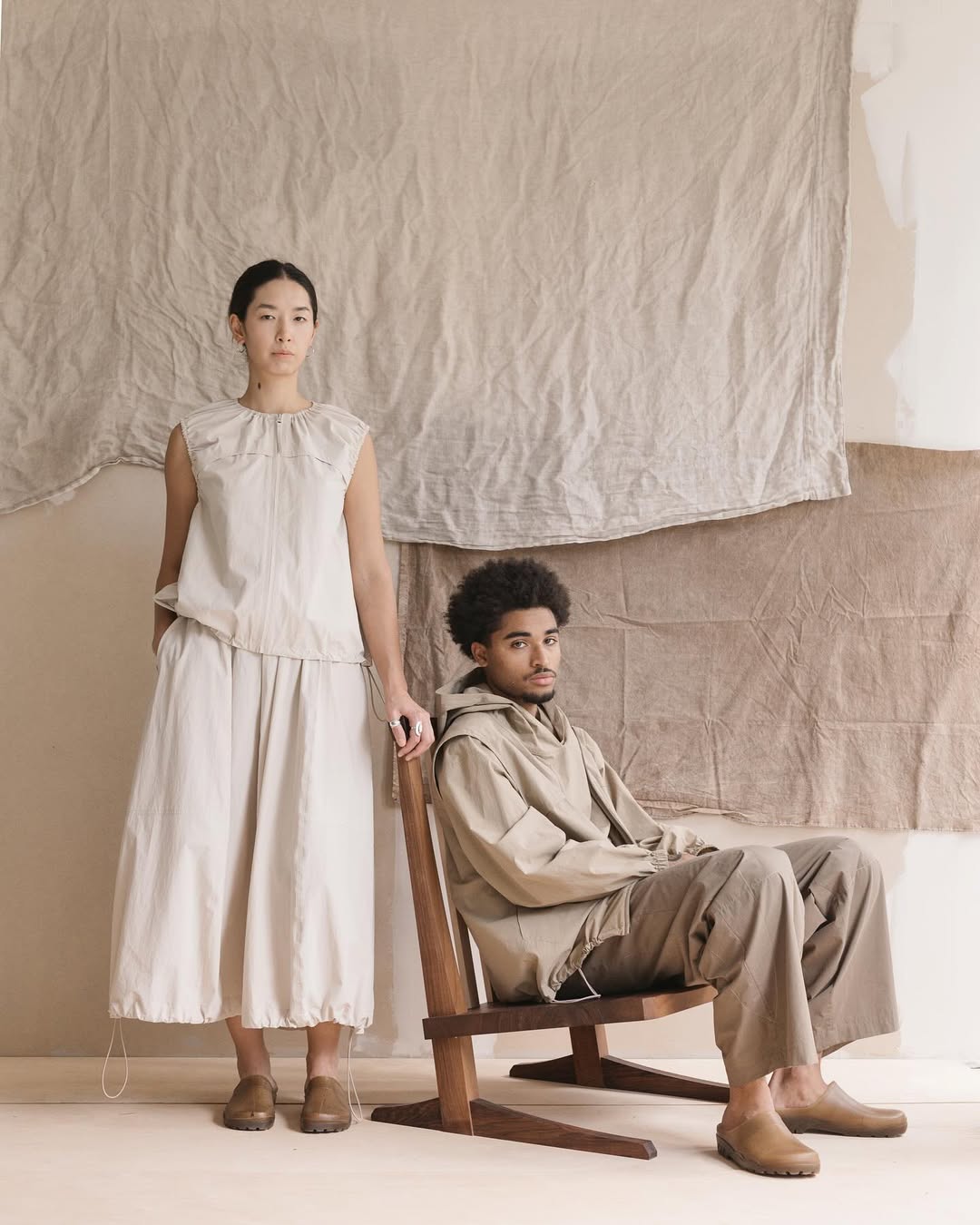
'Satta' holds two meanings at once: 'existence' or 'being' in Sanskrit, and 'relax' or 'chill' in Jamaican Patois. The brand's founder, Joe Lauder — born in South London, shaped by Brixton, informed by years in Zen gardens, Hindu and Buddhist retreats in Nepal and Tibet, and time living with a shaman in the Amazon — brought that dual tension into a small label now based in Barcelona that makes garments and handmade objects around the concept of livity: a Rastafarian philosophy of connected, balanced, harmonious living. Everything is made in Portugal from organic cotton in plant and earth tones, in small batches, with care. Satta belongs in a meditation space not because it performs the aesthetic of stillness, but because it was conceived by someone who has genuinely sought it, and found that the clothes you wear are part of how you get there.
The Nue Co
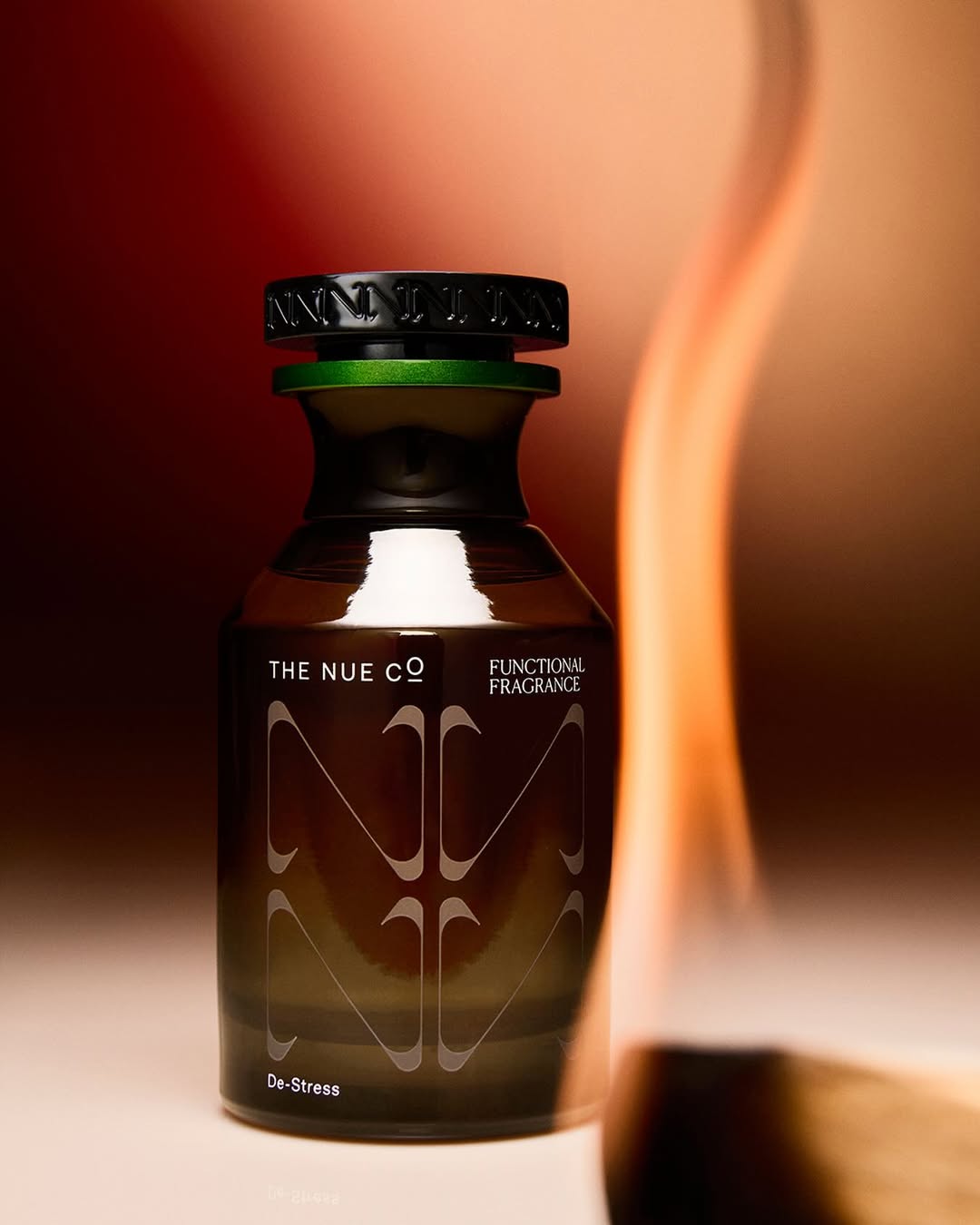
Jules Miller founded The Nue Co. in London in 2017 after a personal struggle with IBS led her to investigate what was actually in the supplements she was taking. The brand blends clinical science with Ayurvedic and Chinese medicine traditions, offering supplements, functional fragrances, and skincare built around the body's actual needs. Their Functional Fragrance, developed with neuroscent research from the University of Geneva, is designed specifically to calm the nervous system using olfactory triggers.

Studio K
Studio K was founded in 2016 by Miki and Rikard West, a couple from Stockholm who set out to combine their love for fashion and wellbeing into a label made in harmony with nature. Every garment is handcrafted in a woman-owned studio in Bali, using certified organic, recycled, or 100% biodegradable fabrics dyed with OEKO-TEX certified low-impact dyes. Inspired by the fluid silhouettes of 1960s sportswear, when the boundary between fashion and movement wear was genuinely blurred.
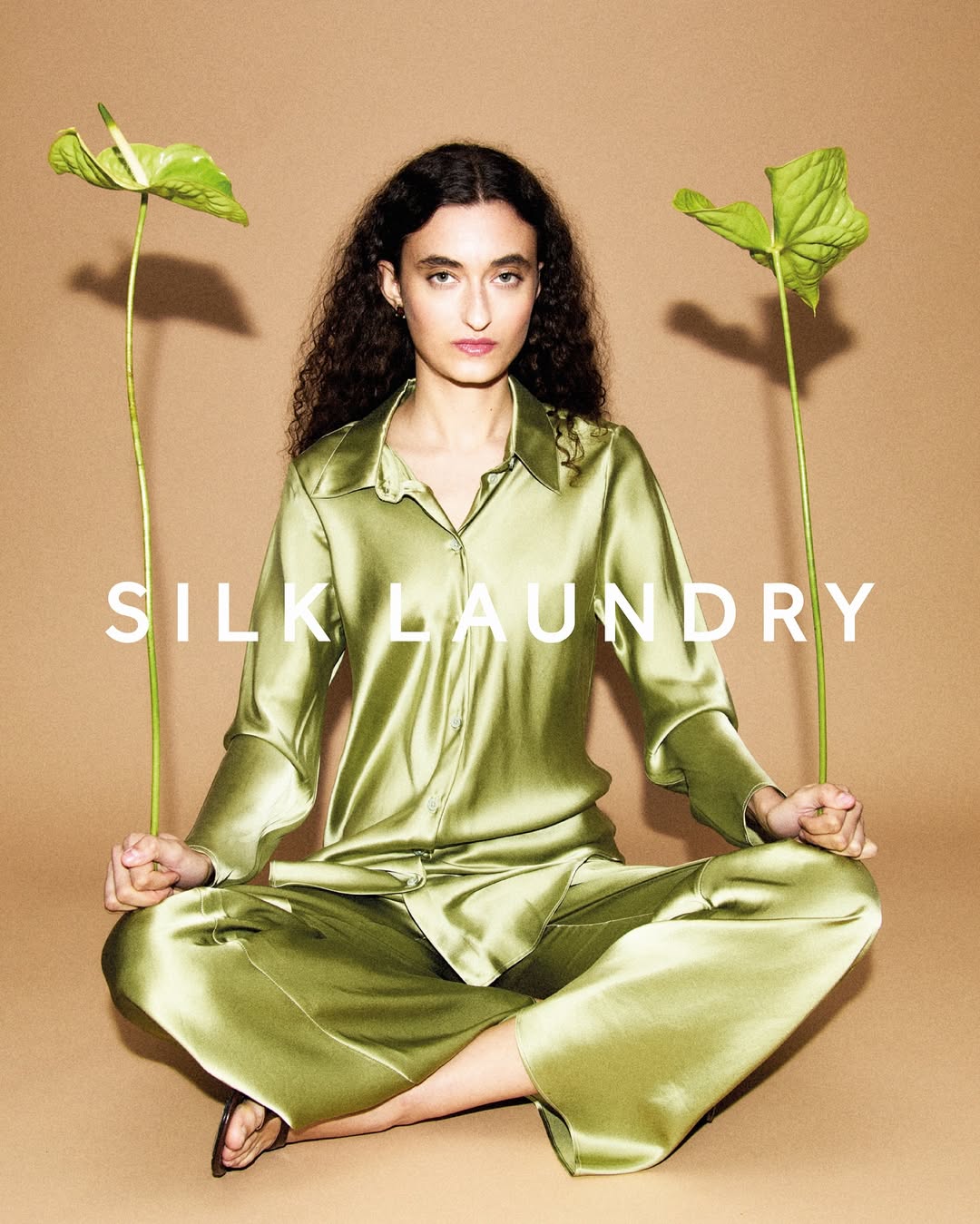
Silk Laundry
Founded in Australia in 2015 by Katie Kolodinski with the principle; never be wasteful or superfluous. Out of a personal inability to find well-made clothing in natural fibres that would pair with what she already owned. Silk was chosen for its durability, natural lifecycle, and the way it actually feels: cool, responsive, and alive to the body. For meditation or stillness, the garments offer a loose but luxurious fit to complement your practise.
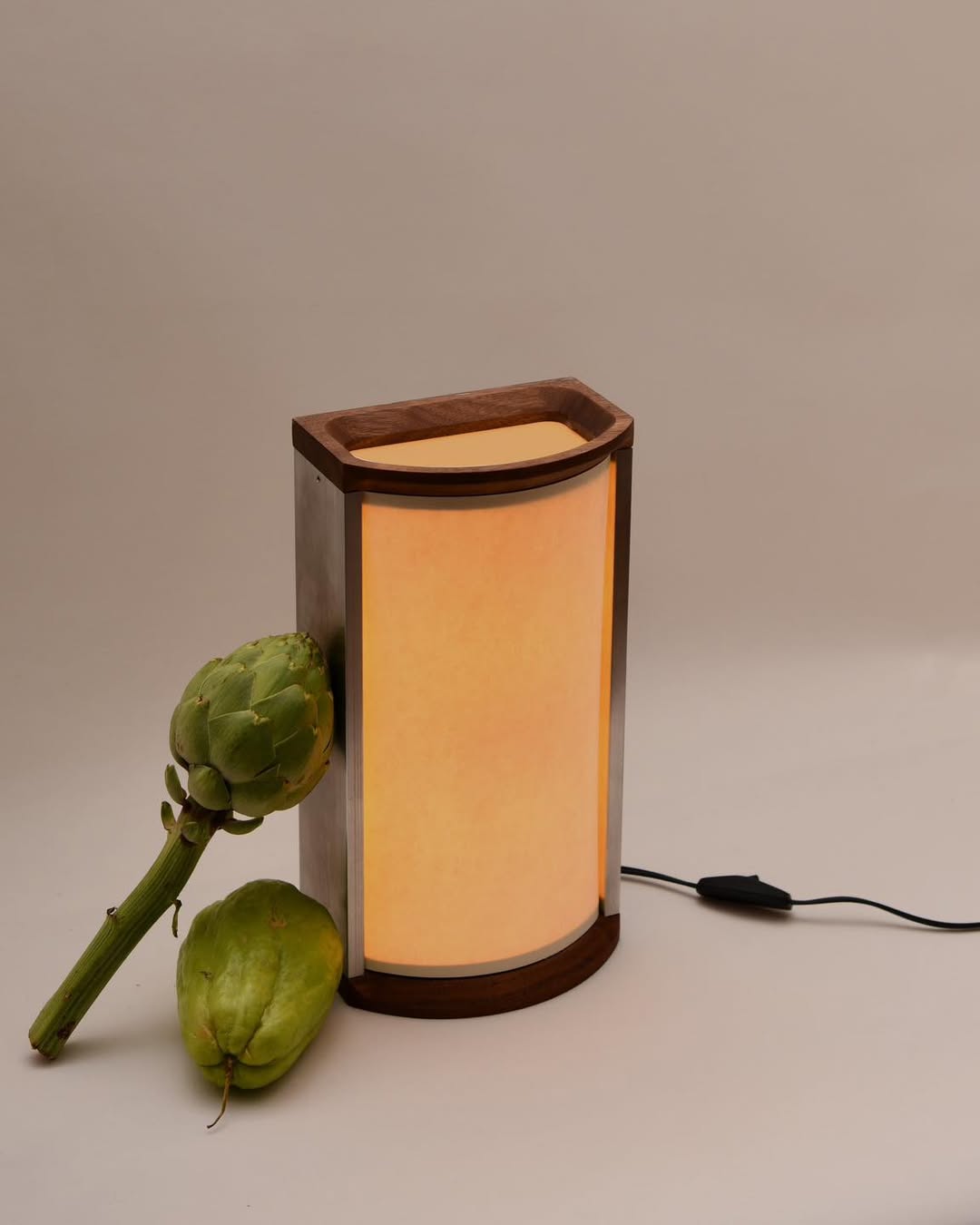
Parcta
Assembled piece by piece from a laneway in Surry Hills, their objects and furniture begin as conversations and sketches formed at the intersection of user need and design curiosity, with every material and manufacturing decision made with longevity and generational use in mind. Exploring the tension between brutalism and warmth, Parcta's commitment to ageing gracefully rather than planned make them a fit for a meditation or considered living space.
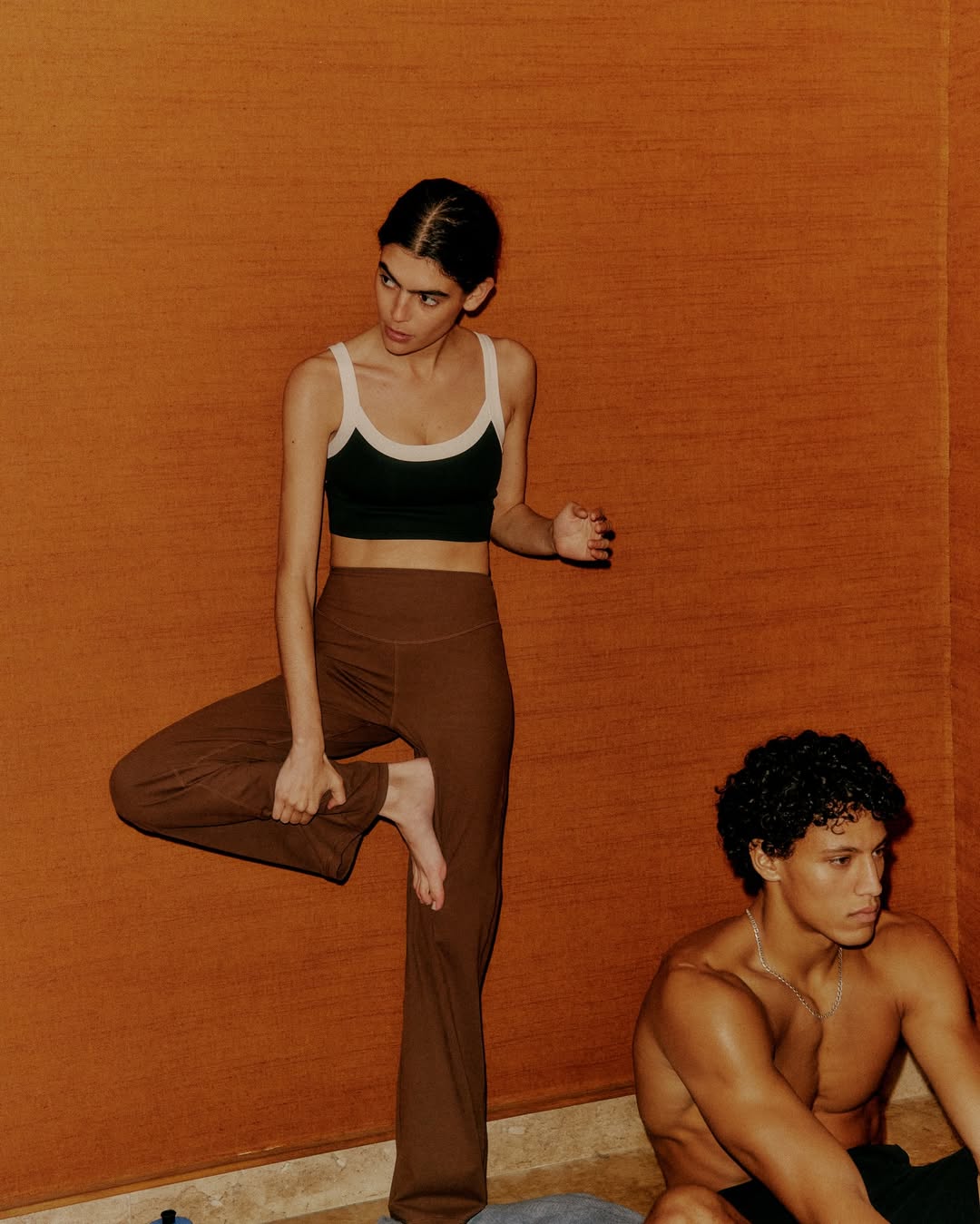
Organic Basics
Organic Basics was founded in Copenhagen in 2015 with one of the more straightforward missions in sustainable fashion: to make the world's most sustainable basics and to be radically transparent about every step of doing so. They publish full impact reports, named manufacturer addresses, and detailed material certifications. For a meditation or movement, Organic Basics fills a role that more aspirational brands often miss: the underlayers.
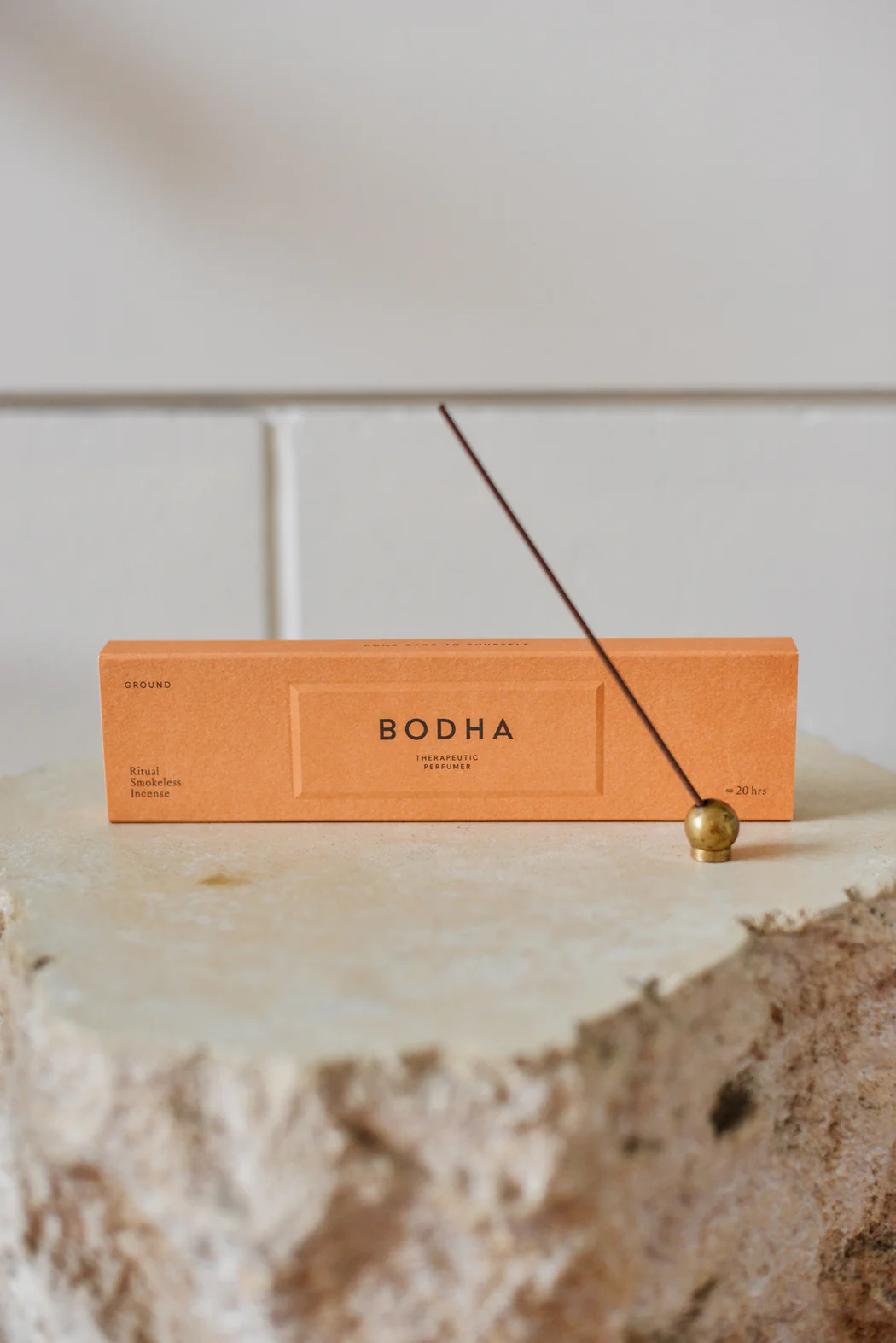
Bodha
Bodha was founded in Los Angeles in 2015 by perfumer Emily L'Ami and designer Fred L'Ami, from the premise that scent has a unique and underused ability to create moments of genuine calm — and that it deserves the same serious craft given to fine perfumery. Their smokeless incense, made in Japan using traditional methods from organic woods and essential oils, is organised around four intentions: Refresh, Ground, Calm, and Purify, each designed to signal a different quality of attention to the nervous system. The Ritual Incense Kit arrives in a handcrafted kiri wood box with thirty contemplation cards, made to be refilled for years. Scent is one of the most reliable anchors for a meditation practice — a consistent fragrance before sitting trains the body over time. Bodha designs around that function, not as marketing, but as a genuine understanding of how ritual works.
Mate the Label
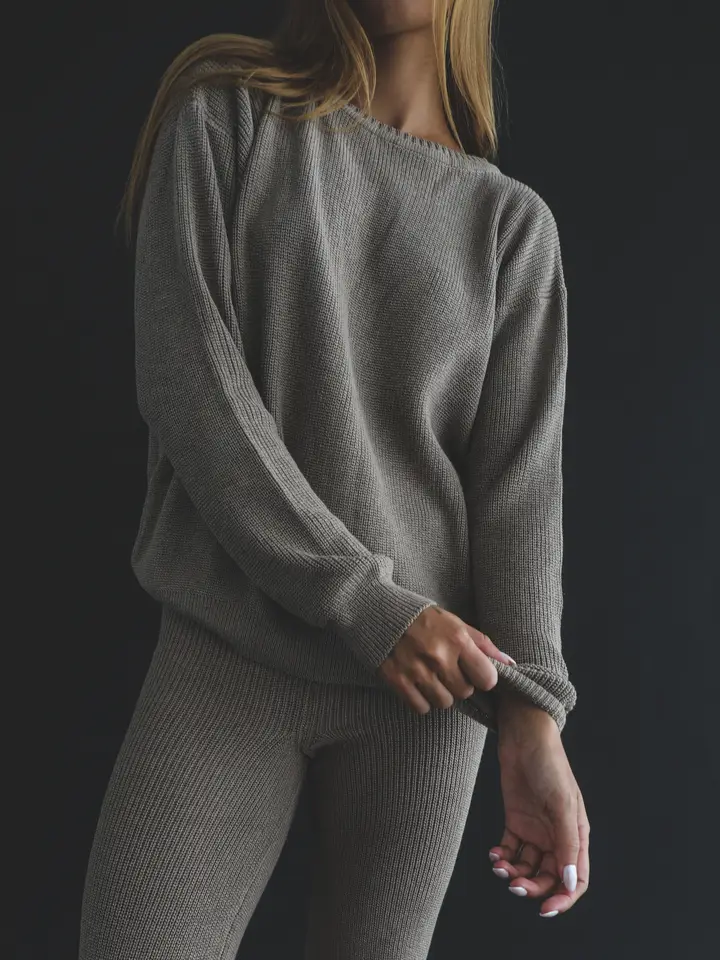
Kayti O'Connell Carr began MATE in 2013 selling vintage-inspired graphic tees in Los Angeles, but after researching what her own production was doing to the planet — and to the people wearing her clothes — she rebuilt the brand from the ground up around a philosophy she calls 'Dress Clean.' Today MATE is GOTS certified, Climate Neutral certified, and a B Corp, making everything in Los Angeles from organic cotton, linen, TENCEL and hemp, using non-toxic dyes and plastic-free packaging. Their 'Detox Your Closet' circularity programme takes garments back and turns them into new material. For a practice wardrobe, MATE fills the most essential and often overlooked category: the everyday layer, the comfortable lounge piece, the fabric that is genuinely kind to your skin because it comes from the soil without pesticides, not from petroleum. These are the pieces you reach for without thinking — and that is exactly how they should feel.

Gai+Lisva
GAI+LISVA was founded in 2007 in Aarhus by sisters Malene and Bettina Aagaard Site, beginning as a small retail store before evolving into an independent label with its first collection in 2008. The brand describes itself as rooted deeply in the Nordic expression of quiet luxury; clothes you can live, breathe, and move in comfortably. Made from long-lasting natural fibres in neutral tones that resist the pull of seasonality, they work with European production facilities, while managed and operated by women, and running a resale platform to extend the life of every garment.
Hasami
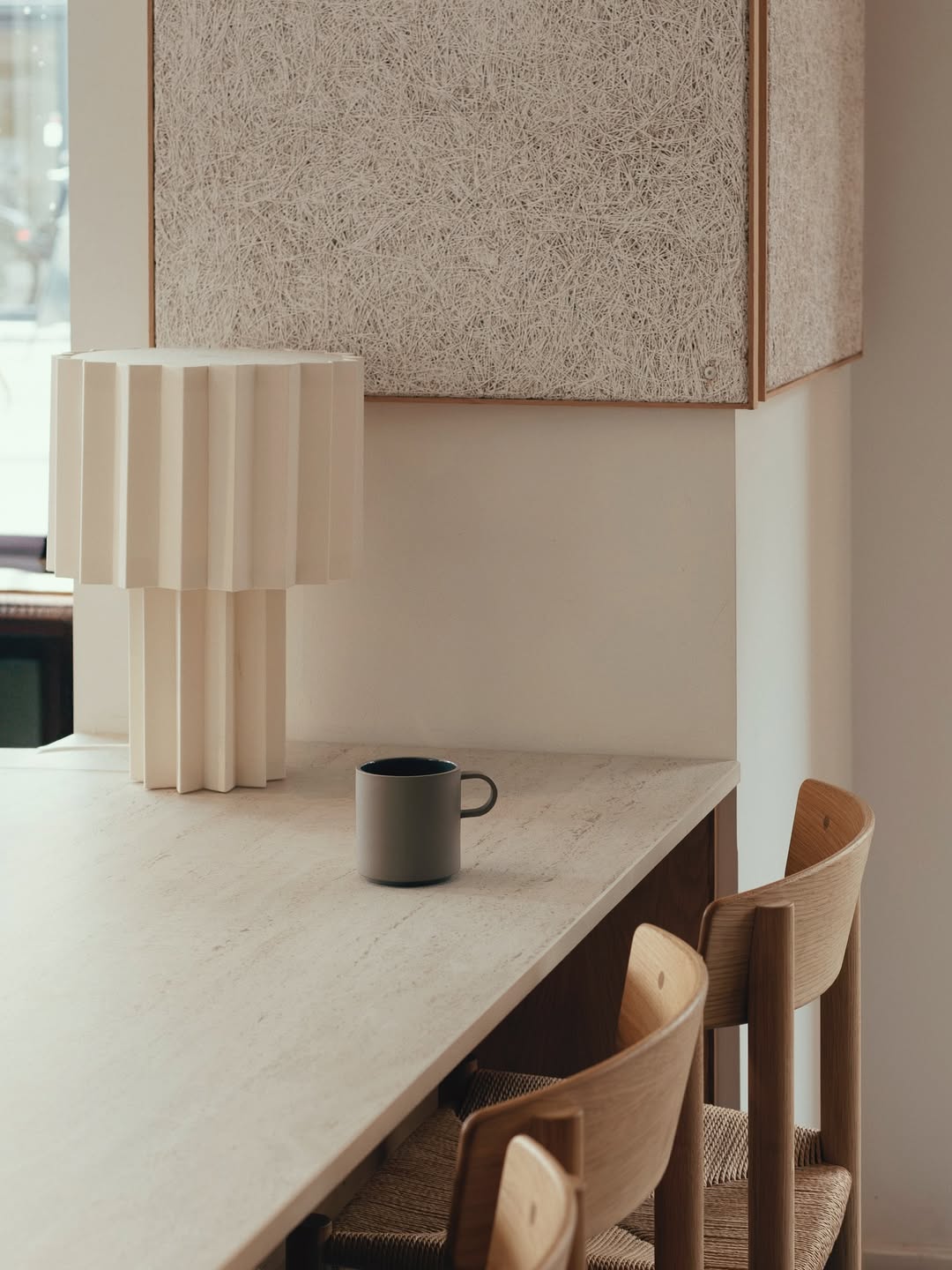
The town of Hasami in Nagasaki Prefecture has produced porcelain for nearly four centuries, its craftspeople long specialised in single stages of the process — mixing, moulding, glazing, firing — so that each piece carries accumulated knowledge that no one person holds alone. Hasami Porcelain, designed by Takuhiro Shinomoto of Tortoise in Venice, California, carries all of that tradition while looking entirely contemporary, its organising principle being that all pieces share a common diameter — making them modular, stackable, and endlessly reconfigurable. The material itself, a proprietary blend of porcelain and sandstone clay, grows more beautiful with use: no two pieces are exactly alike. These are objects for slow mornings and unhurried rituals, designed not to demand your attention but to quietly support the quality of it.
Kinto
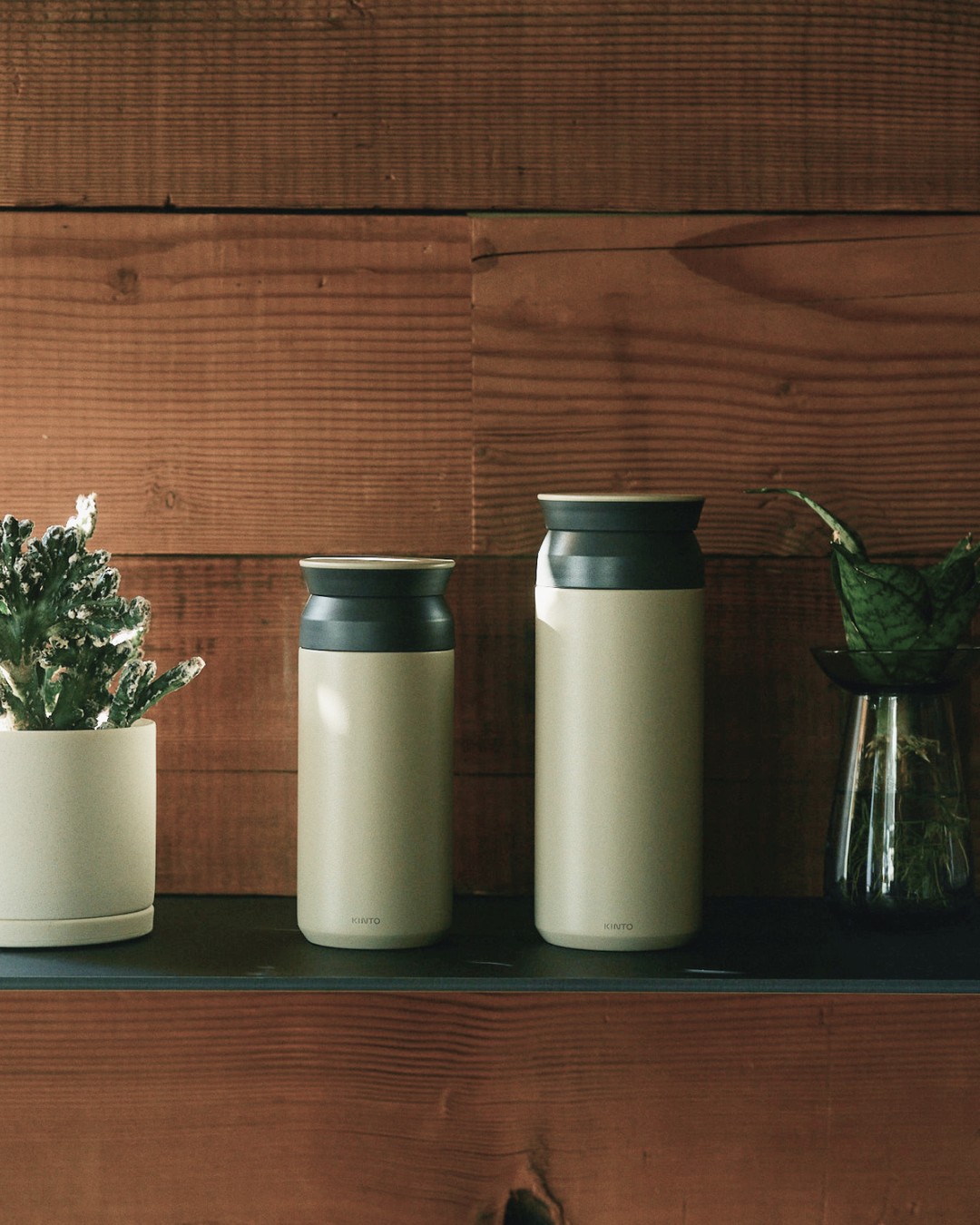
With what began in 1972 as a tableware wholesaler in Shiga Prefecture, Japan, and spent the following decades quietly refining its philosophy, and translated it into the tools of ordinary life. Their slow coffee equipment, teapots, ceramics, and drinkware are all designed around the idea that daily rituals deserve as much attention as special occasions. An invitation to slow down and be present with what's in front of you.
Prism
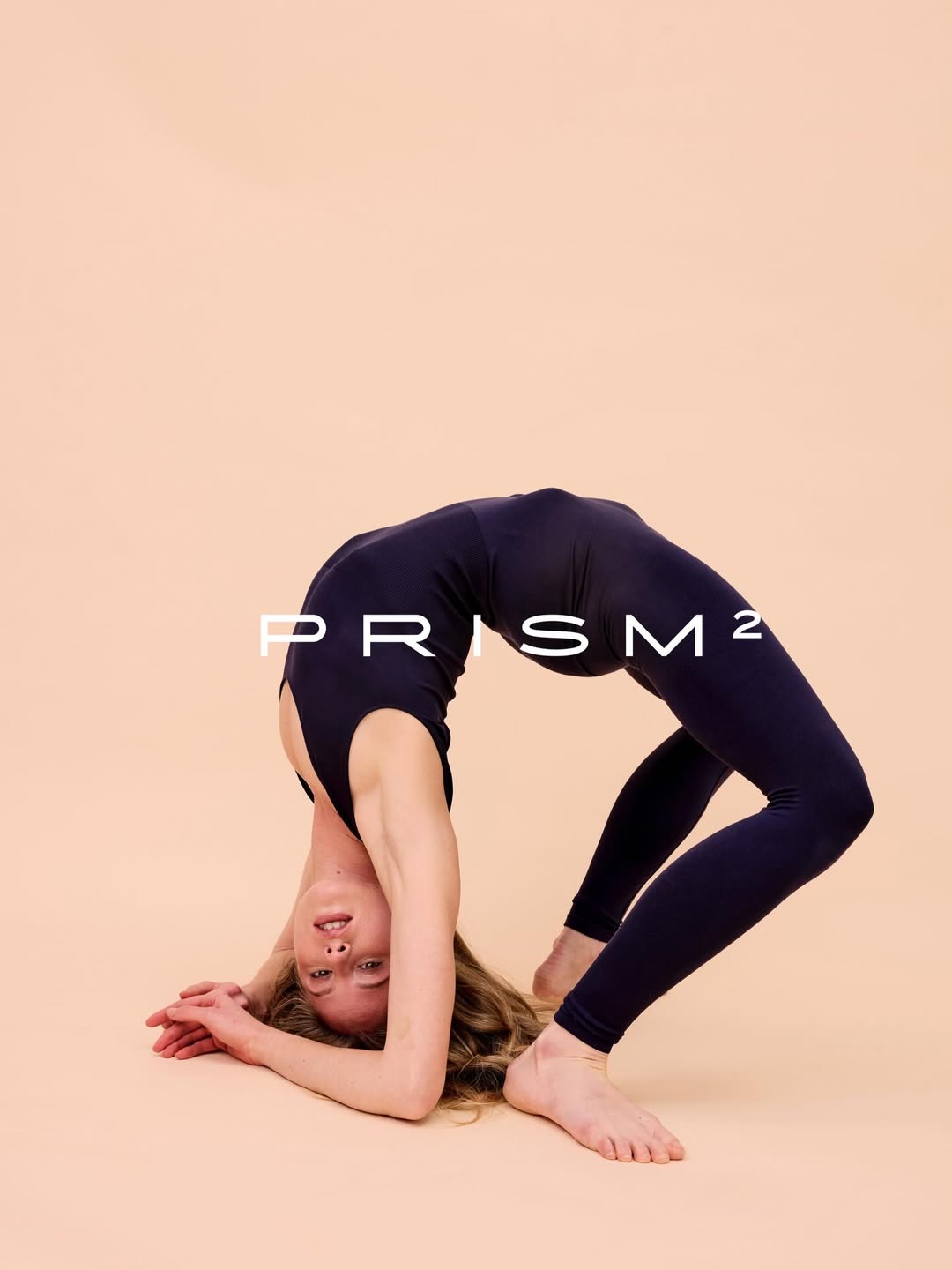
Luxury activewear, handmade, almost always from sustainable, archive, or surplus materials developed in collaboration with boutique mills in Italy and France. Their 3D seamless knit adapts to the body over time, their eco-dyeing and certification standards, is the structural opposite of the activewear industry's default mode.
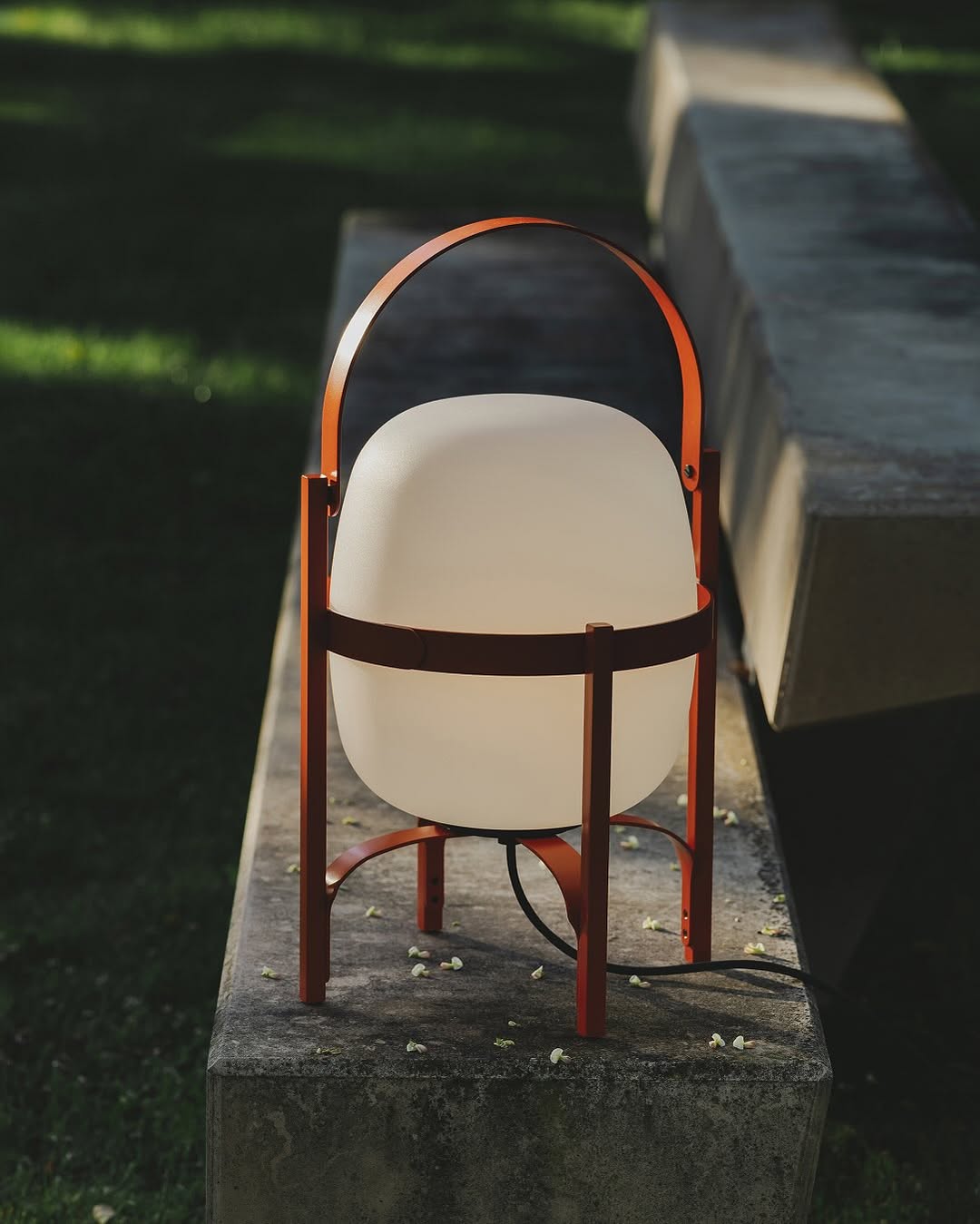
Santa Cole
Founded in Barcelona in 1985 by Javier Santa, Gabriel Cole, and Nina Masó, Santa & Cole has always described itself not as a manufacturer but as an editor. Over four decades, more than eighty designers have contributed to their catalogue, each piece chosen for what it communicates rather than for trend. Their lighting is especially relevant here: calm, warm, and resolutely non-invasive. The iconic Cesta lamp; born from a globe found on a Barcelona street, diffuses light evenly through opal glass, creating an ambient softness that sets the tone for introspection without effort.