

The Quiet Act of Choosing Well in a Noisy Wellness Culture with Emili Udoma
The wellness world has seen a full rebirth in the last few decades and with that, comes a ton of choices. The exhaustion most people feel today is not from overwork. It is from too many options for our brain to process and eliminate.
In wellness culture, in the choices we make every day, it is the background noise most of us have stopped noticing. Emili Udoma has been paying attention, and has learned to tune it out.
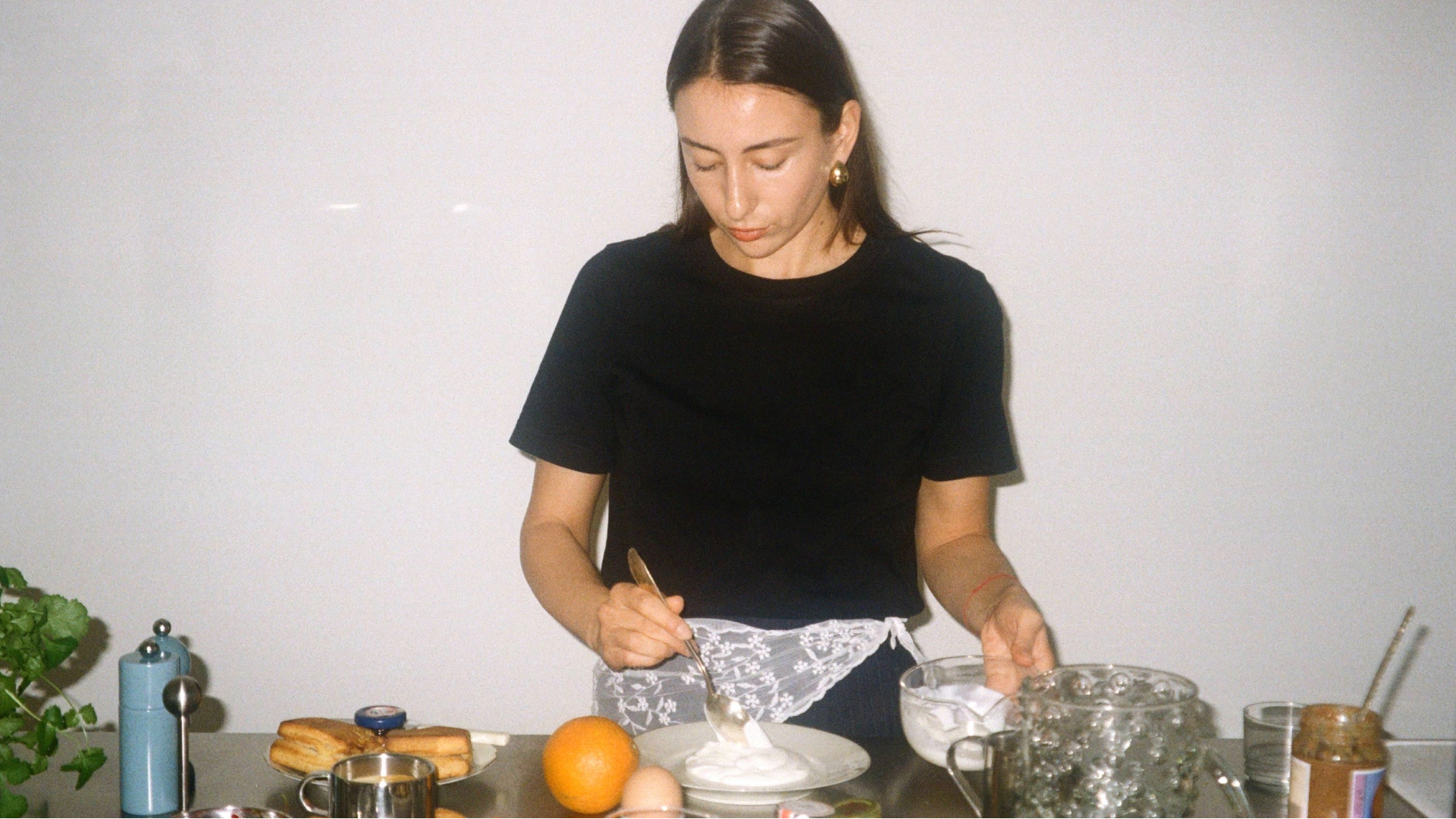
Emili is a women's holistic health coach and chef based in Amsterdam, and one of those rare people whose influence feels like relief rather than pressure. Her social media presence doesn't chase trends or amplify extremes. It offers something less common: a considered, grounded way of being in the world, built around the idea that what you choose to bring into your life - what you eat, what you put on your skin, what you let into your home - is a form of self-knowledge.
I met Emili to talk about trust, attention, and the small brands that deserve far more of both.
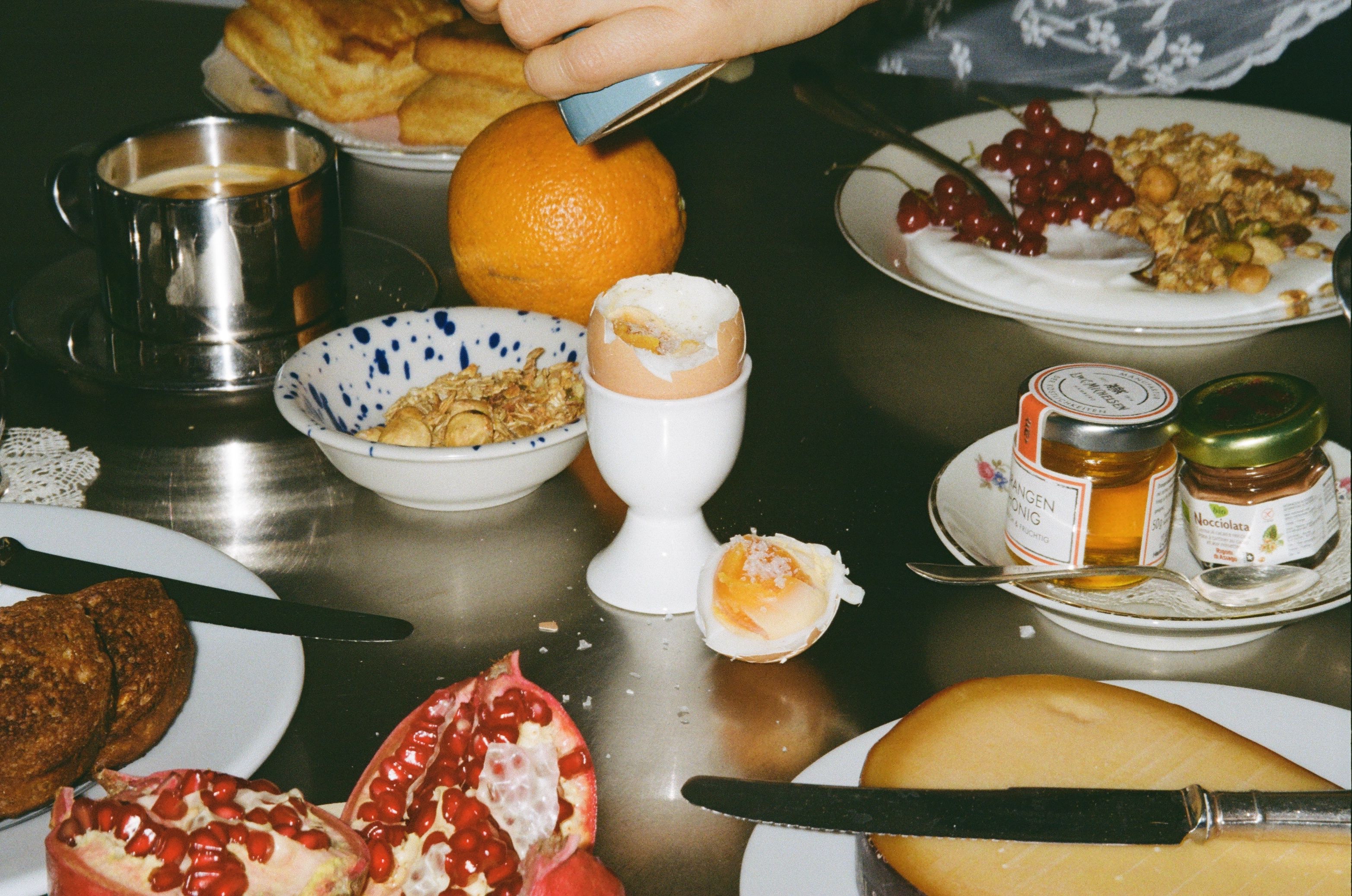
She describes her work, stripped of its labels, as advocacy. Not for a particular diet or protocol, but for a more fundamental literacy: the ability to hear your own body over the noise. "We have access to all of this knowledge at the tip of our fingers," she says. "But information doesn't equal transformation." Knowing what to eat, what to buy, what to do - none of it lands if you have lost the thread back to yourself.
That thread is what she tries to help people find. Through her coaching practice and through what she shares publicly, the invitation is always the same: look within.

“My goal is to influence women to actually look within. Through hearing my journey, you get inspired to look for the answers inside yourself, rather than copy-pasting whatever someone else is doing in their life.”
It is a different proposition than most wellness content makes. And it explains something about the way she approaches brands.
In a world where everyone is trying to sell you something, Emili's filter is deceptively simple: read the back, not the front. Ingredients first. Story second. Often, she looks past the marketing, past the branding, past who is sharing it, and goes straight to what the thing is actually made of.
"I look for ingredients that I can pronounce and that I can recognise," she says. "Get to the back of the product. Not the front."
The same principle applies whether she is choosing pasta or a body brush. If it doesn't belong in the product, it shouldn't be there. And increasingly, she finds that the brands doing the most interesting work are the ones operating quietly, at a smaller scale, without the budget to dominate the shelf. Those are the ones she chooses. And those are the ones she talks about and shares with her clients.
Her Top 5 Favorite
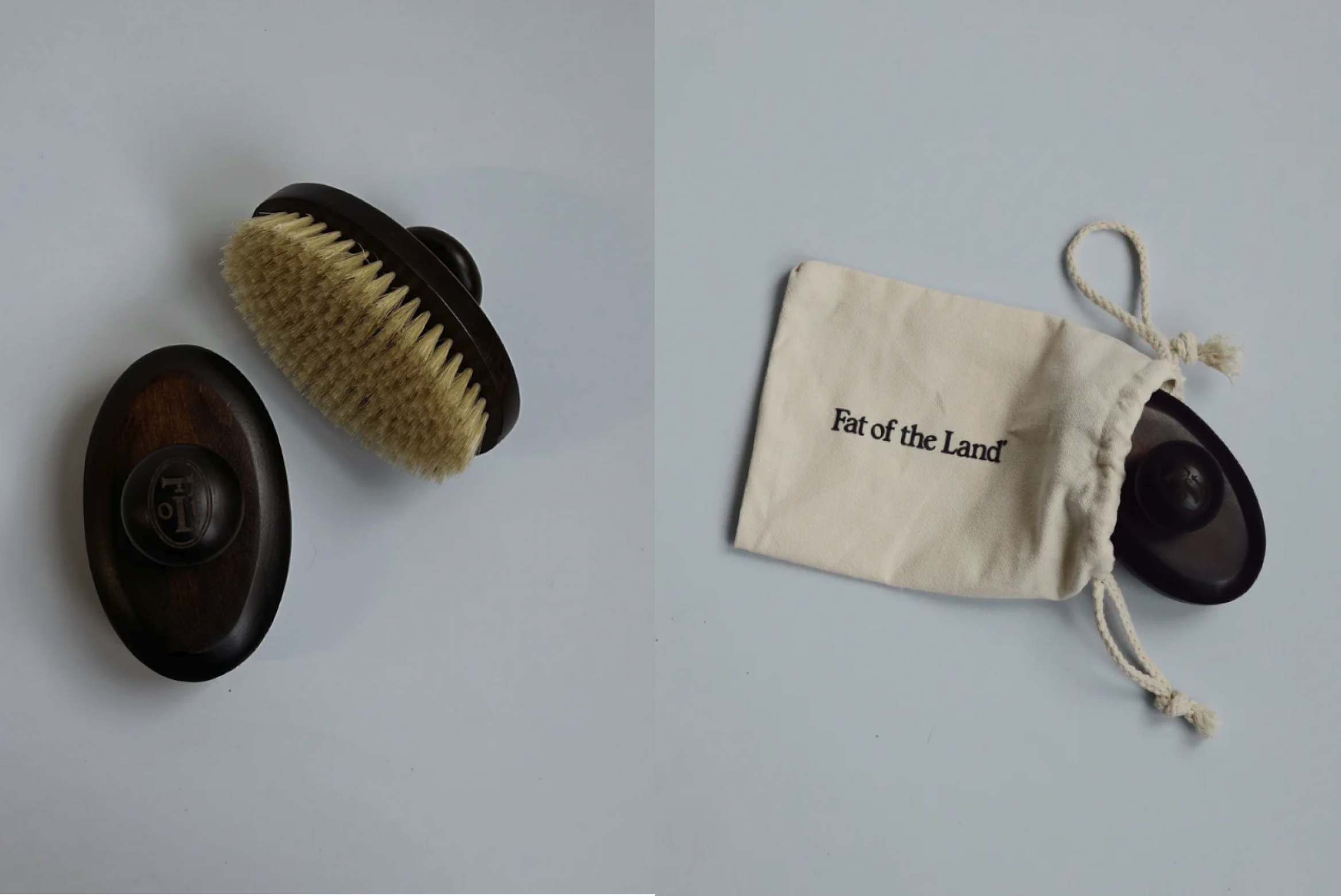
Fat of the Land Renewal Body Brush
A dry body brush made with natural boar bristles and a handcrafted beech wood handle, designed for lymphatic drainage and circulation. An Amsterdam-based brand that understands the body as something to be supported rather than corrected. The act of dry brushing — slow, deliberate, done before the day starts or after it ends — is exactly the kind of small ritual Emili believes in.
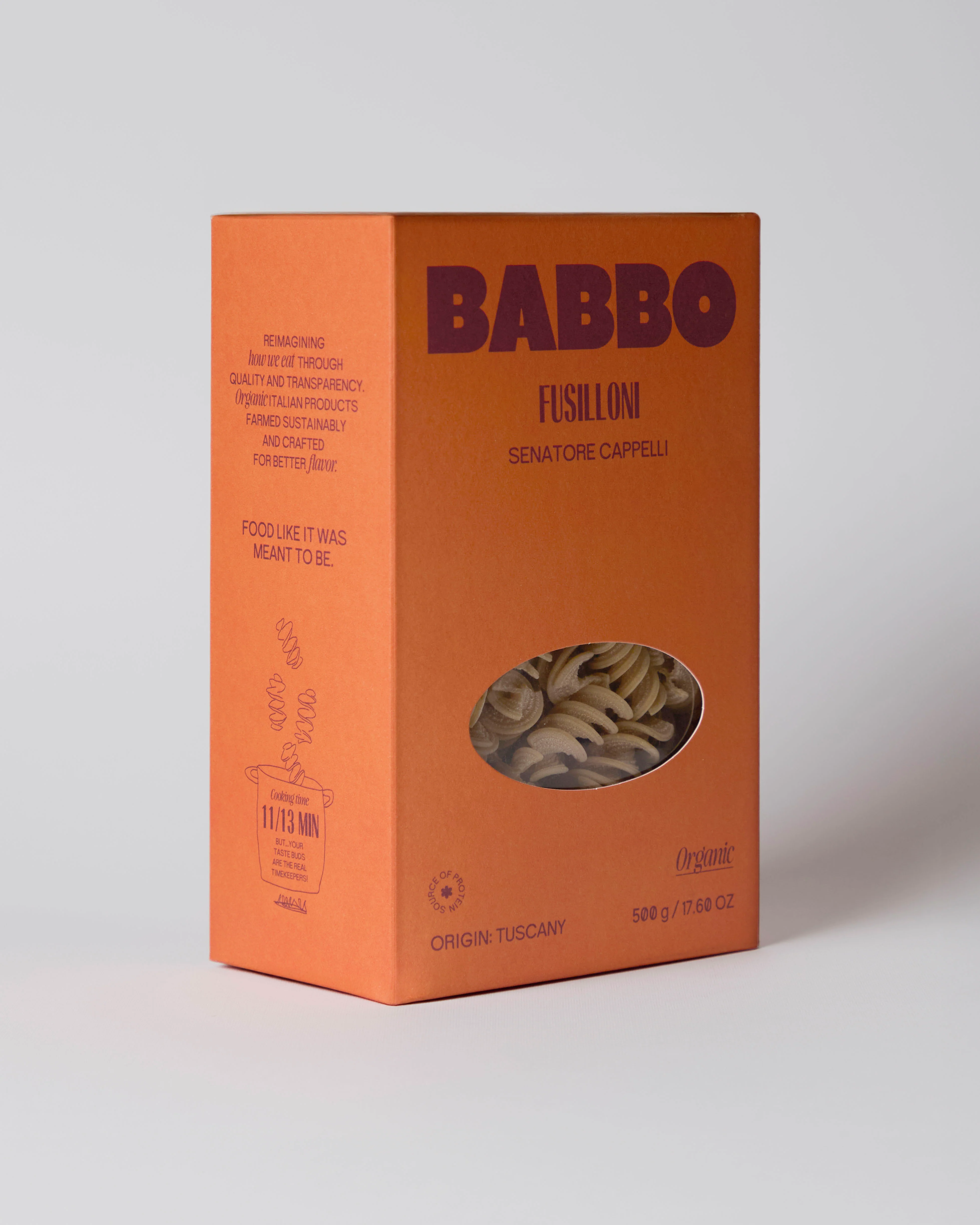
Babbo Einkorn Fusilli
Babbo Fusilli is made from einkorn, one of the world's oldest and least-modified wheats, stone-milled to keep its nutrients intact. The ingredient list is exactly what it should be: nothing hidden, nothing added. It is pasta as it was before pasta became complicated — nutty, satisfying, and worth eating slowly.
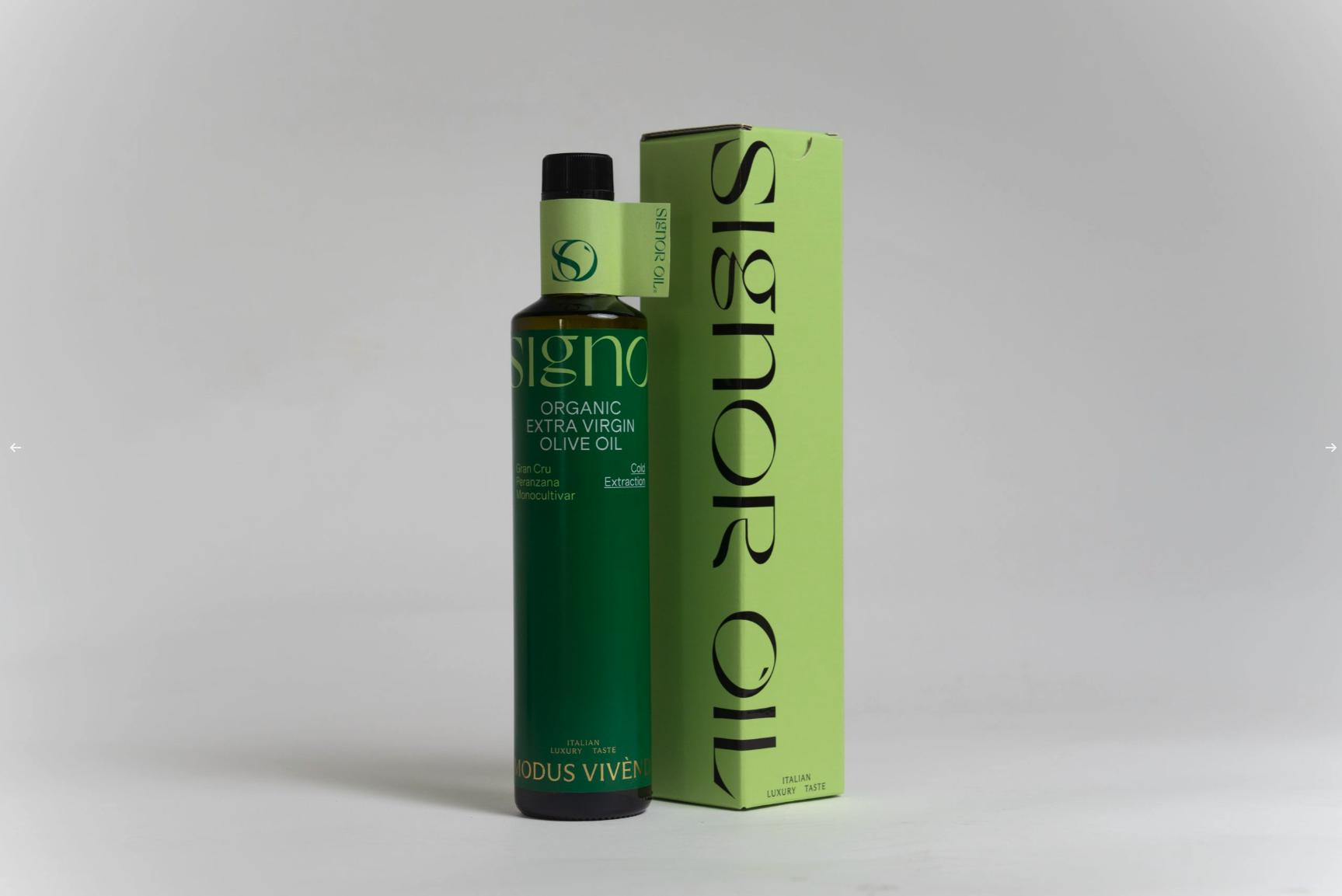
Signor Oil Cold Pressed Olive Oil
A single-origin extra virgin olive oil from Puglia, cold-pressed from Peranzana olives and produced at a scale where quality is still the point. Rich in polyphenols, intense in flavour — the kind of ingredient that makes everything it touches taste like it was made with care (and it was).

Sunday Natural Magnesium Glycinate
Sunday Natural is a supplement Emili trusts precisely because of what isn't in it. No unnecessary additives, just magnesium glycinate in a form the body can actually absorb. She uses it for nervous system support, particularly in the evenings, as part of a deliberate wind-down.
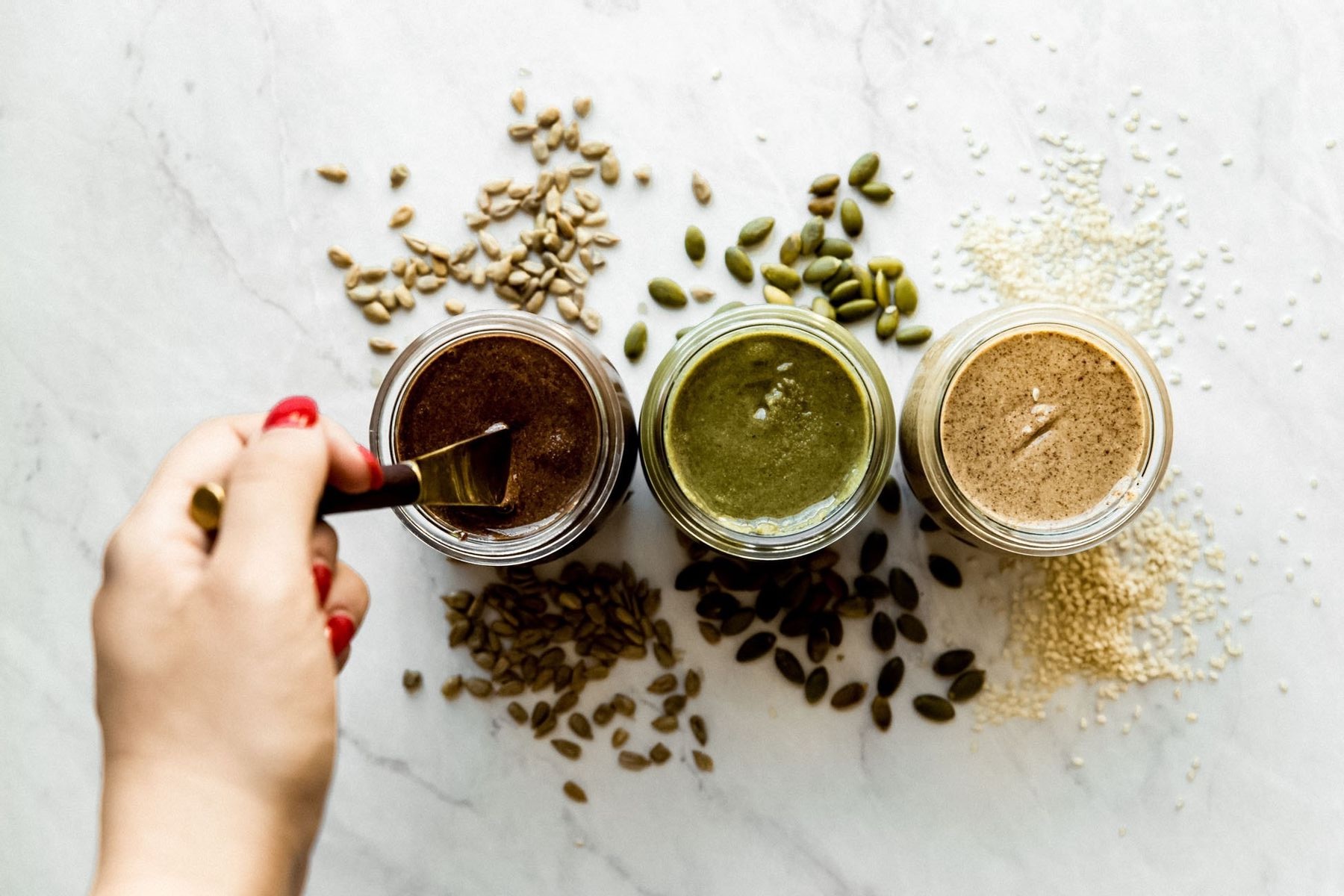
Pit & Pit Nut & Seed Butters
A Belgian nut and seed butter producer doing exactly what Emili asks of any food brand: real ingredients, no extras. The kind of local operation that deserves more shelf space than it gets.
What connects these five things is not a category or a price point. It is an approach. Each one was made by people who cared more about what was inside than what was on the outside. Each one rewards the kind of attention most of us were never taught to pay.
“Brands that exist in my world are just natural and essential. I try not to overcomplicate - not a ten-step skincare routine, not twenty-five things in my fridge. Focus on what has the highest impact for the least effort.'”
The harder question, she says, is not whether these products exist. It is whether they get found. The reality of today's market is that building something of genuine quality, produced sustainably, on a smaller scale - it costs more. And the brands that invest in the product rather than the marketing rarely have the resources to compete for visibility against those who invest in the opposite.
This is the structural problem that Emili cares about beyond her own choices. Smaller brands, female-founded brands, local brands — they are less likely to surface through the usual channels. They need people who genuinely believe in them to say so, and they need platforms willing to look past follower counts to find them.
“In a world where people are overexposed to brands of all sorts, if I share something – it's very organic. So far I only work with brands I'm already using when they reach out, or brands that reach out and I'm genuinely impressed by the quality and the story.”
That discipline is rare. It is also, I think, exactly what a tastemaker actually is: not someone who follows what is popular, but someone whose choices are trustworthy enough that paying attention to them saves you time.
We end where Emili always seems to return: to the basics. When you know what you actually need, the choices get easier, not fewer. The pantry gets more intentional. The skincare shelf gets more considered. And from that, she says, something steadier than any trend emerges: a life that actually feels like yours.
'A good life to me is a life where I feel at peace, with my body, with myself. A life of fulfillment. And taking pleasure in the little things.'
It sounds almost modest. But choosing with that kind of intention, for yourself, on your own terms — is harder than it looks.