
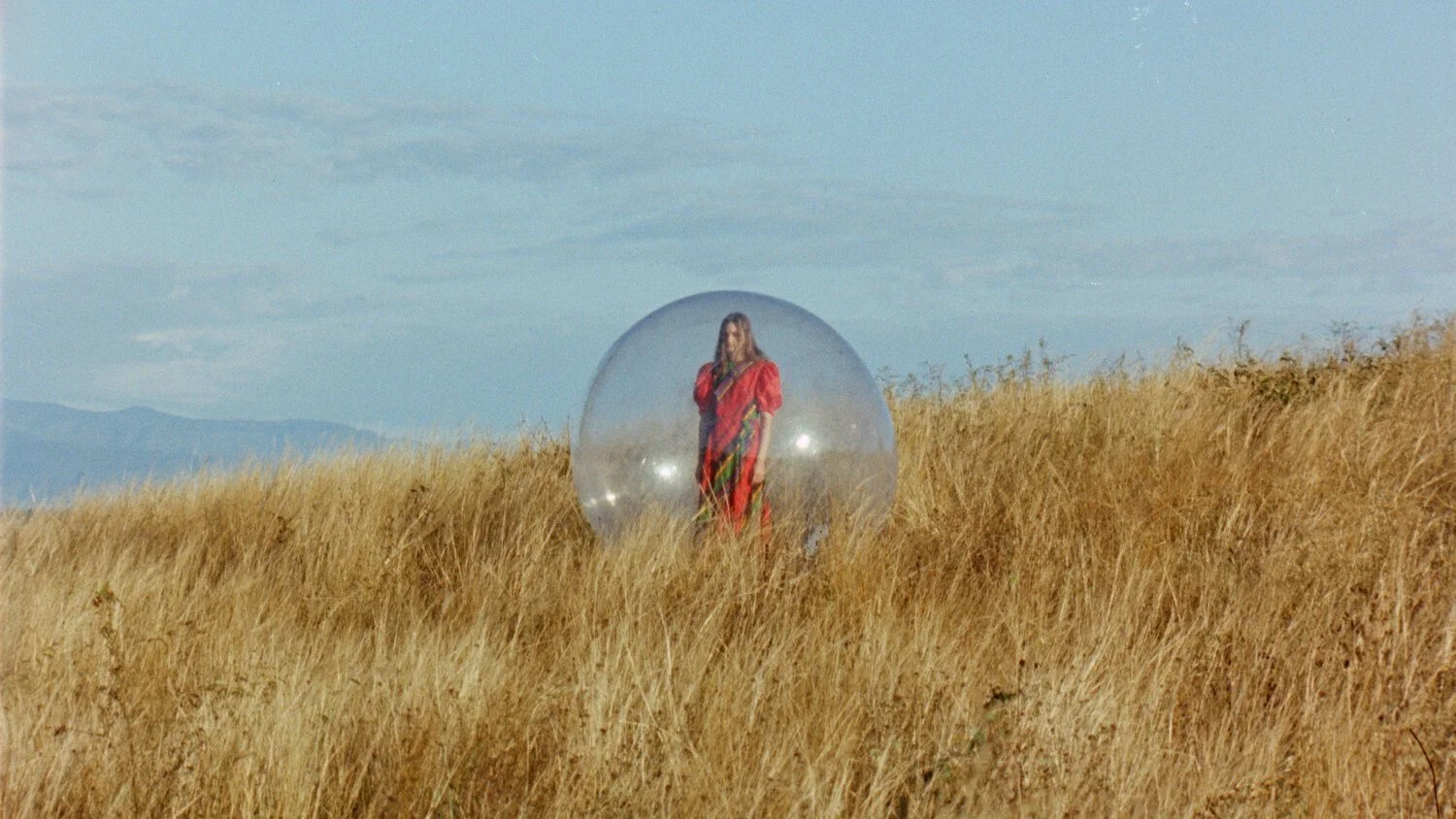

Time to get out of the sustainabubble
Fashion can never be truly sustainable.
Not in the way the word is often used, like a stamp you can place on a product and move on with your day. Not in a world where supply chains stretch across oceans, where trend cycles move faster than seasons, where the default setting is “more, newer, now.”
And yet, I’m not here to be cynical. I’m here because I’ve seen something else, too: more brands taking responsibility for what they make, how they make it, and what their choices cause downstream. That matters. It’s real. It’s happening. But it’s not working in the way we hoped, yet.
The Problem
If you’ve spent time in sustainable fashion, you’ll recognize the atmosphere. It’s earnest. It’s informed. It’s full of good intent. It’s also, often, sealed off from the way most people actually buy clothes.
Many founders treat sustainability as a USP. A differentiator. The thing that should make people choose them. And outside of the sustainabubble, it rarely does. Not consistently. Not at scale. Not in the way a brand needs to survive. I know this because I’ve been deep inside it, and still am for a big part.
When you live with the long-term problems in your bloodstream, it becomes hard to imagine how abstract they feel to someone else. It becomes hard to remember that most people are not waking up thinking about emissions, labor standards, chemical inputs, or landfill. They’re thinking about how they want to feel. How they want to look. Whether the fit is right. Whether the piece will hold up. Whether it will become theirs.
When I started The Fabric Connector, we communicated a lot about preventing waste and making impact. We led with the “doing good.” Even though the fabrics were high-end, beautiful, suitable for luxury brands. And surprise, surprise: people don’t buy “waste.” They buy quality. Craft. Character. Convenience. A sense of rightness. Sustainability language often misses this. It can be technical. Moralistic. Heavy with effort. Like homework.And there’s another, quieter tragedy I’ve seen too many times. Brands with truly thoughtful circular production, real frontrunners, making the hard choices inside the supply chain, while the product itself… doesn’t land. Another average-fit t-shirt. Another hoodie that’s almost right. Another tote bag, drifting into a world already full of tote bags.
These might be made more responsibly. But if they don’t sell, they become waste anyway. And if they sell but don’t get worn, they become a different kind of waste: the expensive kind, the kind that sits in a wardrobe and slowly loses its chance.
The Missing Factor
Here is the reframe that changed everything for me.
Most of our decisions happen on day one, but the value reveals itself on day one hundred. We buy a piece in a bright moment, under good lighting, in a quick scroll, in a fitting room, in a rush. But what matters is what happens after. The wash cycles. The repeated wears. The softening of fabric. The way a collar holds shape. The way a garment keeps meeting you in real life, not in marketing.
If we could look ahead three, five, ten years, the whole landscape shifts. Not as a moral exercise. As a design exercise. A life exercise. Time turns sustainability from a claim into a test. And it changes what we reward.
For Brands
Stop treating certifications and CO2 metrics as the main story. They’re important. They’re part of the baseline. But they are rarely the reason someone loves a garment enough to keep it. Instead, invest in craftsmanship and a strong design language, so your product has both functional durability and emotional durability.
Functional durability is simple: it survives wear and time.
Emotional durability is quieter: it stays relevant to someone’s life, their taste, their identity.
It continues to feel like “them” even after the first thrill fades. And yes, all of this should happen with respect for people and planet. That is not the headline. That is the minimum.
For Consumers
When you buy something, you can ask a different set of questions. Practical ones. Almost boring, in the best way.
- How often will I wear this?
- Will the quality endure the cycles of wear and wash?
- Does it have resale value once I’m done with it?
Not because resale is the point, but because resale is proof. A signal that the piece holds value beyond the first owner, beyond the first season, beyond the first story. This is what sustainability should have been about all along: use. Impact per wear. Responsibility shared between maker and wearer.
It prevents the thin “organic” t-shirt that breaks quickly and creates more waste through fragility. It also keeps us honest about function, because sometimes the least “pure” material choice can outperform the more virtuous one if it genuinely extends the life and usefulness of the garment.
Still, we need boundaries. Bare minimum standards. No virgin polyester as a default. No harmful chemicals. No bad labor conditions. These are not optional. But the real lever, the one people can feel, is time.
Introducing Timeworthy Design
Design that earns its place in a person’s life by delivering high functional and emotional value over many uses, staying relevant for its purpose over time, and being made with respect for people and planet.
It’s a simple idea with a slightly inconvenient implication:
If a piece doesn’t get worn, it doesn’t matter how good the story is.
And if a piece becomes someone’s default, their go-to, their “I always reach for this,” the impact math changes. The relationship changes. The culture changes.
Think of it as a living archive of timeworthy design. I’ll share deep dives, expert notes, and wear stories that make long-term value easier to spot, without needing a dictionary of sustainability jargon.
I’ll also keep it grounded.
One brand that nails timeworthiness for me is Applied Art Forms. True craftsmanship, and designs rooted in workwear that has existed for centuries for a reason. I own a shirt from them that keeps earning its place, season after season, not because it’s trendy, but because it’s right.
And one of my most timeworthy items isn’t even “mine” in the normal way. It’s a bomber jacket from Won Hundred that used to be my dad’s. I wear it almost every day. It’s functional. It’s familiar. It feels like a small shelter.
That’s the point. Timeworthy pieces don’t just reduce harm. They build attachment. They make fewer things feel like enough.
An Antidote & Invitation
This is my antidote to disposable-by-design culture, and my attempt to bring sustainability out of the sustainabubble and into the place where decisions actually get made: taste, trust, and daily life.
If you’ve ever felt the gap between what you believe and what you buy… If you’ve ever wanted a way to choose fewer, better pieces without needing to become an expert…
If you’re curious what fashion looks like when time is the main dimension… I’m optimistic. Not because everything is fine, but because we can shift what we reward. And when we reward what lasts, the future gets brighter. Then you’re in the right place.