
Antwerp Fashion Festival 2026: The designers with the top stand out performances
Antwerp is a special place to those of us who follow the craft and artistry of garment production. Antwerp's relationship with cloth goes back further than its fashion reputation. In the fifteenth and sixteenth centuries the city was the commercial capital of Europe, and textiles were at the centre of that economy. Flemish wool and linen, Bruges silk, Spanish merino: it all moved through Antwerp's port and its trading houses. The city's weavers and dyers were among the most technically advanced in the world, supplying fabric to courts across the continent. That tradition did not disappear when the Golden Age ended. It went underground, into the workshops and the academies, resurfacing four centuries later when six graduates of the Royal Academy of Fine Arts walked into a London trade fair in 1986 and changed the way the world understood what European fashion could be. The Antwerp Six were not an accident. They were the product of a city that had always known how to work with its hands and had never entirely forgotten it.
The team attended The Antwerp Fashion Festival back in June. For the first time in nearly two decades, it ran across 85 unique locations throughout the city. Organised by Flanders District of Creativity in partnership with the City of Antwerp and MoMu, the festival was deliberately not a fashion week. It was something closer to a citywide exhibition: shows, installations, window displays, talks, and events spread across churches, museums, former trading halls, concept stores, and private maisons.
The programme ranged from Walter Van Beirendonck's 40-year anniversary show in a derelict Boerentoren to intimate presentations by emerging graduates, from the Royal Academy student show at the Waagnatie to living dye workshops and community-led circular fashion initiatives. The ambition was to present the full picture of contemporary Belgian fashion, not just its most established names, and to do it in a way that was open to the city's residents as much as to industry visitors. What they found was a city that had not lost its conviction; that viewing in person the creativity, material and design of garment production, these pieces made passionately and shown honestly, is something worth travelling for.
Jan Jan Van Essche
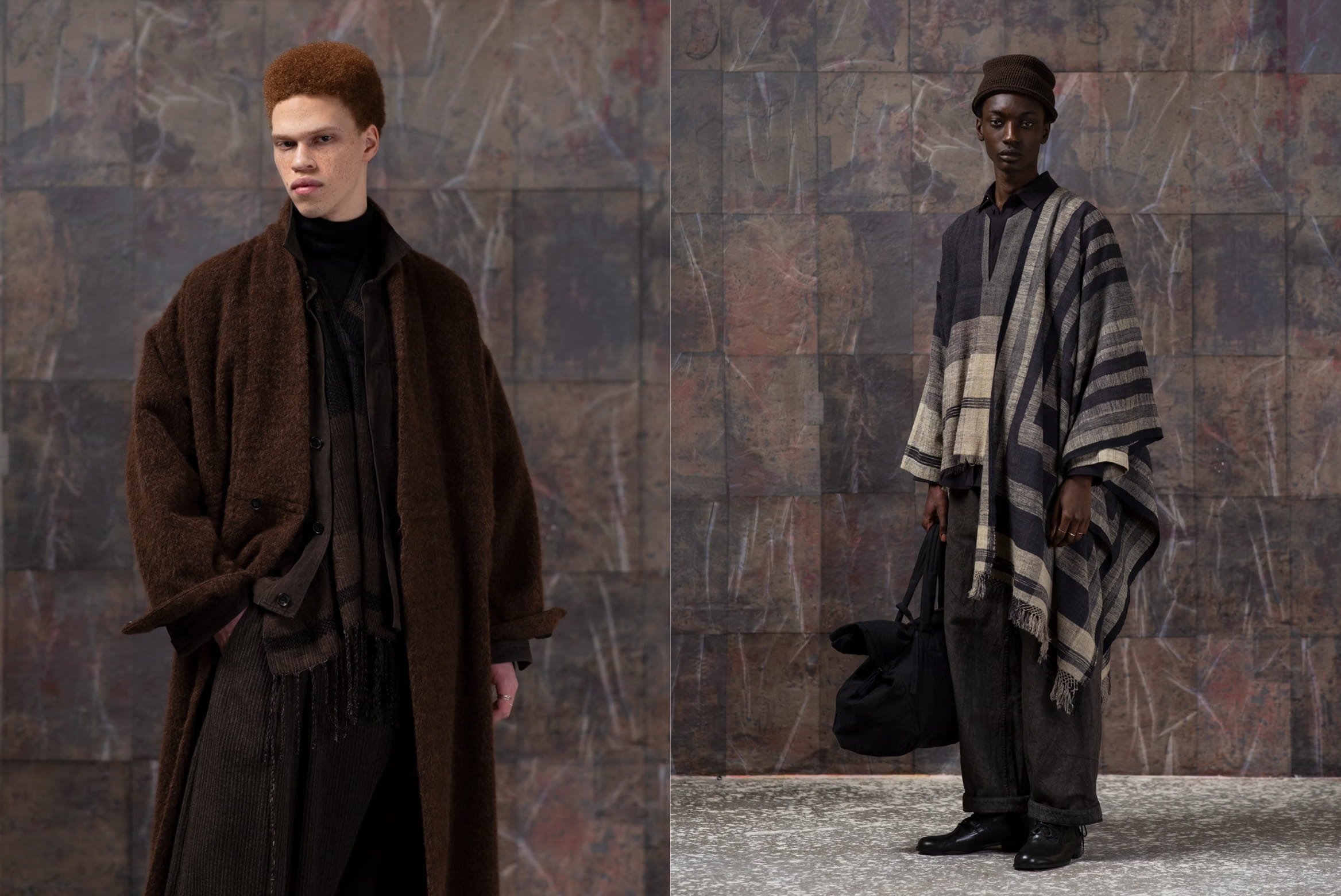
Presented at the Muziekmuseum Vleeshuis under the title SOIL: Carried by Currents, Jan Jan Van Essche showed a body of work rooted in earth, movement, and the quiet authority of natural material. His practice has always been about clothing as something closer to shelter than fashion. The Vleeshuis, a medieval meat hall turned music museum, was the right room for it. Old stone, ancient craft, a designer who has never been in a hurry to follow the pace of trend. “Heritage and stories interwoven with the stories of each material, where mineral tones.
Walter van Bierendonck
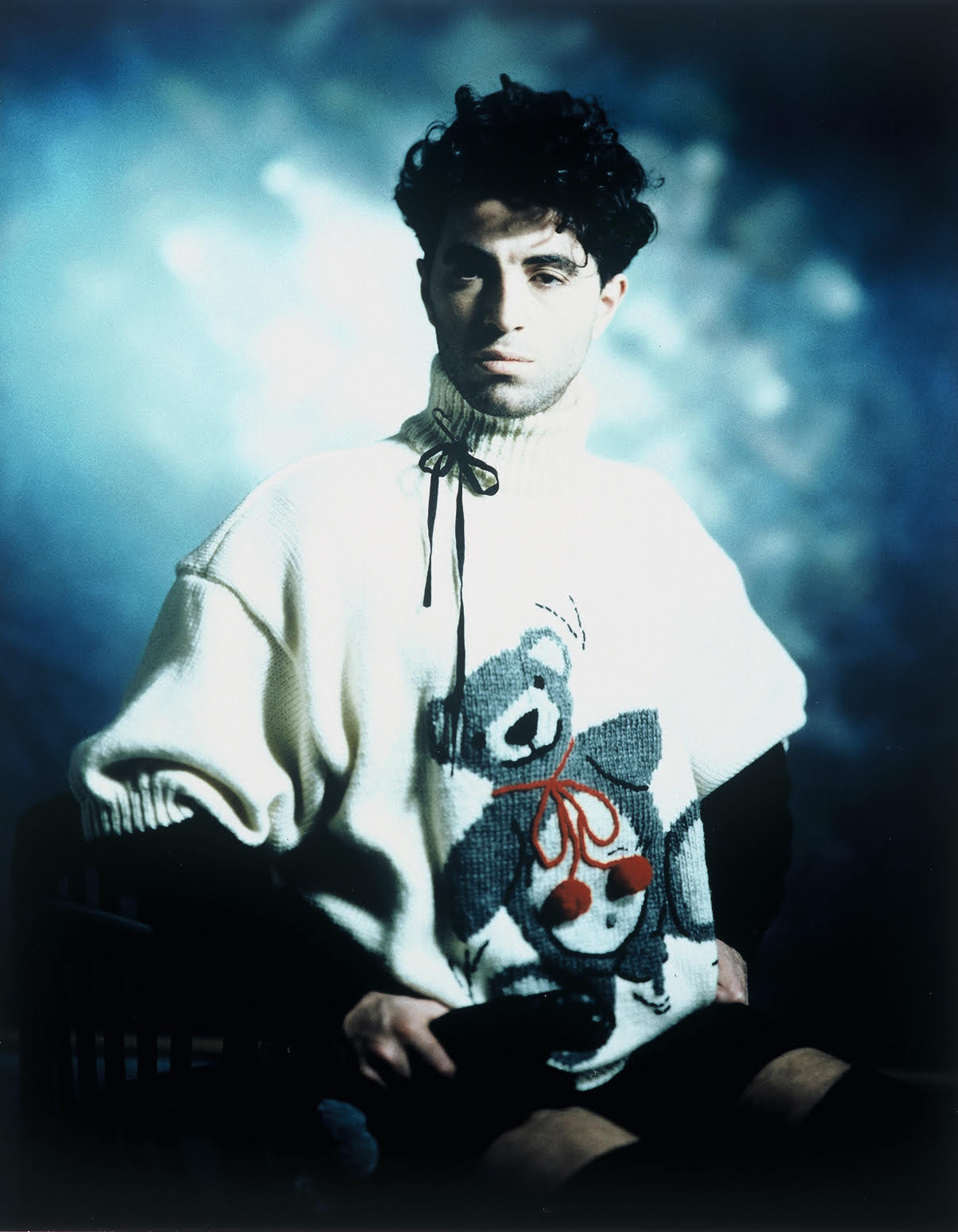
His 40-year anniversary show, staged on the seventh floor of a gutted Boerentoren on the opening night, was everything his practice has always been: exuberant, political, deeply felt, and impossible to ignore. Forty years of work moved across a grey concrete floor, from protest knitwear of the mid-eighties to full-body floral knits from the current season. Ann Demeulemeester sat in the front row, visibly moved from this special moment. Van Beirendonck himself was everywhere across the four days, in conversation with visitors, present at other stops, celebrating the work of others as generously as his own. His show notes closed with the line: a whole life can be spent dreaming the world awake.
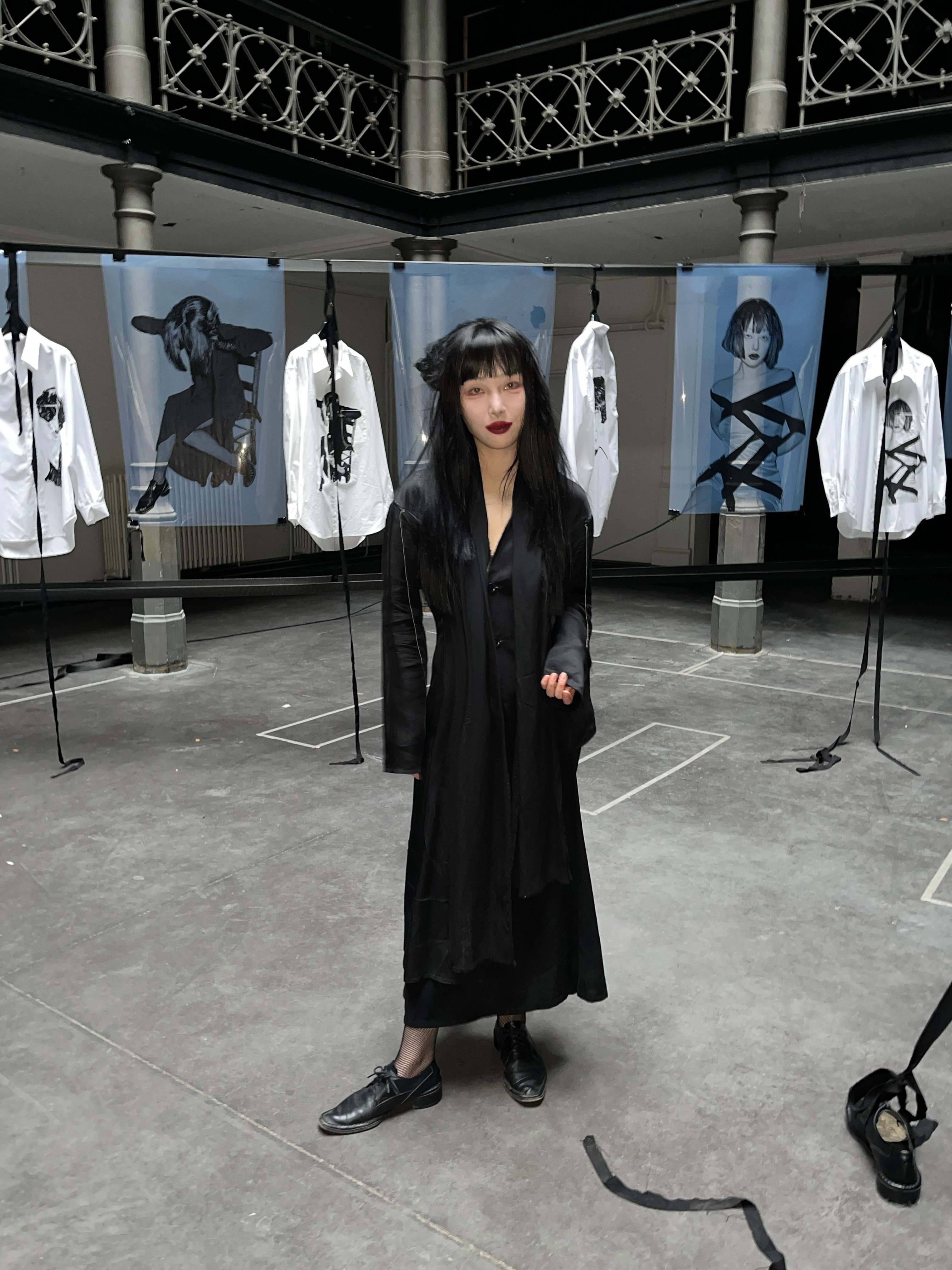
Kié Einzelgänger
Kié Einzelgänger presented Evidence at the Warenmuseum, while a collaboration with Wildside Yohji Yamamoto ran concurrently at Labels Inc. The pairing says something about where the work sits: cultish, precise, and trusted by people with a particular kind of taste. Einzelgänger means lone wolf in German. The name continues to prove itself as incredibly accurate.
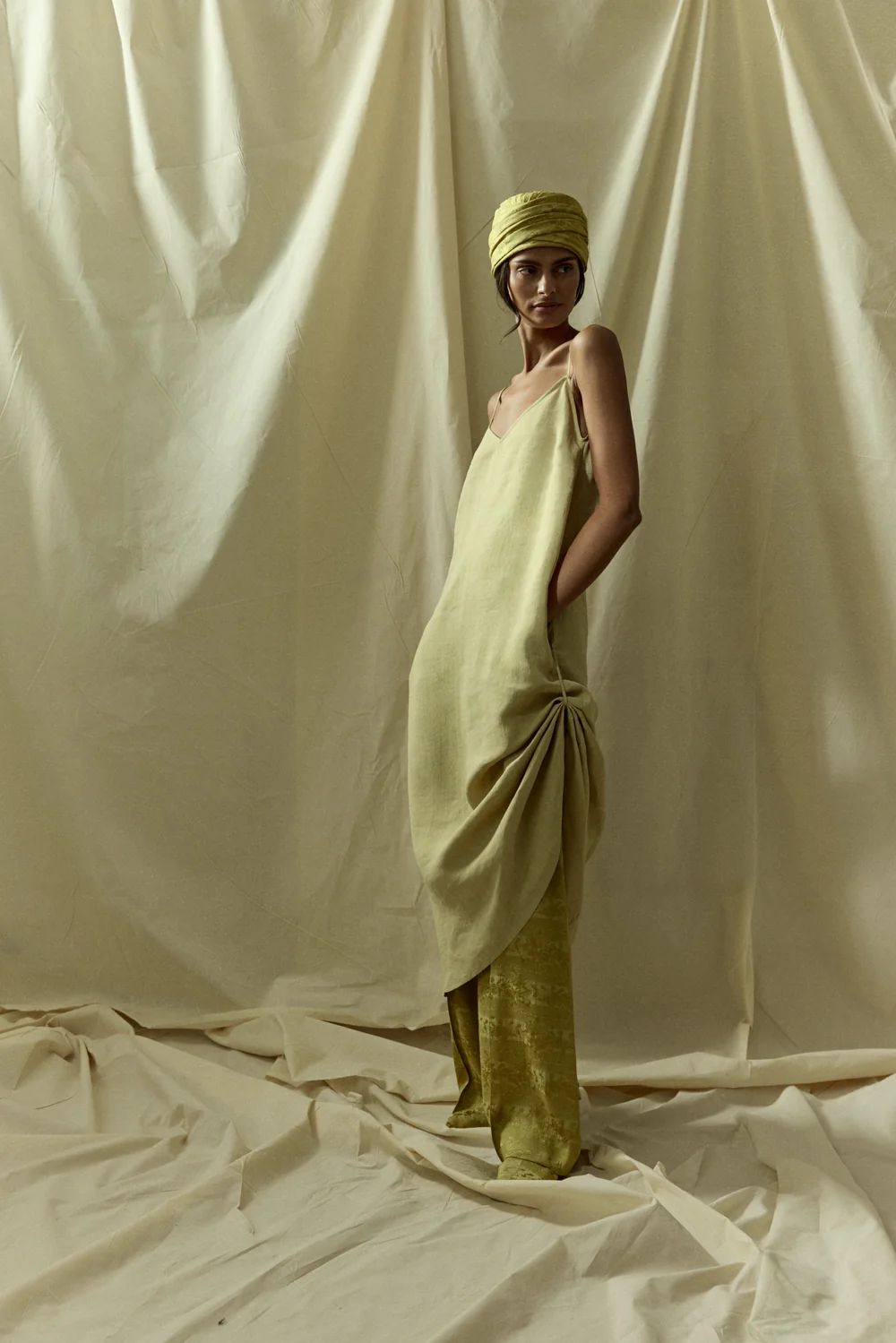
La Collection
La Collection opened The Art of Creation at their maison on Sint-Jorispoort across two days, an installation rather than a show, which is the right format for what they do. Walking into La Collection has always felt less like entering a shop and more like entering a considered position on how objects and garments can both have an incredible attnetion to detail and refinement.
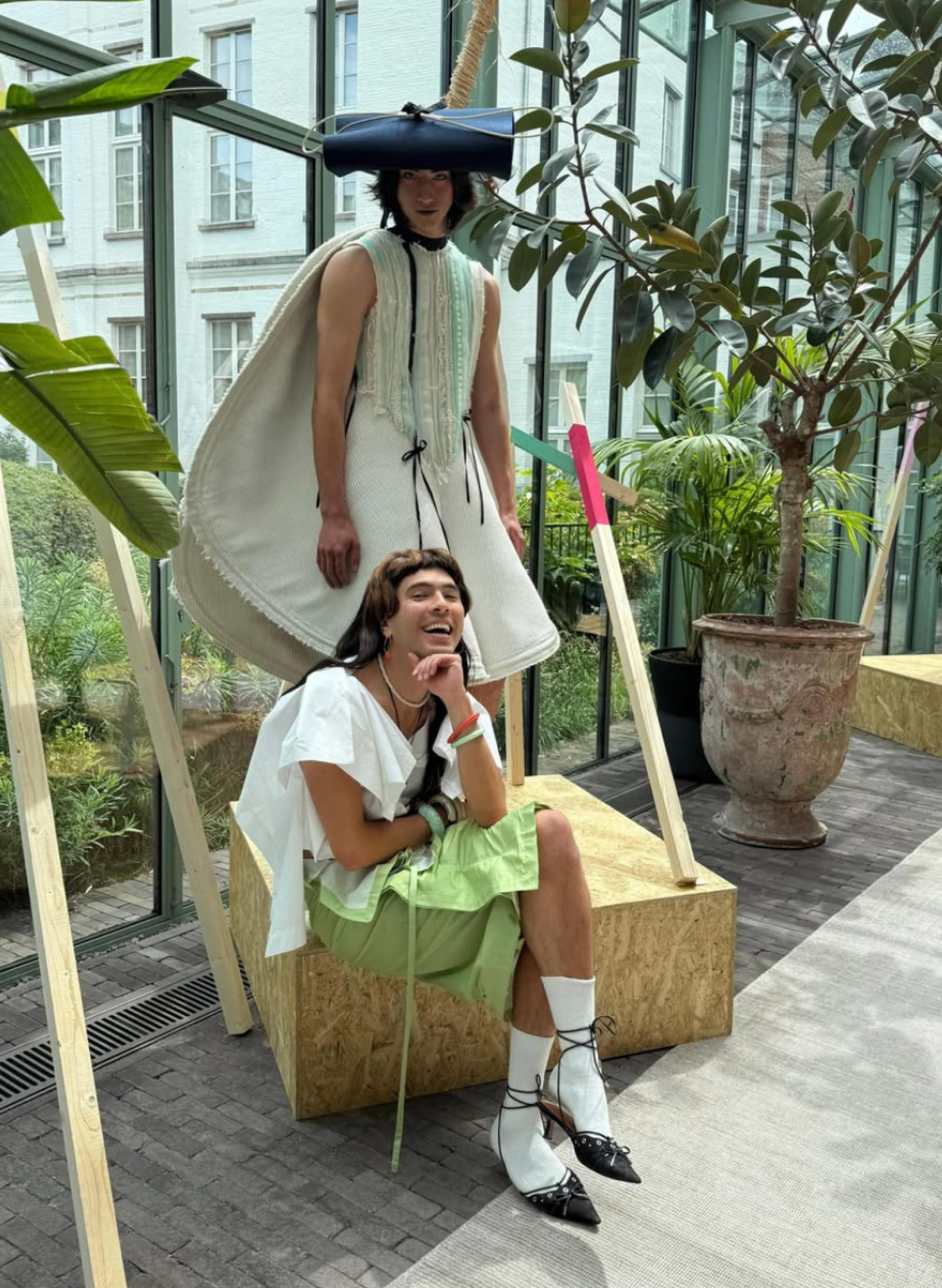
Brandon Wen
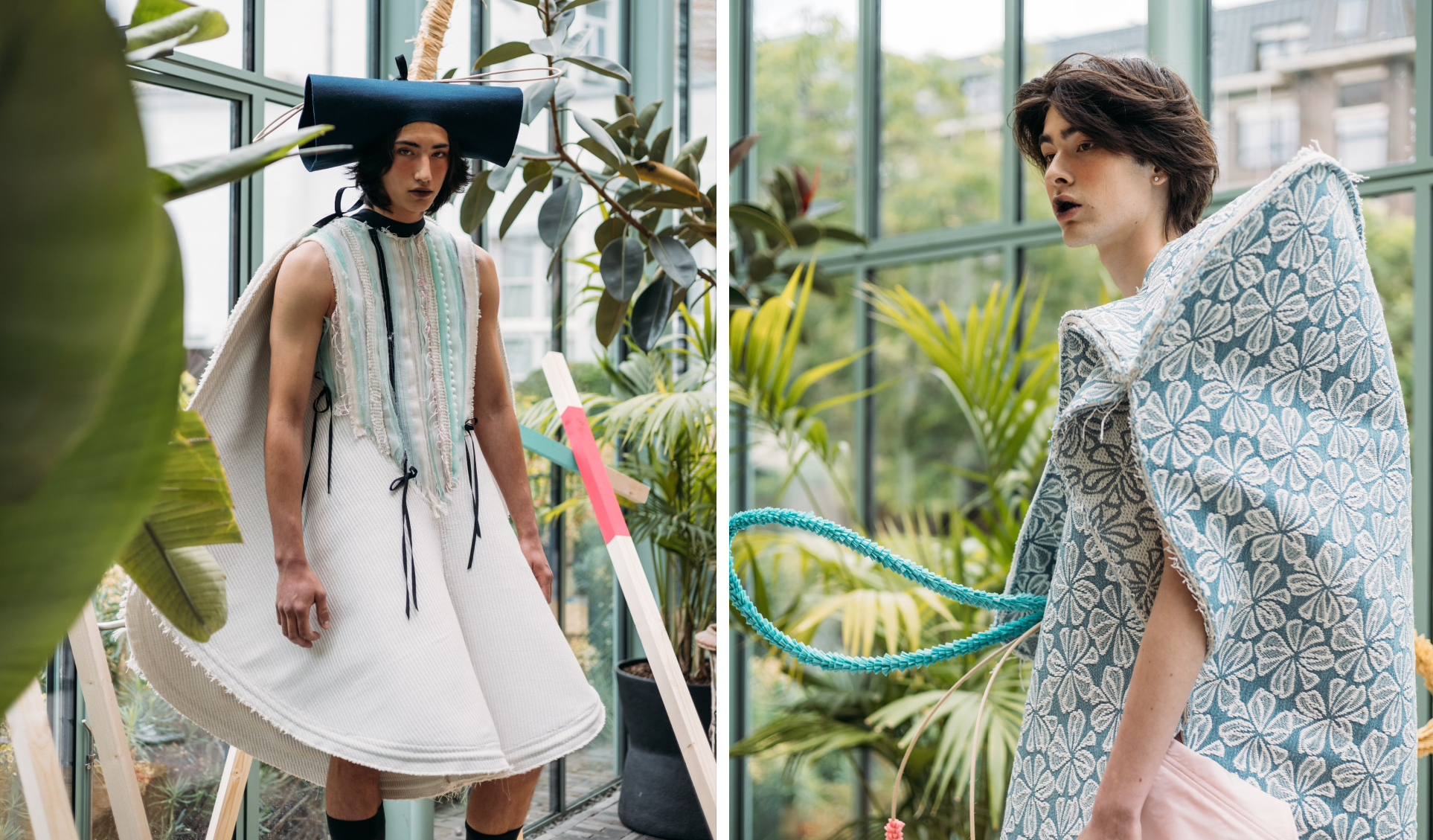
Brandon Wen showed at the Botanic Sanctuary across three days, one of the festival's more atmospheric venues: The Botanic Sanctuary – a nineteenth-century green house in the city centre, all iron and glass and light. His work, which moves between clothing and installation, needed that kind of space. ‘All Things Equal’ was the debut collection of Brandon. As Artistic Director of the Fashion Department of the Royal Academy of Fine Arts, the collection continues his work and vision of creativity, personal vision and disruption. The presentation showed the collection as installation and showroom where the show pieces were translated into wearable garments, showcasing an accessibility and the commerical viability.
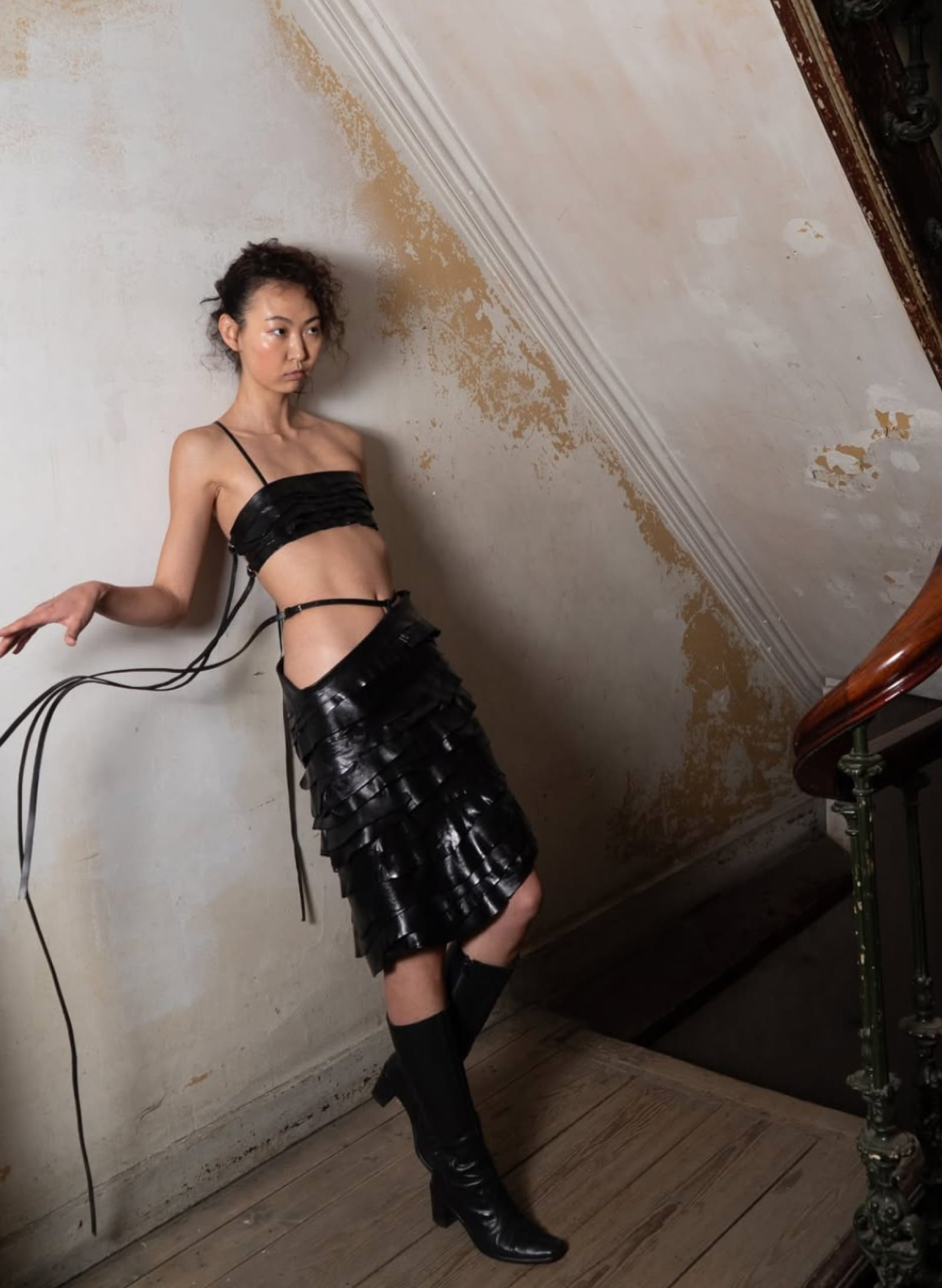
Marie Bernadette Woehrl
Marie Bernadette Woehrl presented both an installation at Ercola on Wolstraat and a show on the second day of the festival. Her work sits in the territory between garment and object, between body and material memory. The Ercola space, small and specific, suited it well.
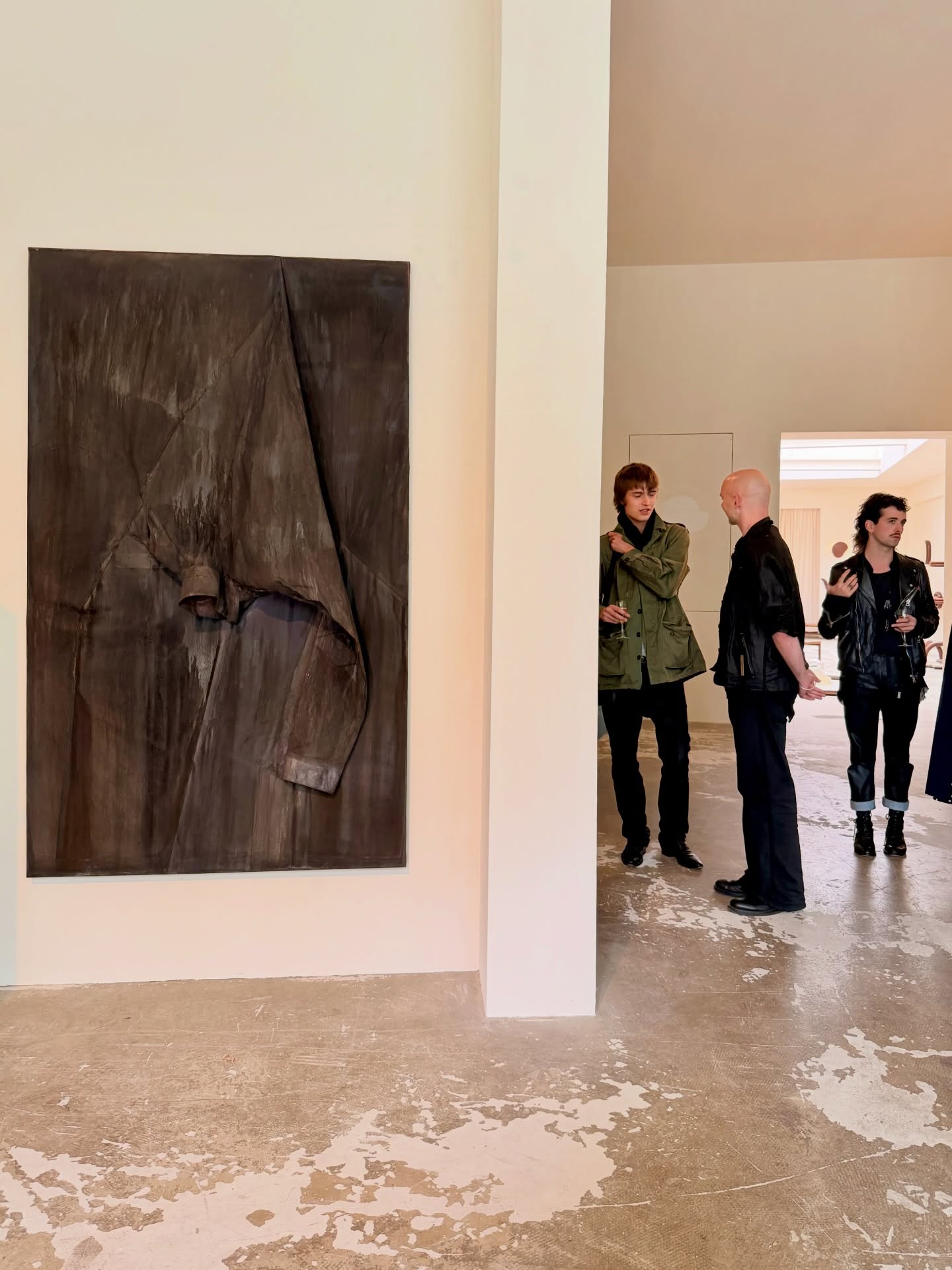
Cédric Jacquemyn
Cédric Jacquemyn installed E/Motion of a Garment at St. Vincents on Kleine Markt for the full four days of the festival. His practice has always been interested in what a garment does to a body in motion, how fabric holds tension, releases it, responds. The title here was not decoration. It was a working description of the question the work is asking.
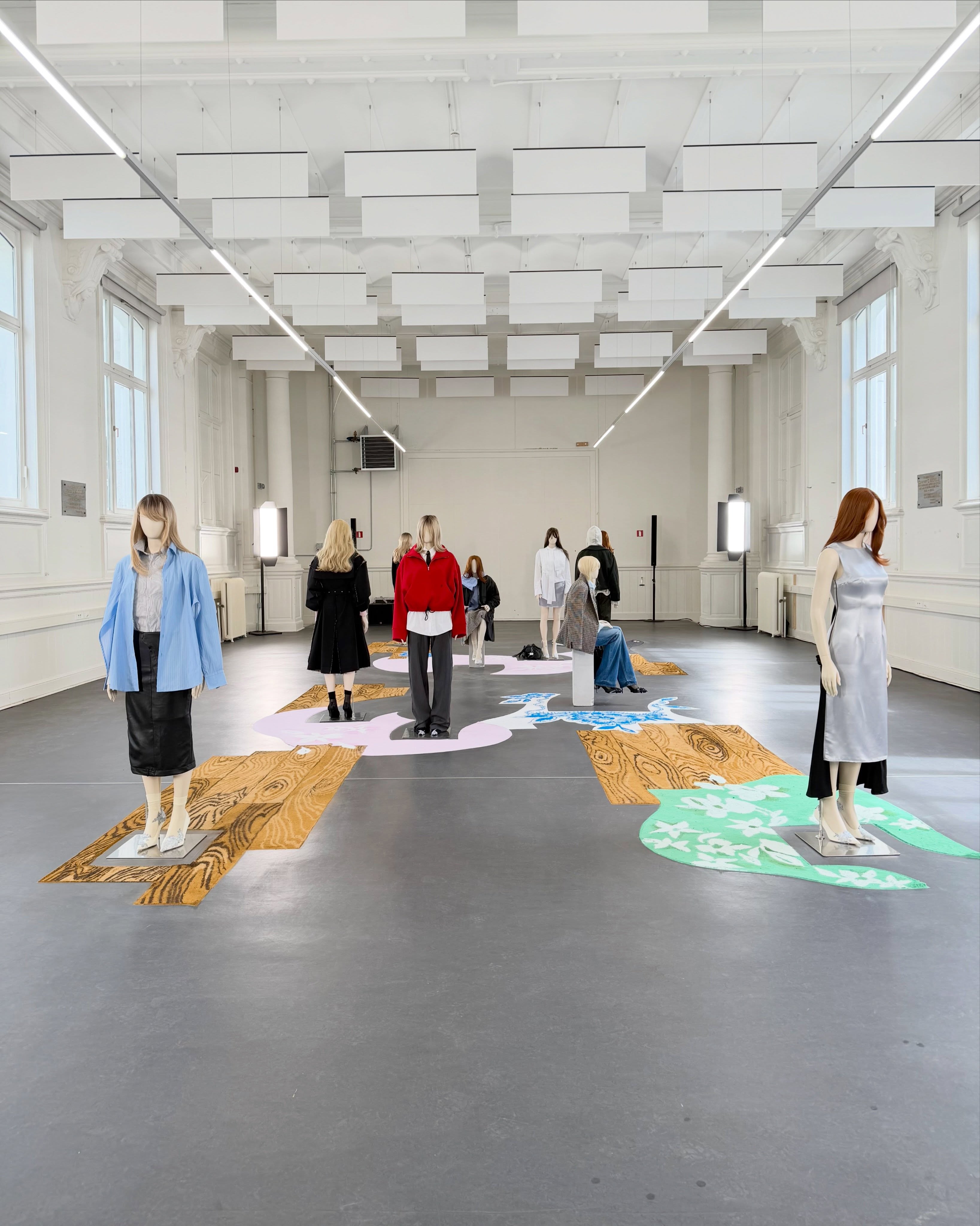
Façon Jacmin
Façon Jacmin collaborated with artist Nel Maertens for both an installation and a presentation at the Hoger Handelsinstituut on Schildersstraat. The building, a former trade school, gave the work an institutional weight that suited it. Jacmin's tailoring is always precise and slightly unresolved in the best way, as if the garment is still thinking about what it wants to be.
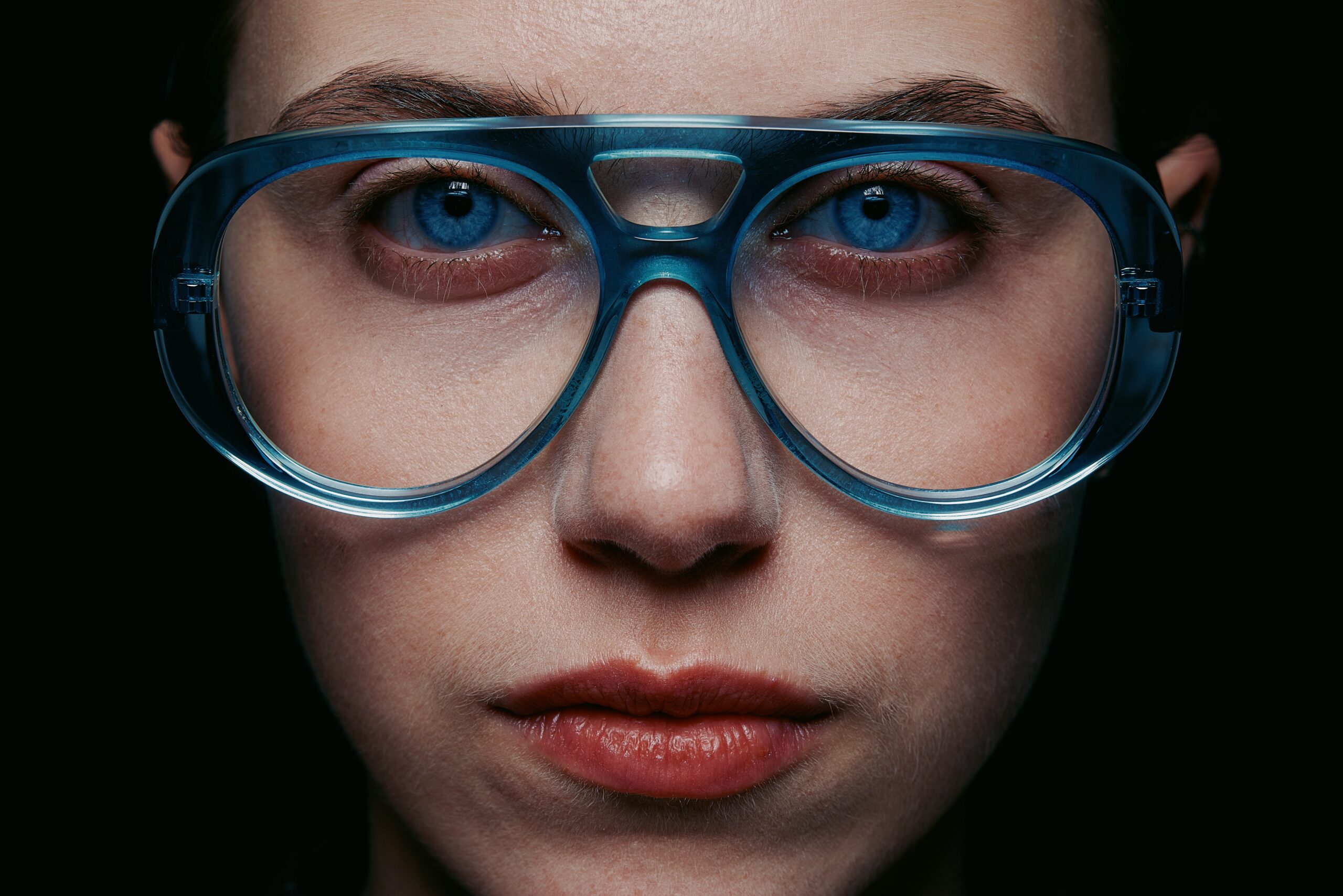
Binôche
Binôche took over their space on Oudaan with Under The Same Sky, a window installation running the full festival and an after-hours event on the opening night. The brand has built something rare in Antwerp: a retail space that feels like a cultural proposition. The window was not decoration. It was an argument for how the city should look at itself.
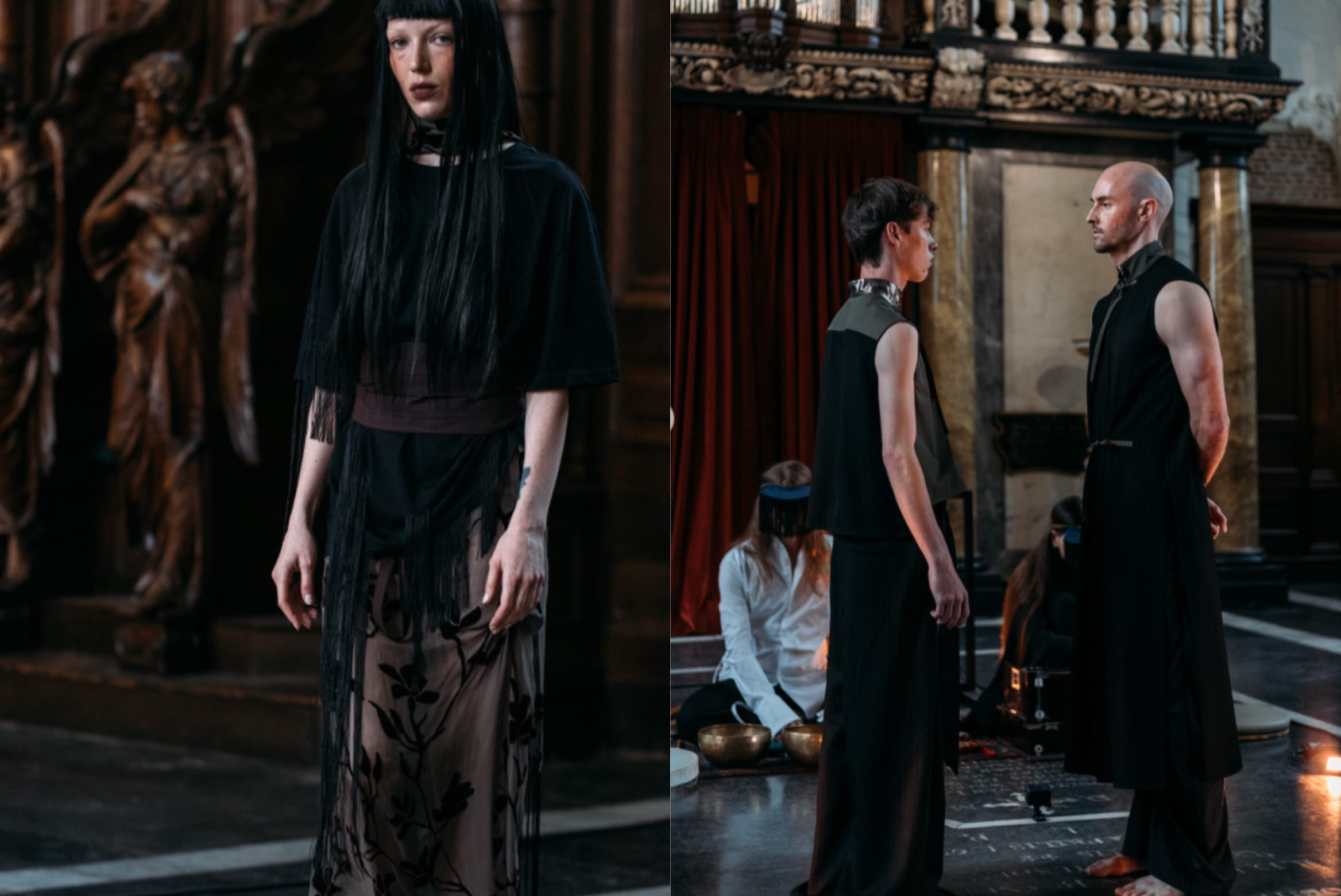
Nadav Perlman
Nadav Perlman showed Memories of a Forgotten Home at the Botanic Sanctuary on the opening day, with a further installation running at SHOOTTHEARTIST across the final three days. The two venues gave the work different registers: the sanctuary intimate and humid, the photography gallery cool and considered. Both suited the material, which is about displacement, memory, and the things that do not survive translation.
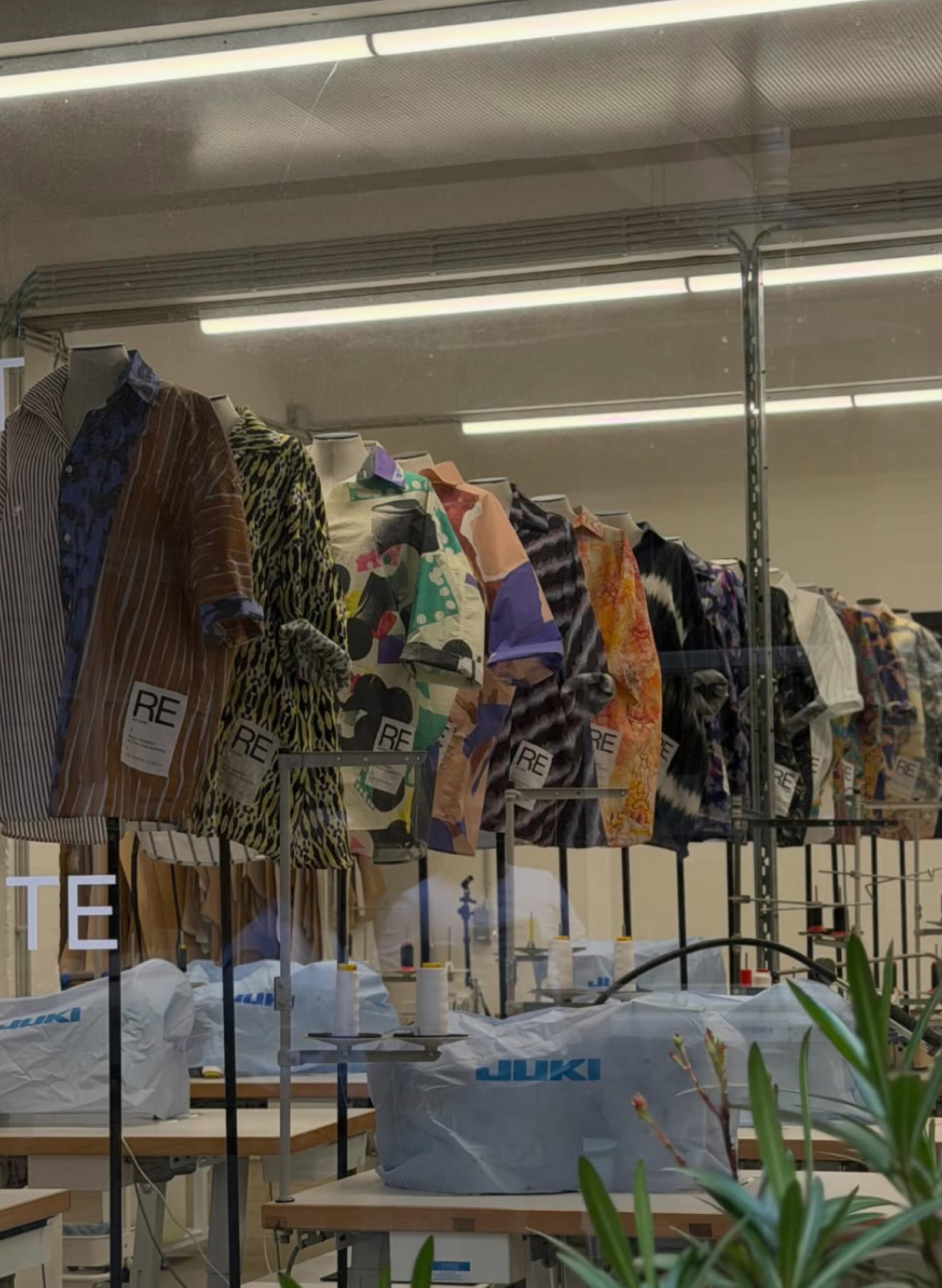
REantwerp
REantwerp presented Faces, Fabrics & Future at their space on Kleine Markt across the full festival. The project sits at the intersection of circular practice and community identity, working with reclaimed materials and the people who bring them in. In a festival full of new work, REantwerp asked a different question: what already exists, and what can it become.
Marcel Sommer
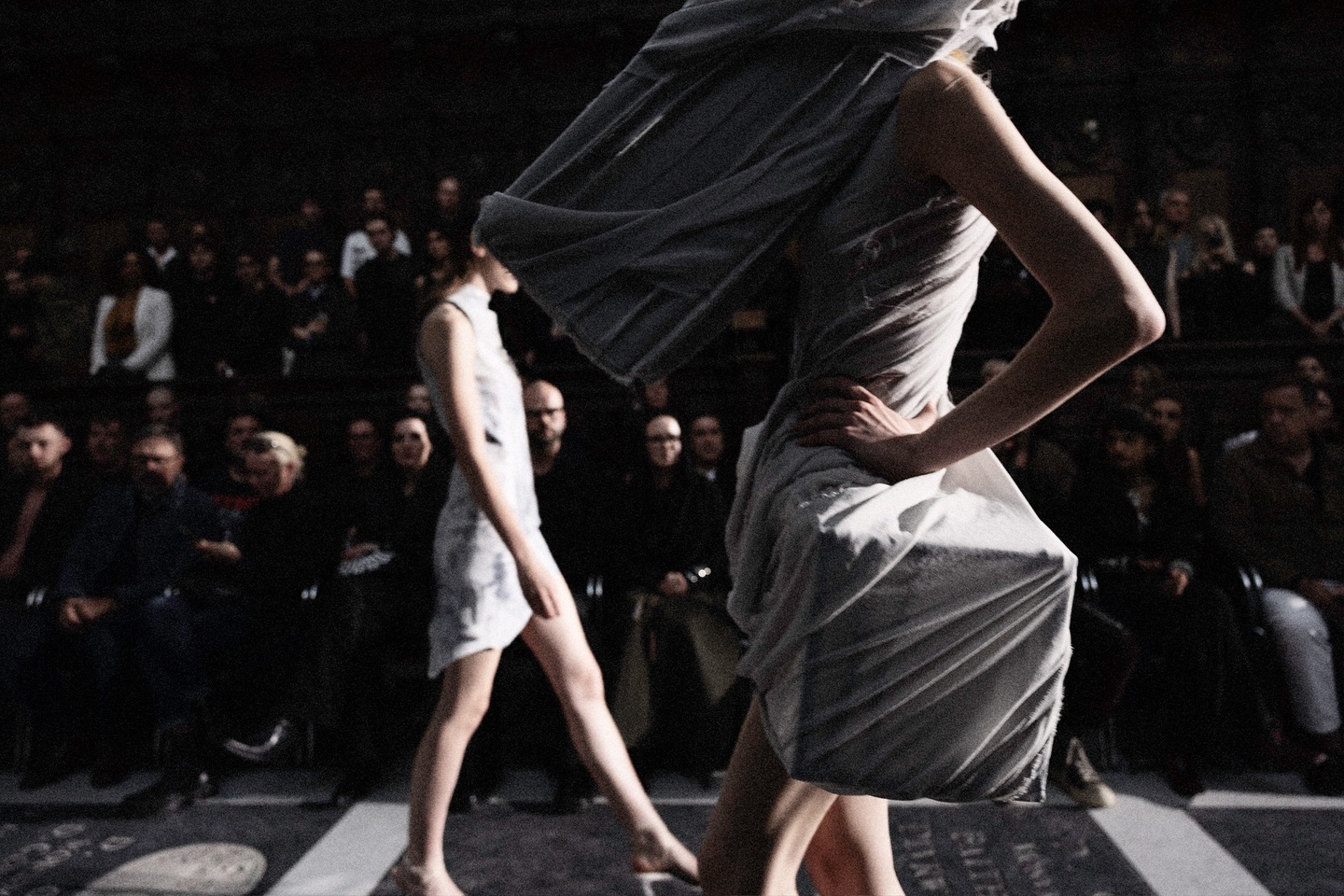
Marcel Sommer's show, mane solis, was invite only on the opening day, with a showroom following across the weekend at Pourbusstraat 14. The title, sun's mane in Latin, pointed toward something mythological and very physical at the same time. Sommer's first collection of work exhibits a similar quality.