RAW: A New Energy Emerges from Eindhoven’s 26 Year of Dutch Design Week
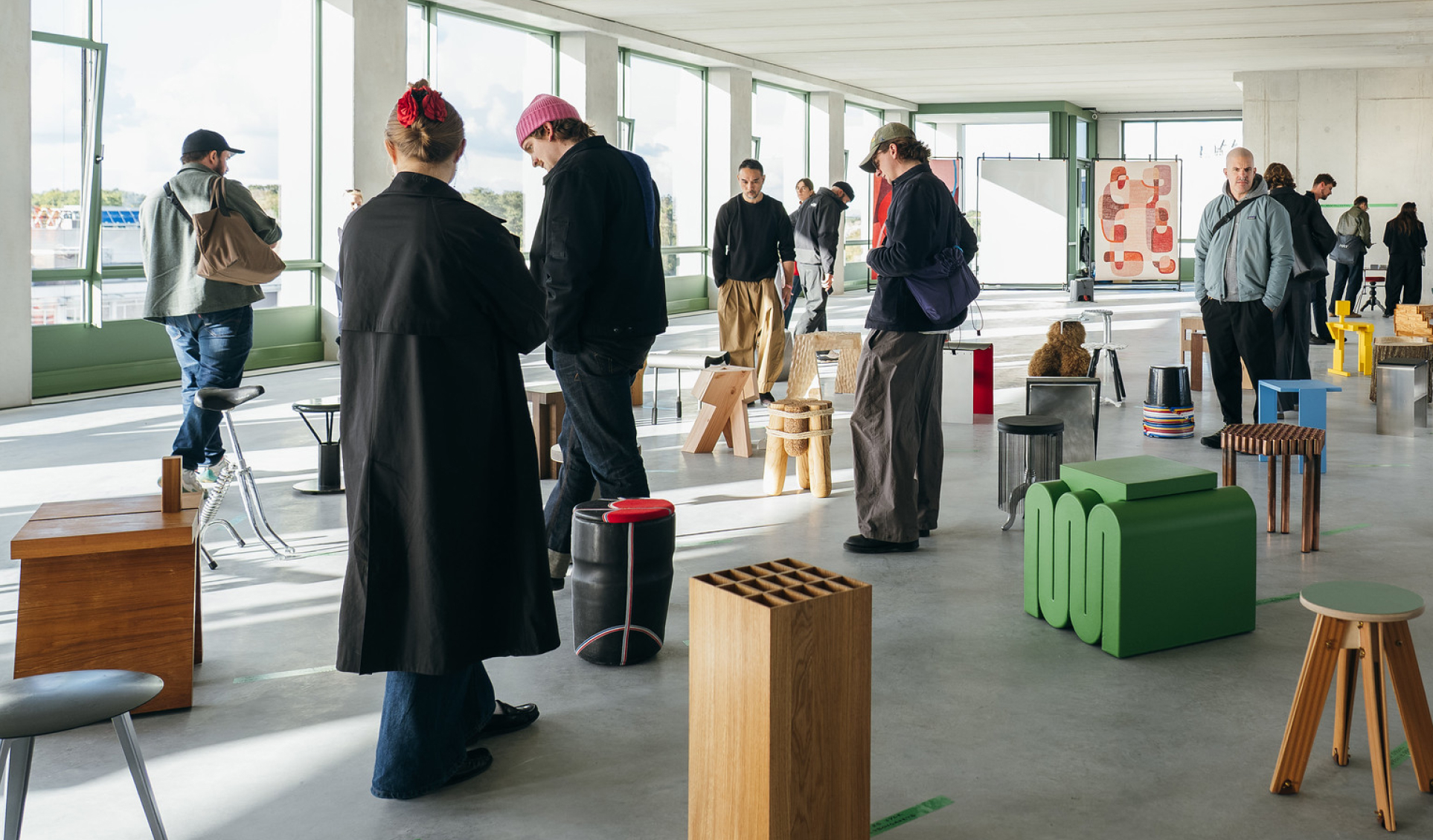
Eindhoven does not try to be performative in the way industry fairs usually do. It leads with honesty, clarity and literally raw talent. After over 2 decades, Dutch Design Week leaned fully into that instinct, which is why it continues to deliver as the best fairs in Netherlands & Europe. By placing a single word at the centre of everything for their theme this year, the curation screamed both unpolished and experimental, which might be exactly what the world needs now. Wandering between factory halls, galleries and pop-up spaces, it’s impossible it seems to see the work of all 2,500+ designers in just nine days. So we didn’t try. Although, we kept returning to the same question: what does it look like when designers stop making more and start making things better in new ways we never seen before.
Rebel. Authentic. Worth.
These are the words which defined this year. In a moment when technology, AI, and visual culture are being relentlessly optimised for polish and perfection, this series of transient spaces were made for the opposite: the unfinished, the investigative, the deliberately unresolved. Bold, daring and incredibly fresh. Of all the work we managed to get a chance to see, this is what stayed with us.
The Metal House — Tweek Eek
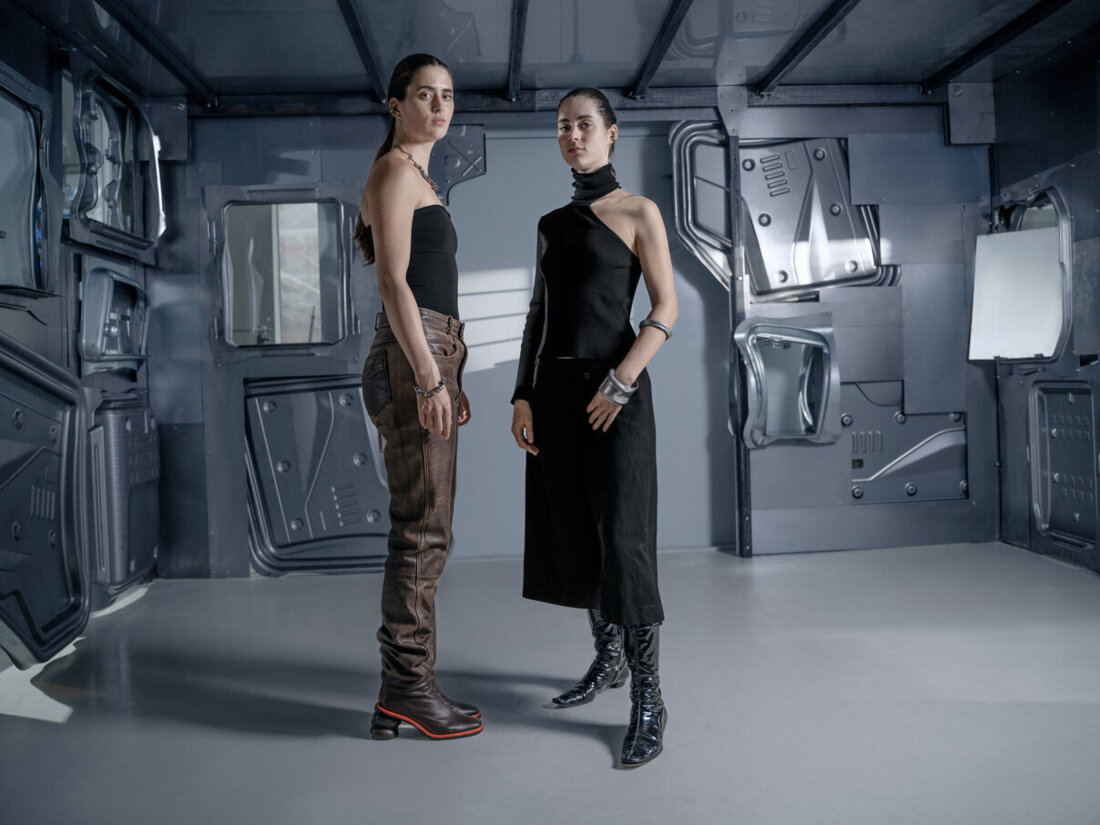
Jewelry label Tweek-Eek, run by twin sisters Roos and Geertje Eek, didn't just show a collection — they built a house for it. The Metal House, at Halvemaanstraat 30, is a life-size home made from industrial surplus supplied by Eindhoven manufacturer VDL Groep. Sheets, pressings and components that once belonged to trucks and production lines now form walls, furniture, lighting and tableware, with pieces by Studio Rens, Sarah Roseman, Choi Baekgi, Teun Zwets and Jim Bob Ruijgrok. Scratches and press marks are left visible, so the building wears its industrial past openly. The jewellery follows the same logic. The new UFO collection is made from industrial metal tubes: sculptural, futuristic, experimental with techniques and coatings, and with a stronger focus on men's jewelry than before. The sisters grew up around the residual-material practice of their father, Piet Hein Eek, and they keep pushing that material exploration further with every collection. What impressed most was how the environment and the jewelry told one story. Walking through the house, the pieces felt less like products on display and more like part of a world.
Everything Moist Seems Alive — MAISON the FAUX & Studio Boris Acket
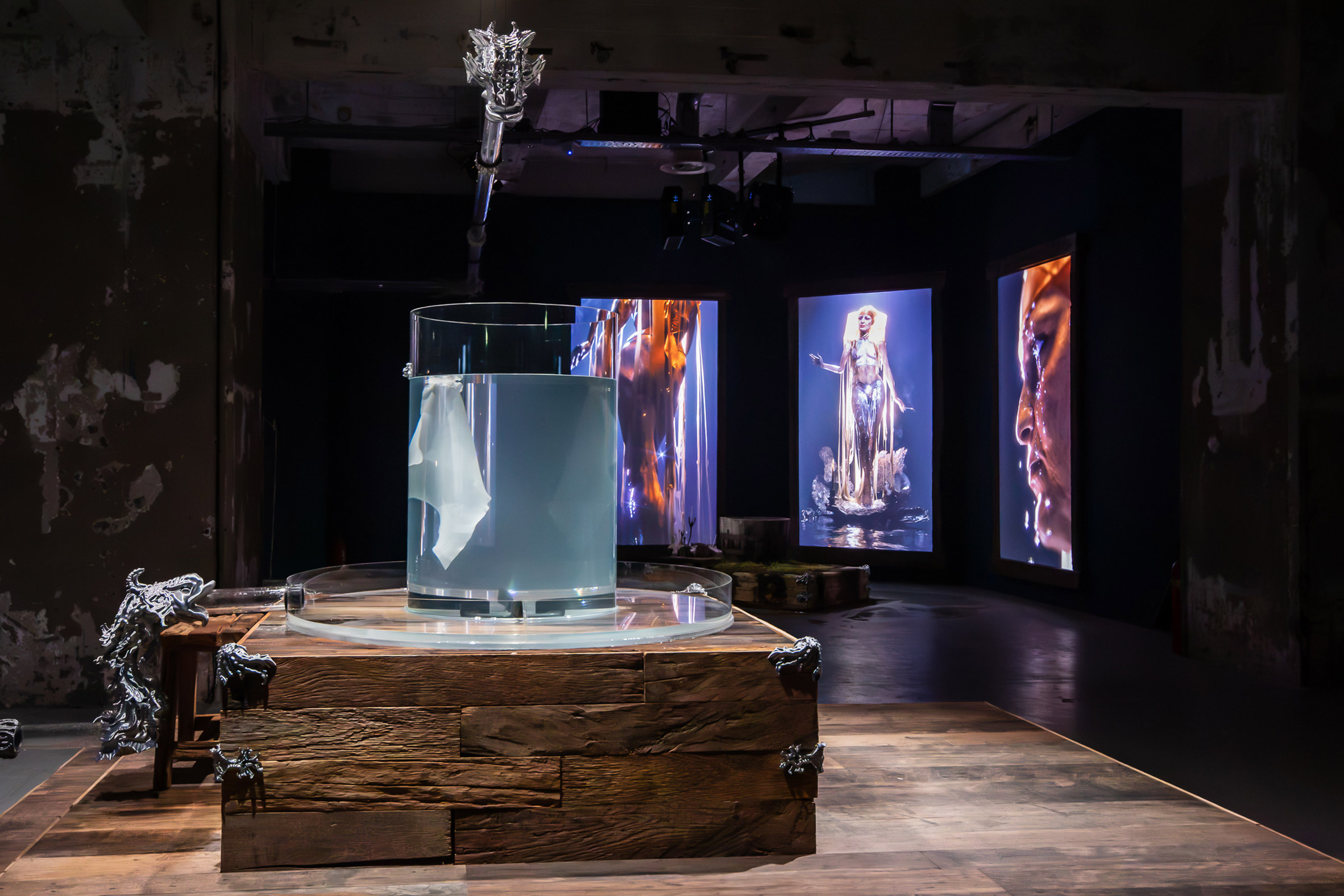
The most unexpected, Everything Moist Seems Alive at MU Hybrid Art House on Strijp-S, delivered an absolute showstopper. A collaboration between fashion duo MAISON the FAUX (Tessa de Boer and Joris Suk), Studio Boris Acket, MU and the Dutch National Opera & Ballet. The piece is a surrealist take on how we have controlled and masculinised water, told from a perspective of female empowerment. Inspired by Astrida Neimanis’s idea of hydrofeminism, it sparks a debate– why do we treat our bodies as sealed, autonomous fortresses? The installation argues the opposite: the body is an open, leaking ecosystem, tied to the planet’s water cycle. Moisture flows through tubes and membranes and pools in wells and waterfalls. Transforming the exhibition into a site of worship, closer to the sacred springs and holy wells of pre-Christian Europe than to a gallery. There, water was a living force to be honoured, not a resource to be managed. This pagan undercurrent reaches a peak in the performance. A three-voice choir sings a libretto by composer Frieda Gustav, and their voices make the water churn, splash and steam. It plays out like a ritual, part incantation and part summoning. Boris Acket’s fabric in water made it even more visual. Details transport you to another time, from 3D-printed parts to the waterways running through the space, to gorgeously crafted handbags brought back from the forrest of the dark ages, every element was considered. It’s rare to see a concept this strange executed with this much precision.

Return to Sender — Buzigahill
Among the most compelling presentations at the Secrid Talent Podium was Buzigahill, the Kampala-based upcycling label founded by Bobby Kolade. Born in Sudan and raised between Kampala and Lagos, Kolade trained in Berlin and worked at Maison Margiela and Balenciaga before returning to Uganda in 2018 to build collections from local cotton. That plan was overwhelmed by a flood of imported second-hand clothing. Buzigahill’s ongoing project, Return to Sender, exposes the lifecycle of the garment after the donation bin. Discarded clothing from the global north is not donated like we think but traded in bales, and much of it reaches markets like Kampala’s Owino with little value left. According to an Oxfam report cited by DDW, more than 70 per cent of collected second-hand clothing ends up in Africa, while Ugandan demand for local cotton has fallen by 95 percent. The label describes this flow as a new form of colonialism. Its answer reverses the direction of that flow. Garments are hand-picked at Owino, then washed, taken apart and re-engineered into new luxury pieces, each with a passport label tracing its provenance, and sold back to the global north. Waste becomes material, and the market that created the surplus becomes the one that buys it back. Since 2022, the model has produced 13 collections, found stockists among leading Japanese retailers and reached the runway at BerlinFashion Week. It shows circularity not as a sustainability claim but as a question of who carries the cost of overproduction, and who gets to turn it into value.
Natural Trekking Project - Tom Bonamici
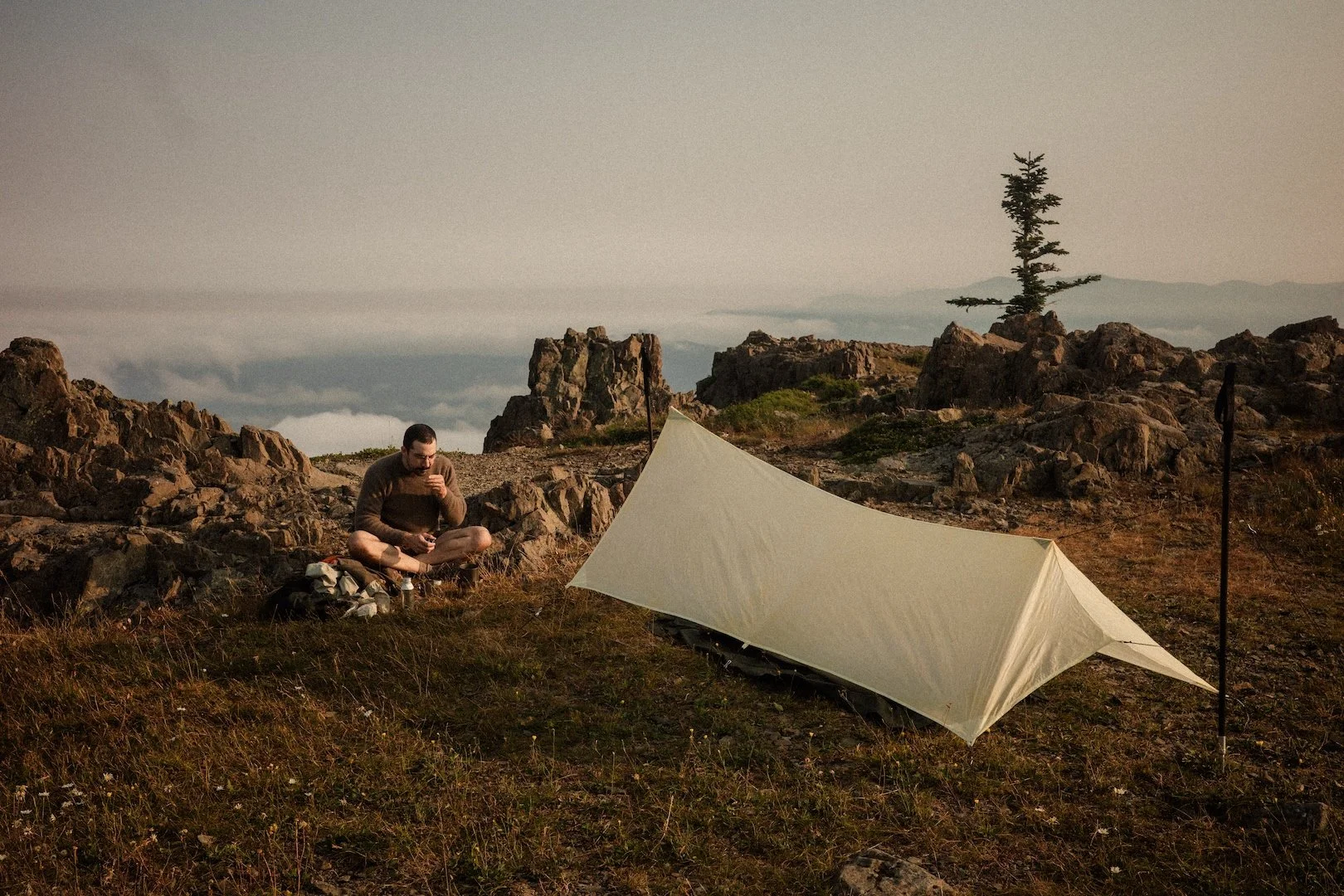
Imagine hiking in nature with no plastic. What does that feel like? Birthed out of Portland and the University of Oregon (most of us know as the home of Nike) Tom Bonamici has spent the last 15 years in product design, has embarked on his own project inspired by the way design, materials, performance but ultimately sufficiency can be rethought from today’s new conscious lens. This proves, a revolution can be started right in your own backyard. Have you ever felt linseed oiled silk? It’s something to be admired that’s for sure. By assembling and creating a new hiking backpack full of only the natural ingredients – merino wools, cottons, linens contrast the normal rustling of plastic we associate with the outdoors. He mentions how the world became quiet. The kit was earthy, softer, exposing how conditioned we’ve become to the sensorial qualities of synthetics in nature. We’re sparked to try this one out, and with oiled silk back on our radar, we’re curious what other brands can think up with its use. What happens if this seeps into other aspects of our life? Would you give it a try?
Het nieuwe Ecoceen - Pam Werlotte
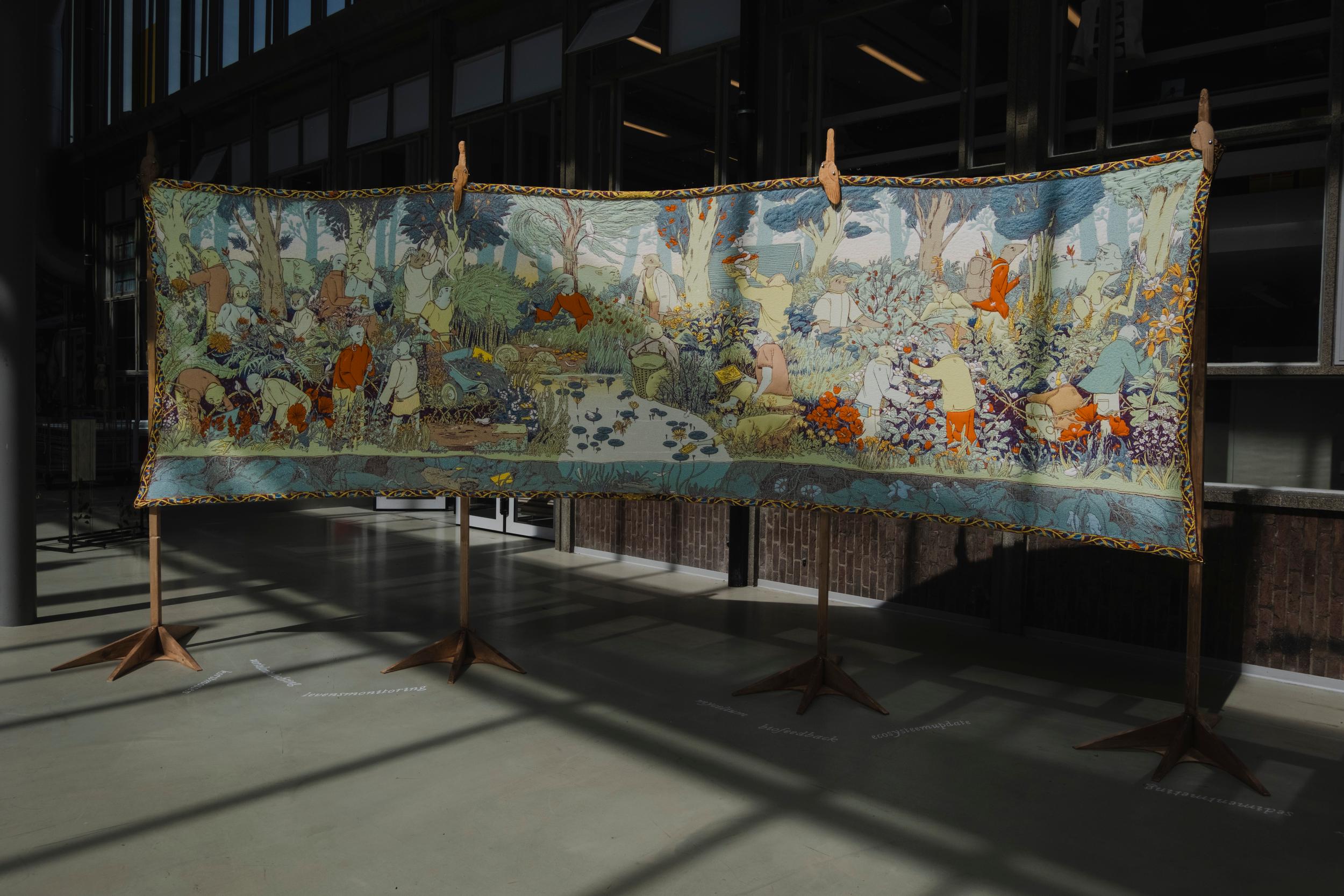
After strolling through the main halls we noticed a crowd gathered around admiring something, so you know this must be good. From the Graphic Design programme at the Utrecht School of the Arts (HKU), Pam Werlotte presented Het nieuwe Ecoceen (The New Ecocene), a tapestry about our broken relationship with the land. Her starting point is a planet that once set its own rhythms. Today landscapes are colonised and controlled, species are disappearing and the soil is wearing thin. Werlotte places us at a tipping point between the“Technocene”, where human control still shapes the landscape, and the“Ecocene”, where people learn to see themselves as part of a living ecosystem again. The tapestry borrows its structure from ecological succession, the way. nature recovers after disturbance. It grows from disruption and pioneer species into a layered ecosystem where the lines between humans, insects and animals start to blur.
Timbre – Kimberley Cronin
At the Istituto Europeo di Design(IED) presentation The Word for Border Is Water, Kimberley Cronin, a product design graduate, showed Timbre, a tactile MIDI controller that puts gesture back at the heart of making digital music. Instead of screens and fixed buttons, Timbre responds to touch, pressure and vibration and turns them into sound, so playing it becomes a physical act again. It sits somewhere between instrument, interface and sculpture. Cronin took her inspiration from water and cymatics, where vibration makes sound visible as moving patterns, and she designed the object to embrace unpredictability. No two gestures produce quite the same result. She also imagines several devices linked into a network for shared, layered soundscapes, carrying the project’s idea of fluidity from one player to many.
The World In Between – Verena Design
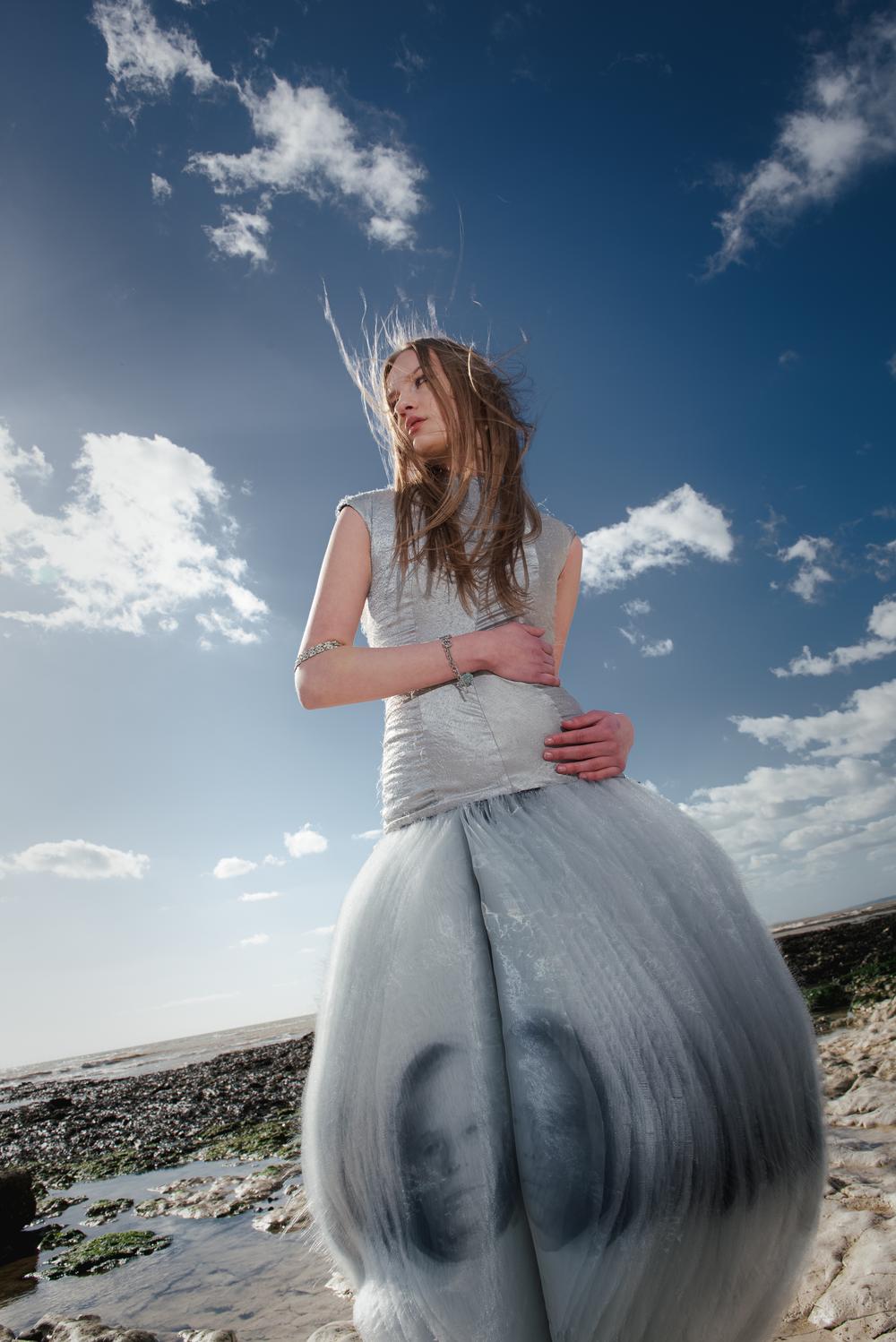
Among the graduates showing withHKU’s Fashion Design programme, Mila Verena Dijkstra took on a subject fashion rarely approaches: death. Her collection, The World in Between, grows out of her own story and imagines a new world where people can find peace. Dijkstra treats loss as something soft and beautiful rather than harsh, and her garments suggest that by looking past what we can’t touch, we can stay in conversation with those we’ve lost. She sums it up in one line: “As long as you a re alive. They stay alive within you.”
We Harvest Wind – Thijs Biersteker x Polestar
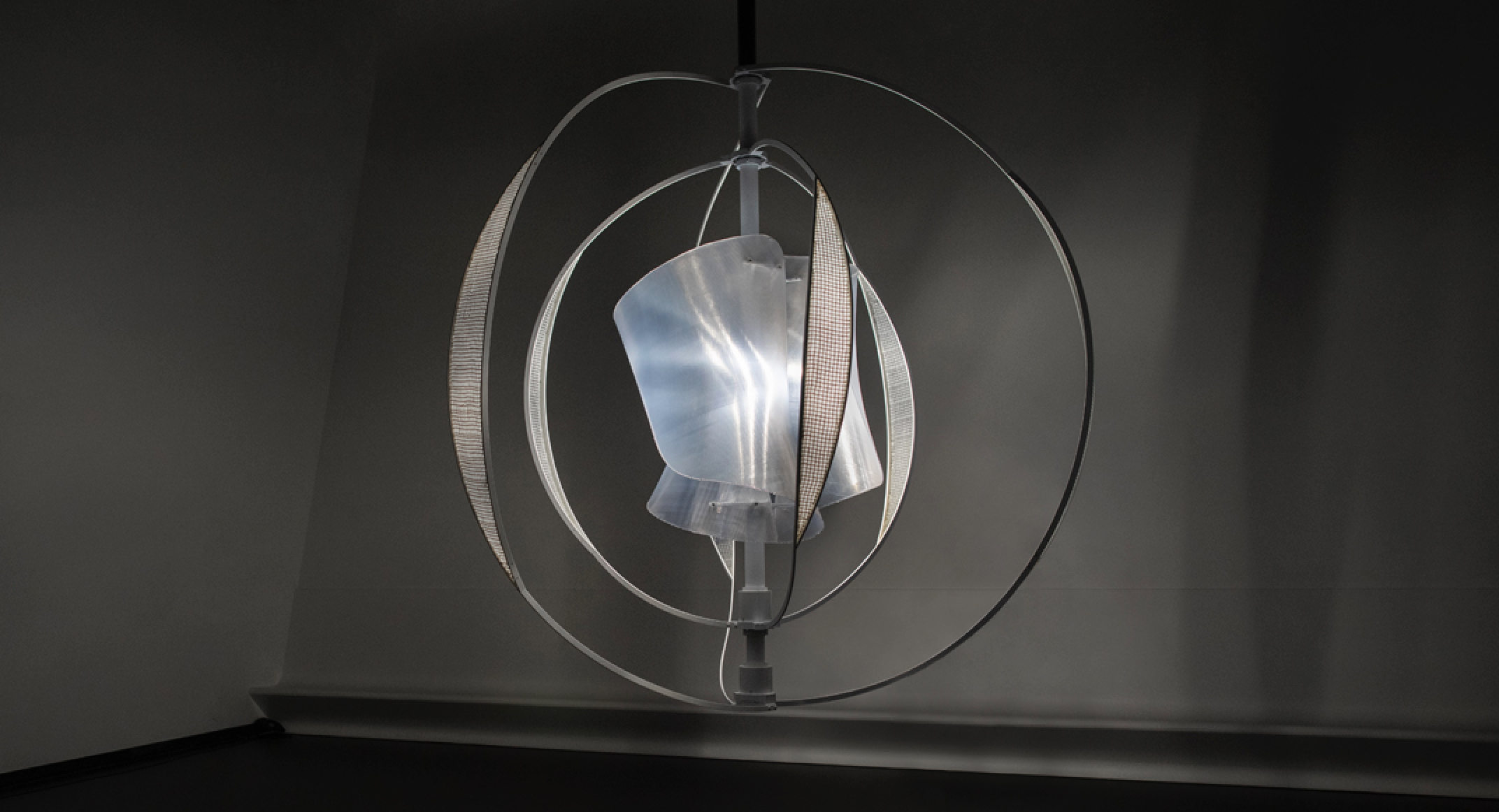
Ecological artist Thijs Biersteker and Swedish electric car brand Polestar presented We Harvest Wind, an interactive installation that makes the invisible visible. Wind energy and sustainable materials are hard to picture as abstract figures, so the work turns the data from Polestar’s life cycle assessment of the Polestar 2 into something visitors can experience directly. The aim is to prompt reflection on climate change, pollution and the shift to renewable energy. The material story is as interesting as the visual one. Polestar worked with Woven Studio to develop a new, fully biodegradable adhesive for the piece, a small but telling detail in a work about the hidden impacts of how things are made. Polestar put sit simply: “Art plays an important role in our vision for a more sustainable future.
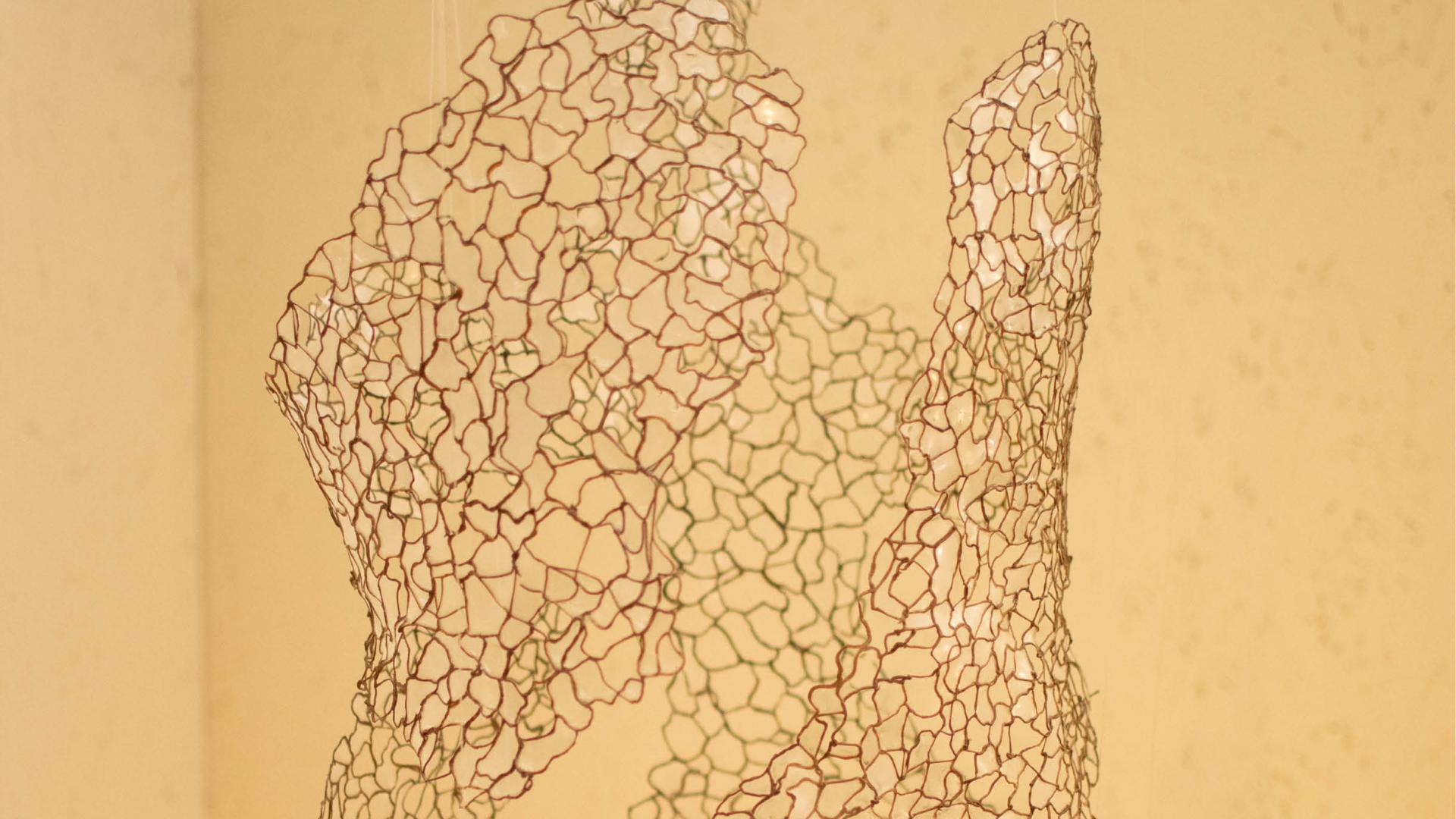
Neural Maze — Meike Buijtels
What would fashion look like if it found a balance between social responsibility and the pleasure and meaning clothes give us? That question sits at the heart of Neural Maze, and Meike Buijtels answers it not with a collection but with art objects that propose a new way of living, thinking and creating. Her pieces move away from the trend cycle altogether. Materials adapt to the body rather than the other way round, and nothing is tied to a season. Instead, Buijtels imagines a more intuitive system, where garment, wearer and technology start to melt into one another. It's speculative, yes — but it's the kind of speculation the fashion industry badly needs.
Arcatype is building a living archive of design projects and brands that can be cataloged and remembered outside the fair. If you would like to have a look at what we are building or share a similar project with us, feel free to get in touch.