
The Art of Gathering: Inside Barbarella’s Curated Approach to Culinary Creation
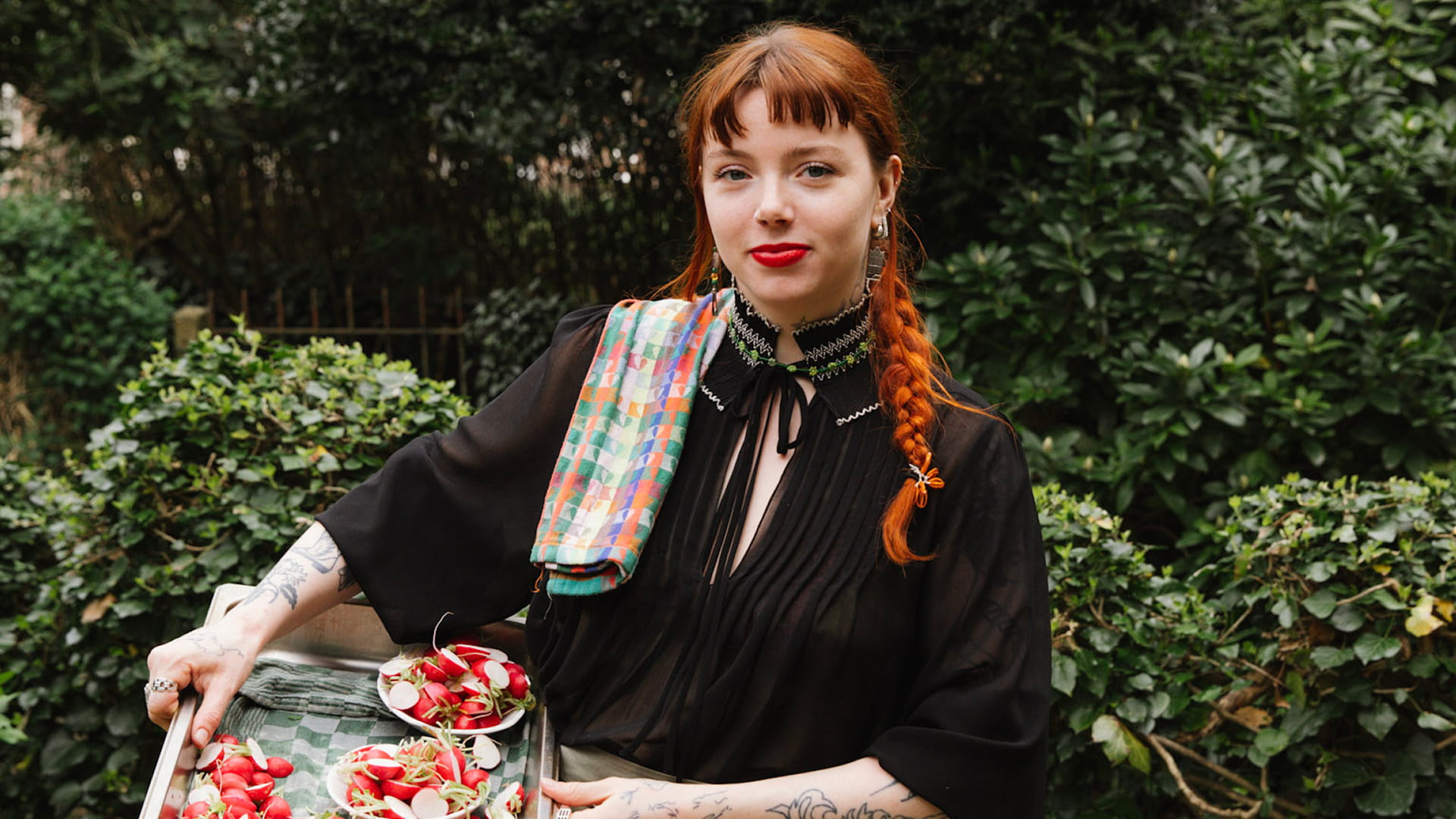
In a world where food experiences are often designed to be photographed before they are experienced, Barbarella takes a different approach. For co-founder Ro Barbie, food begins with curiosity, care, and the desire to bring people together around a table.
Founded by Ro and Tesra, Barbarella began almost unexpectedly. A few years ago, the duo was invited to cater a festival in France: a four-course dinner for hundreds of people, created in the middle of nowhere with limited kitchen facilities and everything made from scratch.
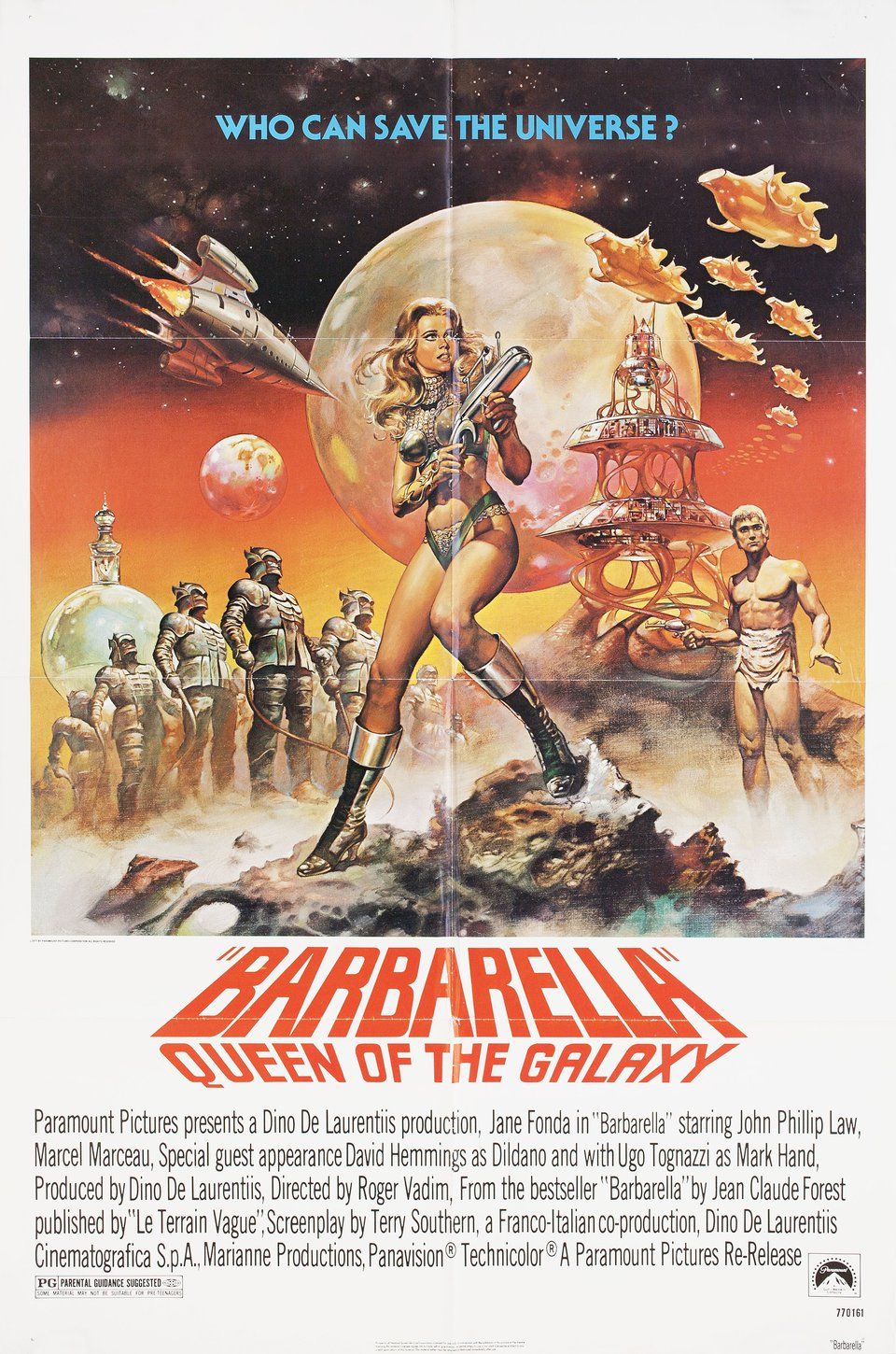
The name itself carries a personal and playful connection. Barbarella comes partly from Ro’s own surname, Barbie, and partly from the 1968 cult film Barbarella, whose bold visual language and feminine energy inspired the aesthetic world around the project, too. For Ro, the name felt like a natural reflection of what she and Tesra wanted to create: something imaginative & sensual.
The project was ambitious and far from simple. But it became the starting point for what would eventually grow into Barbarella - a curated culinary art rooted in seasonality, aesthetics, and care.
Over time, however, Ro discovered that growth for the sake of growth was not necessarily the direction she wanted to take. Larger catering projects meant not only cooking but also managing everything around the food itself. The more the work expanded, the more difficult it became to protect the creative element that had inspired her in the first place.
Instead of trying to build the biggest possible catering company, Ro chose to return to a slower and more intentional way of working. Today, Barbarella focuses on projects that allow space for creativity - intimate dinners and collaborations where food can become an expression of both the ingredients and the people behind them.
From ‘Cooking’ to Culinary Art
Ro’s relationship with cooking began early. She started working in kitchens as a teenager and initially studied at art school before realising that food offered another form of creative expression.
For her, cooking became a medium similar to painting: a way to work with colours, textures, composition, and emotions. This idea sits at the heart of Barbarella’s philosophy of “curated culinary art” - an approach where every detail matters, from the ingredients chosen to the way a table is experienced.
“When you understand techniques and how tastes work, you realise cooking is also like making a painting.”
The creative process often starts with what is available in nature. Seasonality plays a central role, with Ro drawing inspiration from local produce, wild-picked ingredients, colours, and textures.
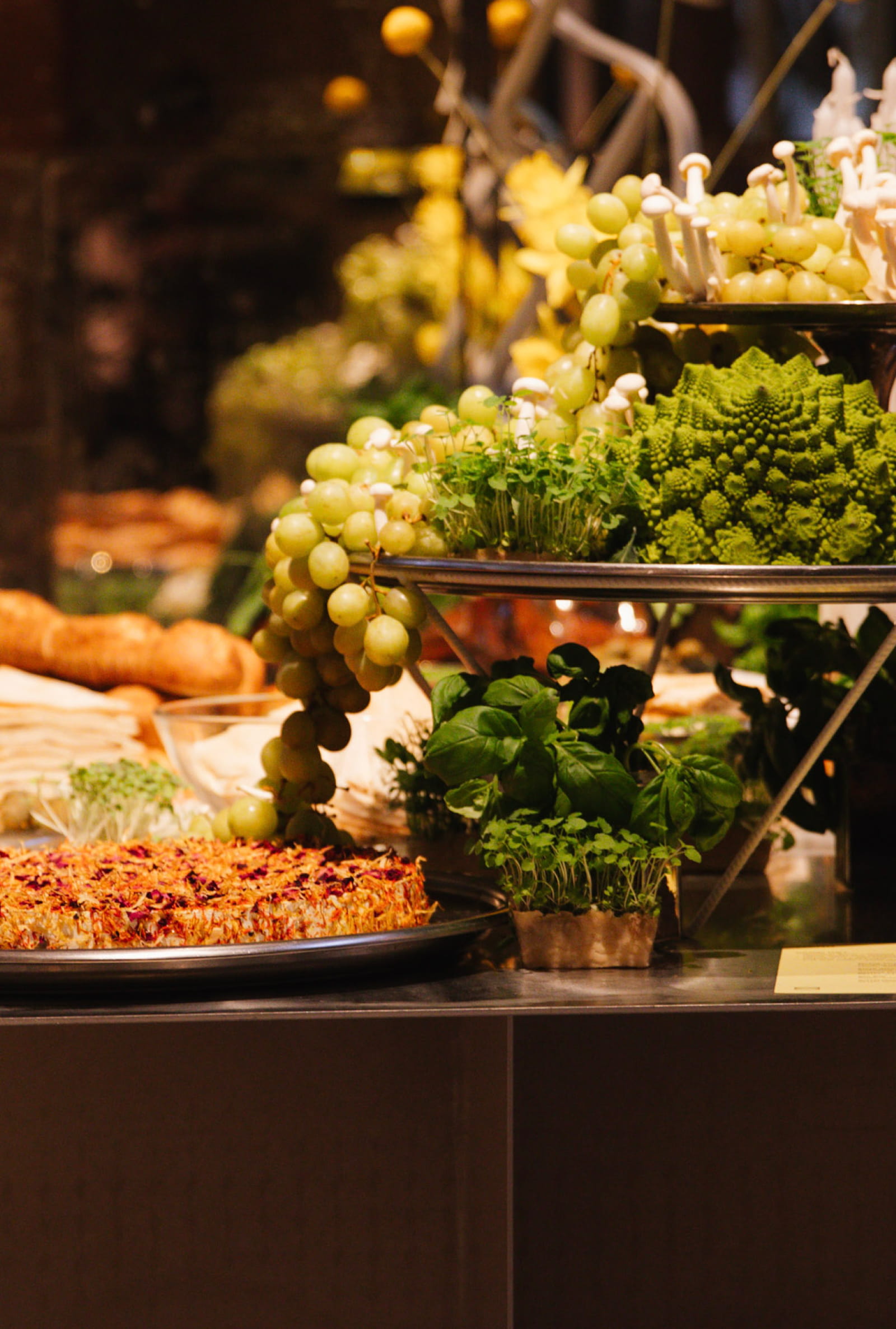
For Arcatype’s Edition 001, Barbarella created a seasonal culinary experience inspired by spring. Working alongside the artists and creators involved in the evening, Ro developed an edible landscape that reflected the energy of the season - a vegetarian spread shaped by fresh ingredients, flowers, herbs, and elements gathered from nature.
The menu was not simply created to be consumed, but to become part of the wider atmosphere of the evening: a sensory extension of the conversations, artworks, and connections taking place around the table.
Food as a Way of Caring
While visual beauty is an important part of Barbarella’s work, the philosophy goes deeper than aesthetics.
Ro is fascinated by the relationship between food and wellbeing - creating dishes that are nourishing, thoughtful, and leave people feeling good. Her cooking often centres around vegetables and plants, not from strict rules, but from a desire to show how exciting plant-based food can be.
“I like it when people eat something & feel better the next day, not worse.”
For Ro, one of the most rewarding parts of cooking is changing someone’s perception. A person who believes they do not enjoy vegetarian food might simply have never experienced it prepared in a way that feels inspiring.
Through food, she hopes to create small moments of discovery, encouraging people to reconnect with ingredients, nature, and the possibilities of what they eat.
.jpg)
Rebuilding Connection Around the Table
Beyond the food itself, Barbarella is ultimately about gathering.
For Ro, cooking has always been a way of showing care. Preparing something for others is an expression of attention and affection, and a reason why she has increasingly returned to creating experiences for friends, family, and smaller communities.
She believes the table has a unique ability to bring people together. In a city like Amsterdam, where connections can sometimes feel harder to form despite being surrounded by people, sharing a meal creates a more natural way to slow down and connect.
One idea Barbarella hopes to explore in the future is creating dinners where guests bring someone they do not know, allowing new connections to form organically through a shared experience.
Choosing Depth Over Speed
The future of Barbarella is not about accepting every opportunity or constantly scaling up. For Ro, protecting the creative process is what allows the work to stay meaningful.
After seeing many chefs experience burnout from the demands of the industry, she has become more intentional about creating a sustainable rhythm, where there is enough time to experiment, learn, and create something personal.
“I’m learning that doing things slowly can also really help with growth, instead of wanting to be at the top in a minute.”
Slowing down has become part of the practice. Rather than chasing quick success, Barbarella is built around patience: allowing ideas to develop, ingredients to guide the process, and each project to have the space it deserves. Because for Ro, the most meaningful creations happen when there is room to care.
Favorite Picks & Reccomendations
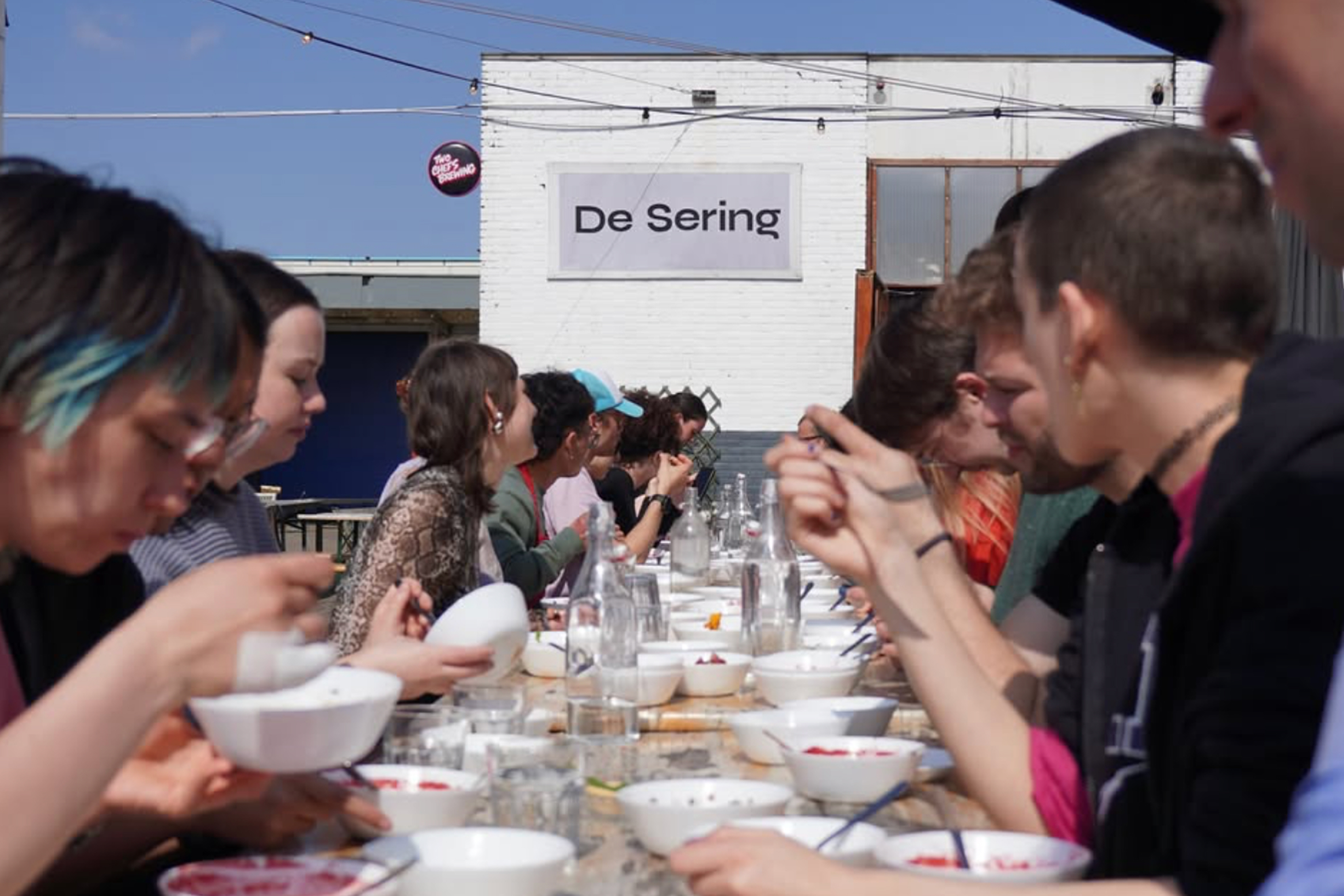
De Sering & TestTafel
More than a restaurant, De Sering is a community kitchen built around accessibility, serving affordable plant-based meals on a sliding scale. Its sister concept, TestTafel, takes the same values into a more experimental fine dining setting, proving that creativity and community can exist at the same table.
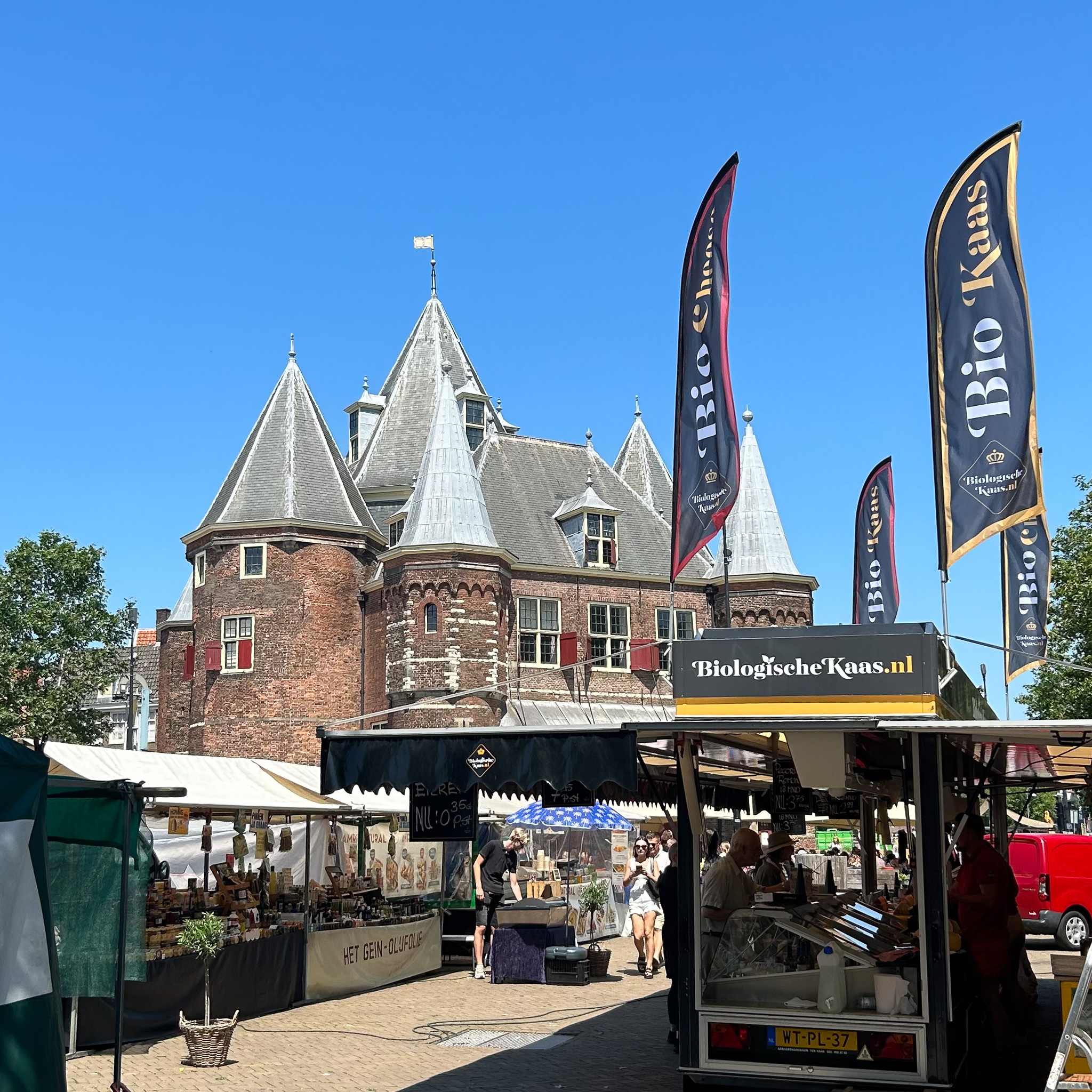
Gerrit & Saskia's Biodynamic Farm Stand
Every Saturday at Nieuwmarkt, Gerrit and Saskia bring biodynamically grown vegetables and fruit harvested entirely by hand. Their stall is where Ro does her weekly grocery shopping, not only because of the exceptional produce, but because of the people behind it.
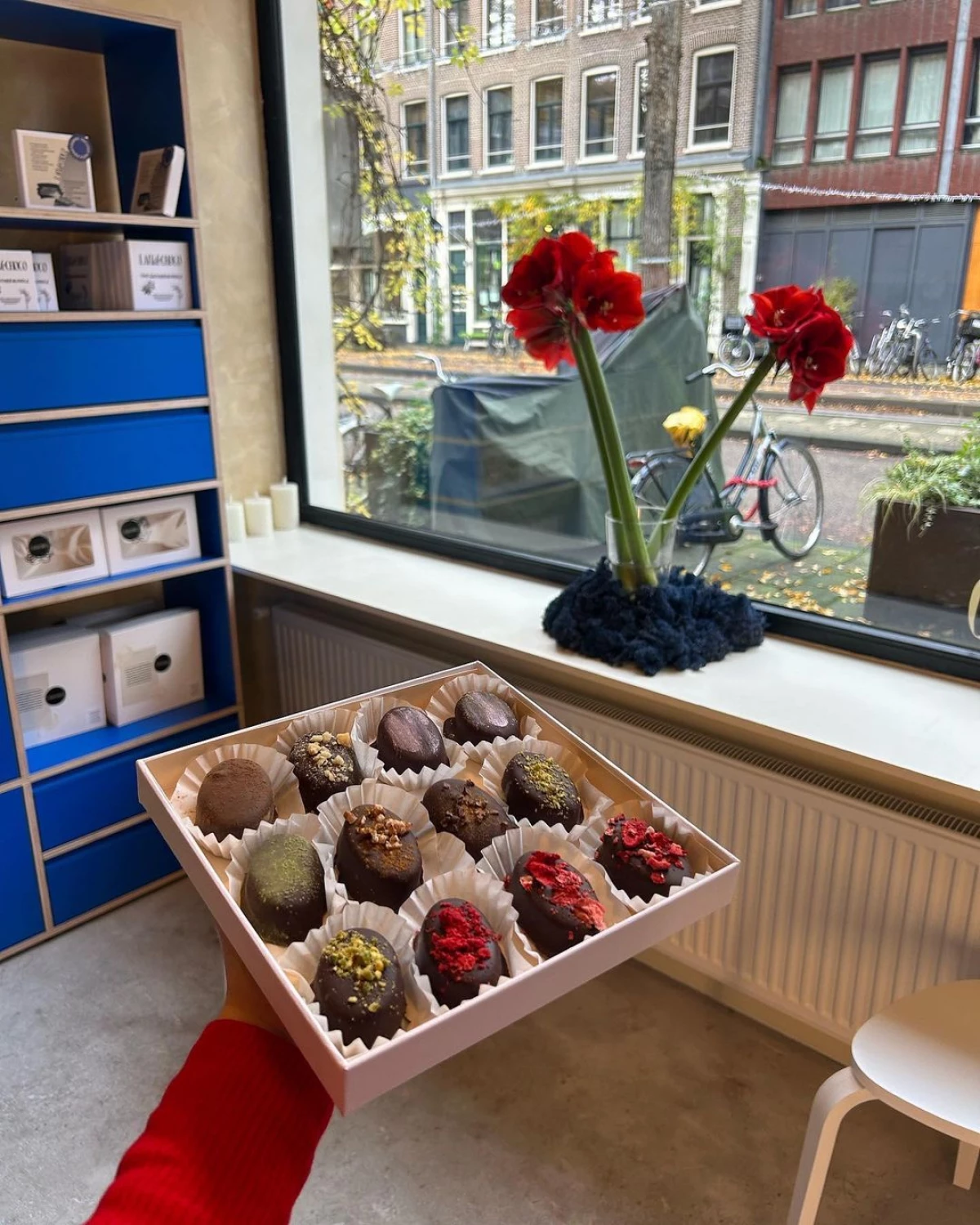
Lait de Choco
Hidden in Amsterdam's Czaar Peterbuurt, Lait de Choco handcrafts plant-based bonbons, truffles and small-batch seasonal ice cream. Complex flavours, ethically sourced cacao and precise attention to detail make it a place Ro returns to again and again.
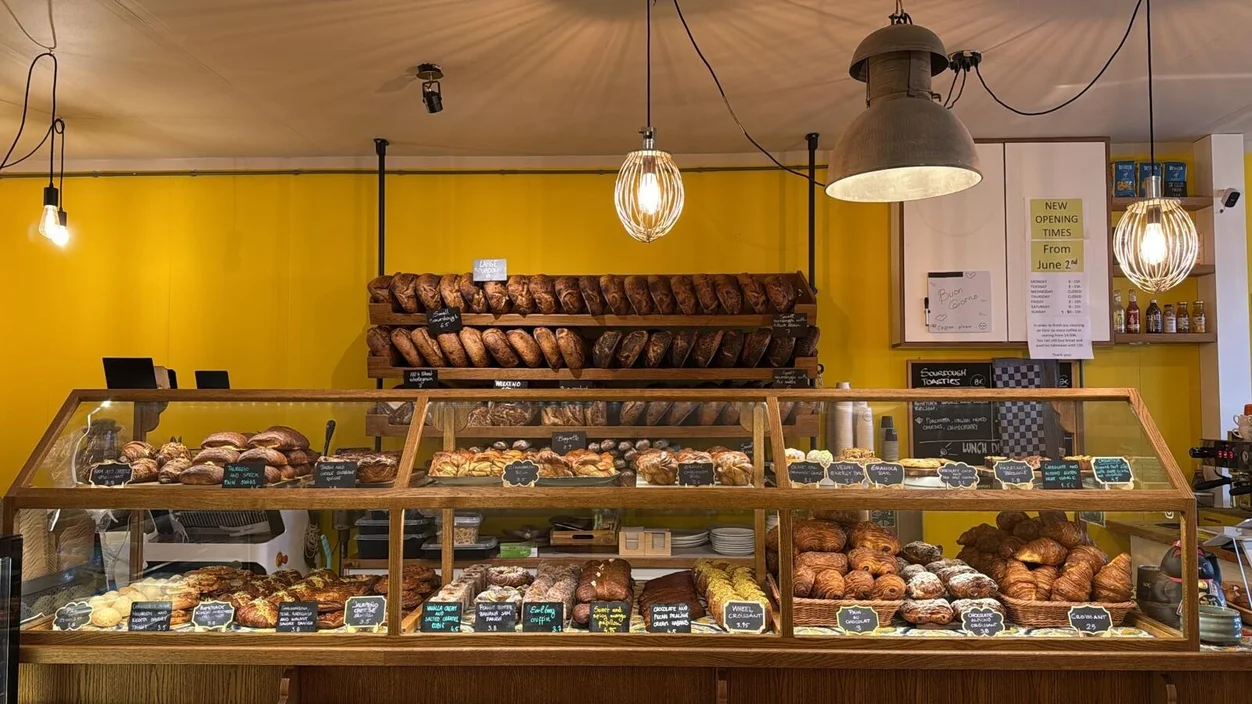
Rise Bakery
Near Amsterdam's Albert Cuypmarkt, Rise Bakery combines classic French technique with Mediterranean influences to produce beautifully crafted sourdough and flaky savoury pastries.
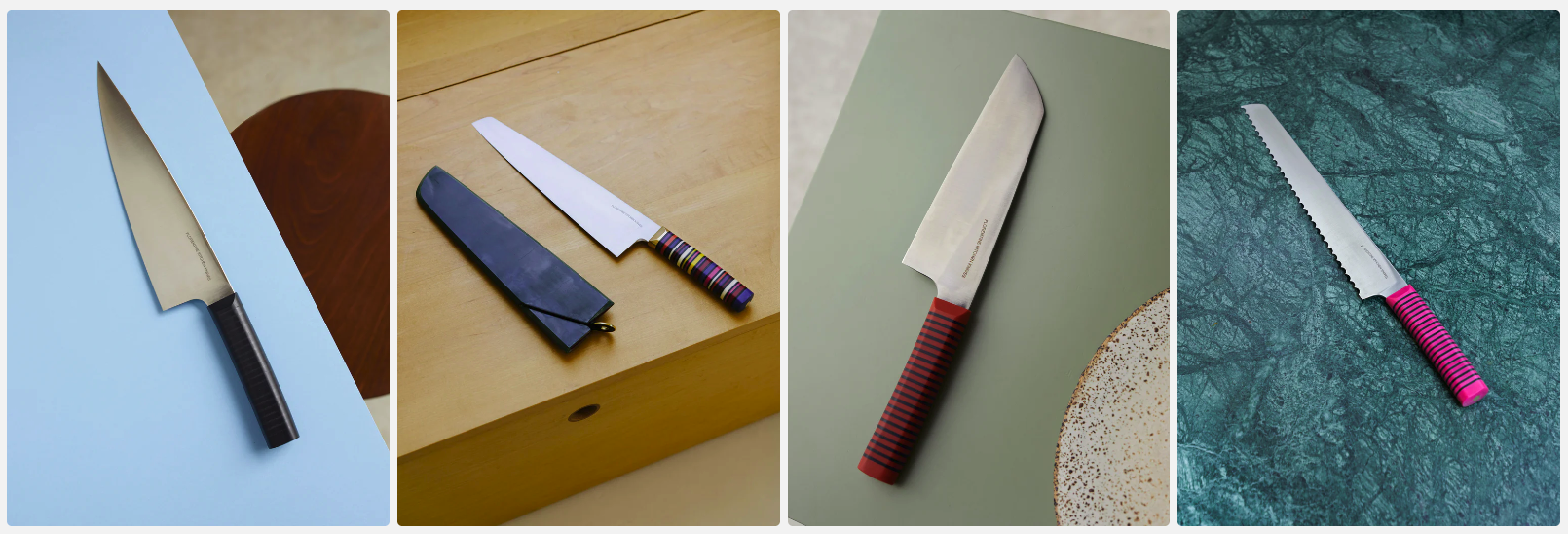
Florentine Kitchen Knives
Handcrafted knives designed to last a lifetime. Born in Barcelona, they're beautifully balanced, highly functional, and rooted in a culture that celebrates cooking, gathering and sharing good food around the table.

Bastida for Work
Workwear for people who make things. Bastida designs timeless aprons and garments that celebrate craftsmanship, proving once again that utility and beauty can effortlessly coexist.
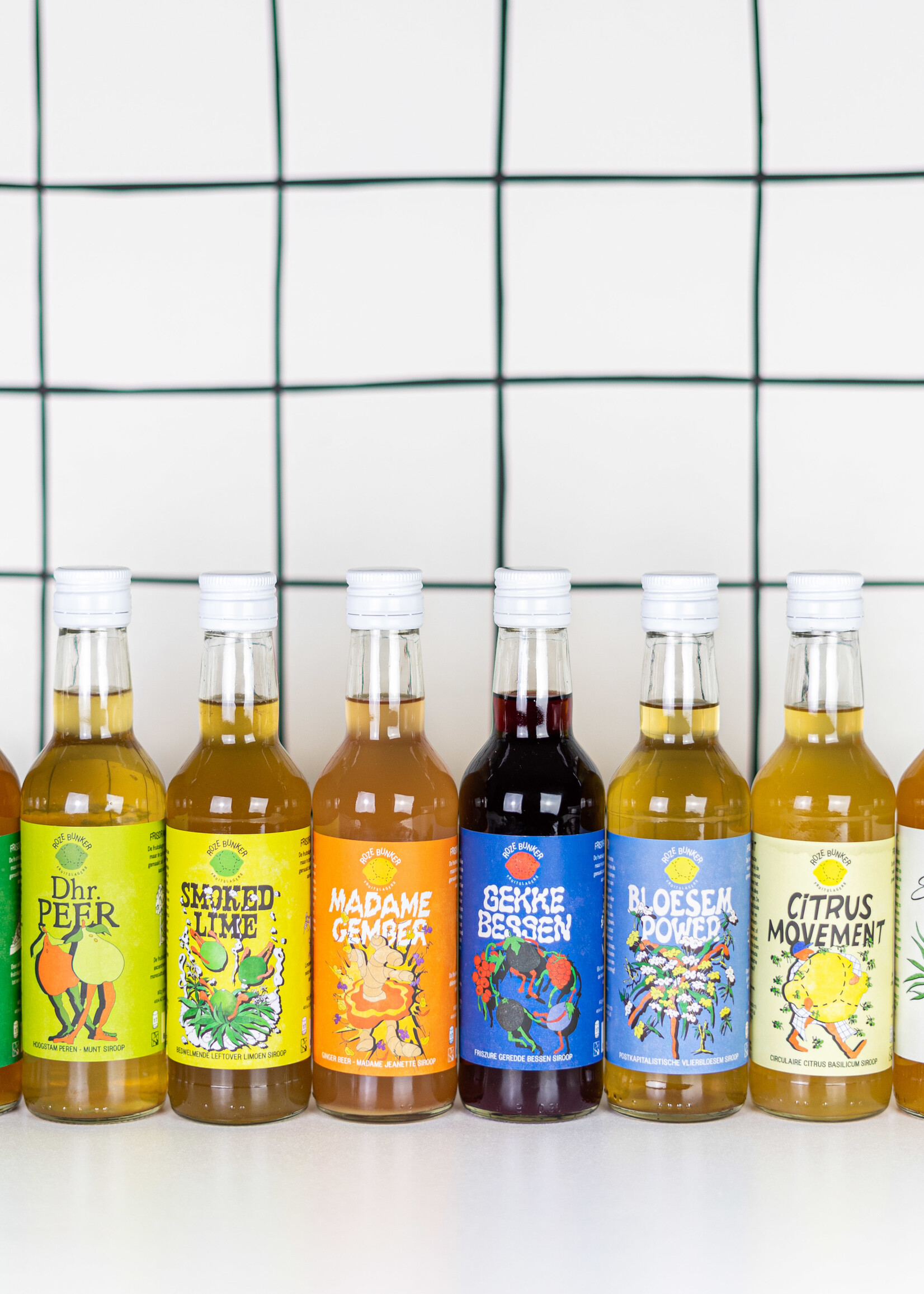
Roze Bunker
Roze Bunker is rethinking soft drinks from the ground up. Working with local farmers and forgotten fruit varieties, the Dutch brand transforms surplus harvests into naturally crafted sodas.