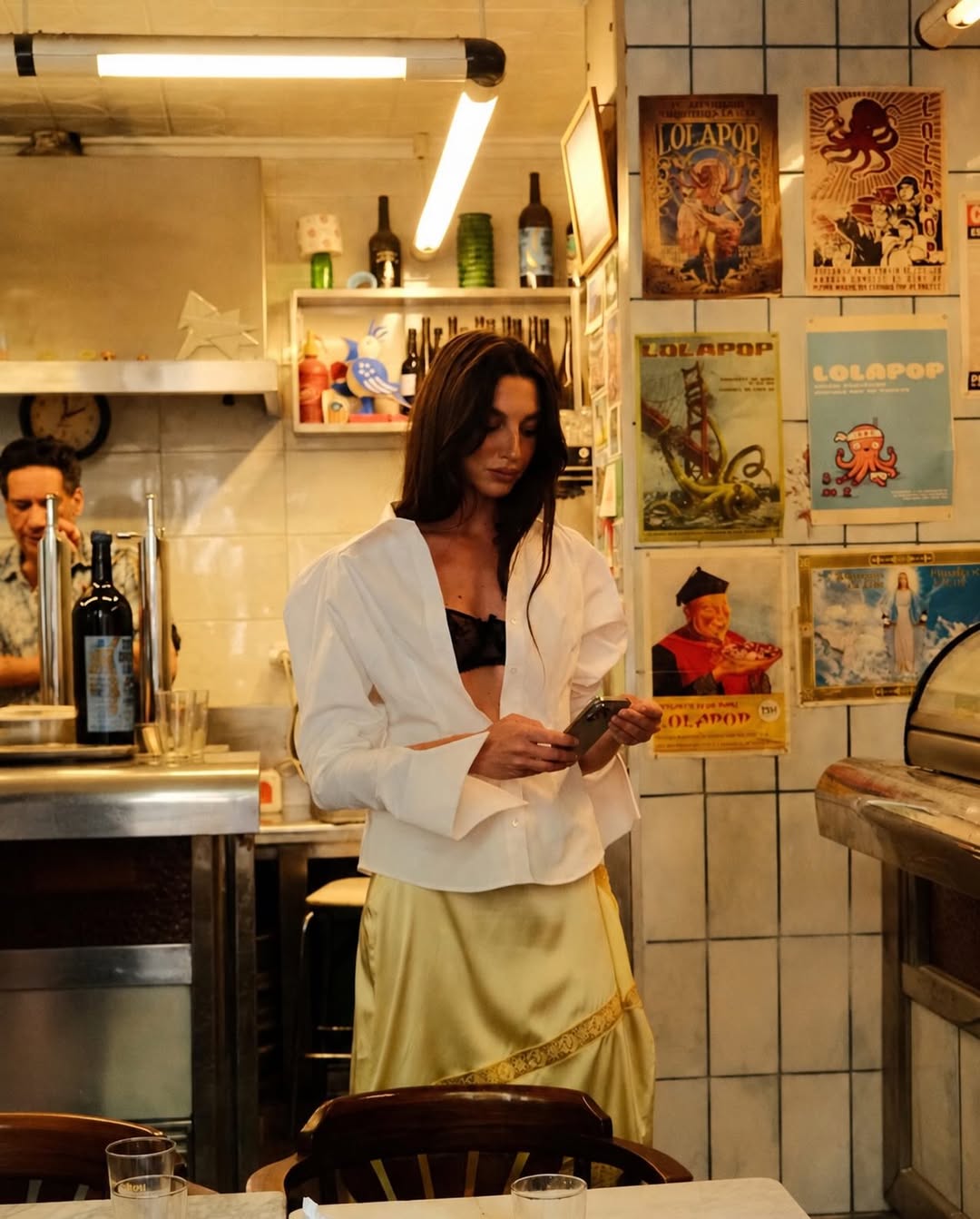

JSY: Talking Fewer Pieces and Better Choices
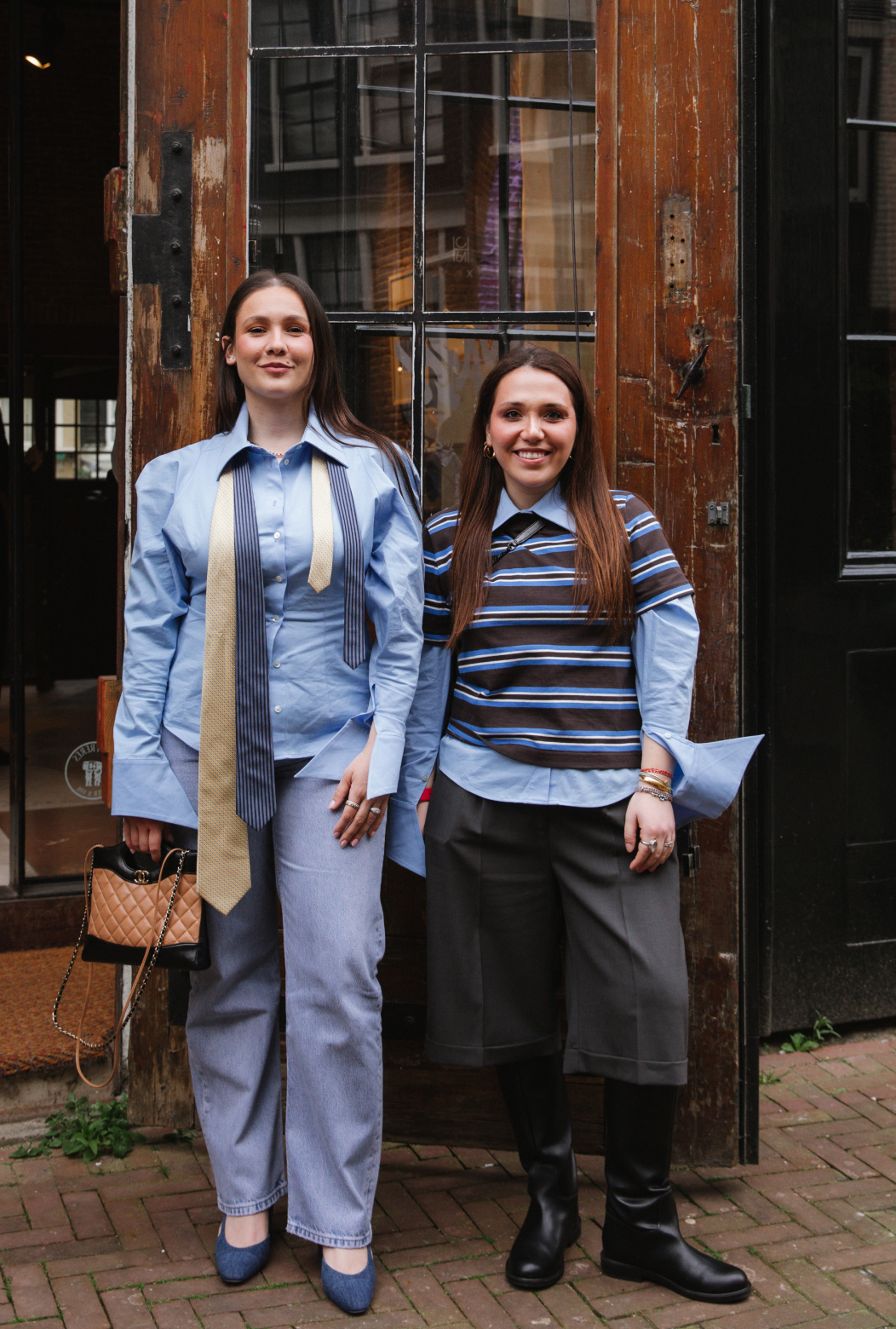
Drita and Jona are sister-in-laws who became business partners. The sequence of those two things matters to them. Before there was a brand, there was a shared way of noticing the world, stopping at something well made, asking why it was made that way, finding they had arrived at the same answer independently. That instinct is what JSY is built on.
Jona Spahiu Ymeri comes from a career in television and fashion content. She spent years observing, then questioning. She moved from showing fashion to questioning it for real. Drita, who describes her own style as uniform dressing, few but correct came to fabric through Jona. Picking from her wardrobe, she became a convert to the idea that the right material communicates something a photograph cannot.
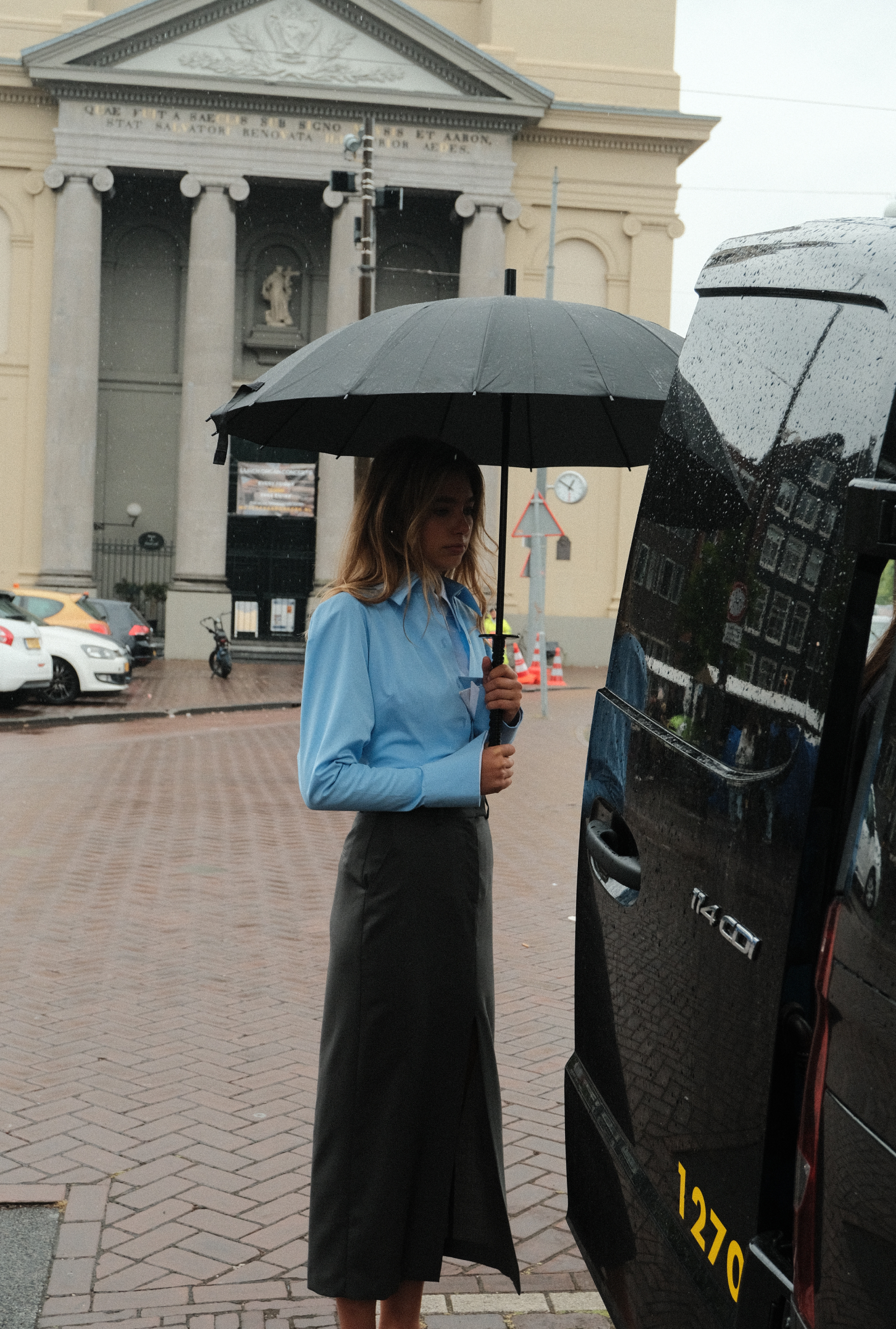
We are not just making clothes. We are sharing the values that we think the same way about.
The brand's name is Jona's initials — Jona Spahiu Ymeri — though she initially refused. Drita proposed it anyway, noting that the last letter, Y for Ymeri, is also her own surname initial. The great houses put their names on their work. JSY is no different.
JSY's first drop took two years. The first mood board was sent in early 2024. The collection was released by the end of 2025. Five pieces. Limited quantities of each. The pace was not incidental, it was structural. The collection is designed to be worn in the morning and again in the evening, to be paired differently without losing its logic.
Jona traces the discipline back to an encounter with a Max Mara white cotton shirt she touched roughly ten years ago. Very crisp white, very clean cuts. The way the cotton felt in her hands, and the way it sat in her body, hugging in the perfect places without doing too much. That shirt became the reference point for JSY's own cotton shirt, the first piece in their debut collection.
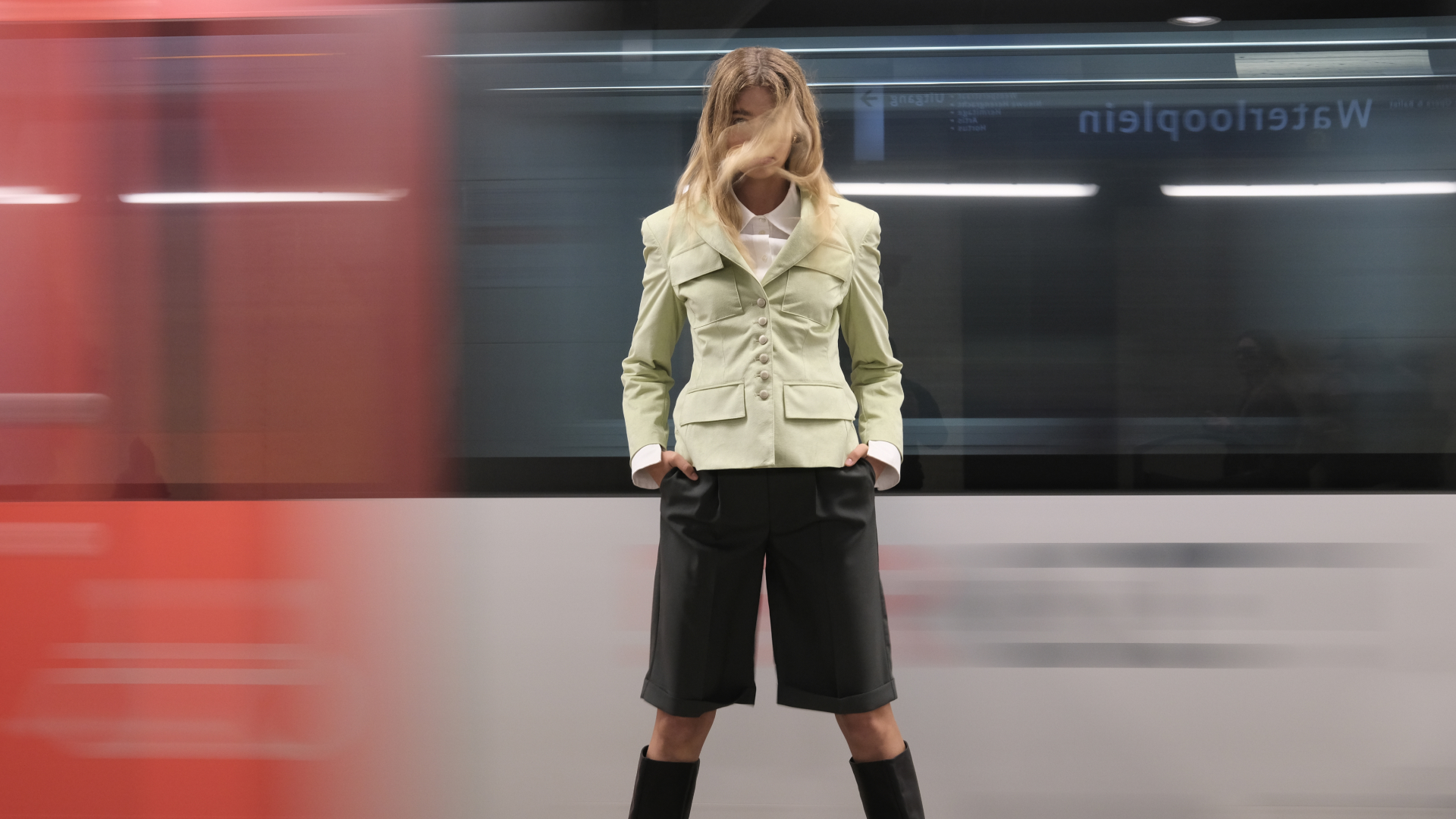
Production is based in Italy. Fabric sourcing is handled with the same care as design. For their cotton pieces, they work with Beppetex, a supplier known for natural fibres and Italian-made cotton. For their hero piece, a structured jacket, they originally intended to use real suede. When the raw material was presented to them, they stopped. It didn't sit right. The decision was made to move to Alcantara, a human-made microsuede produced by a manufacturer with verified carbon certifications. The fibre content is recycled polyester, but the manufacturing process and certification stack placed it in a category they could stand behind.
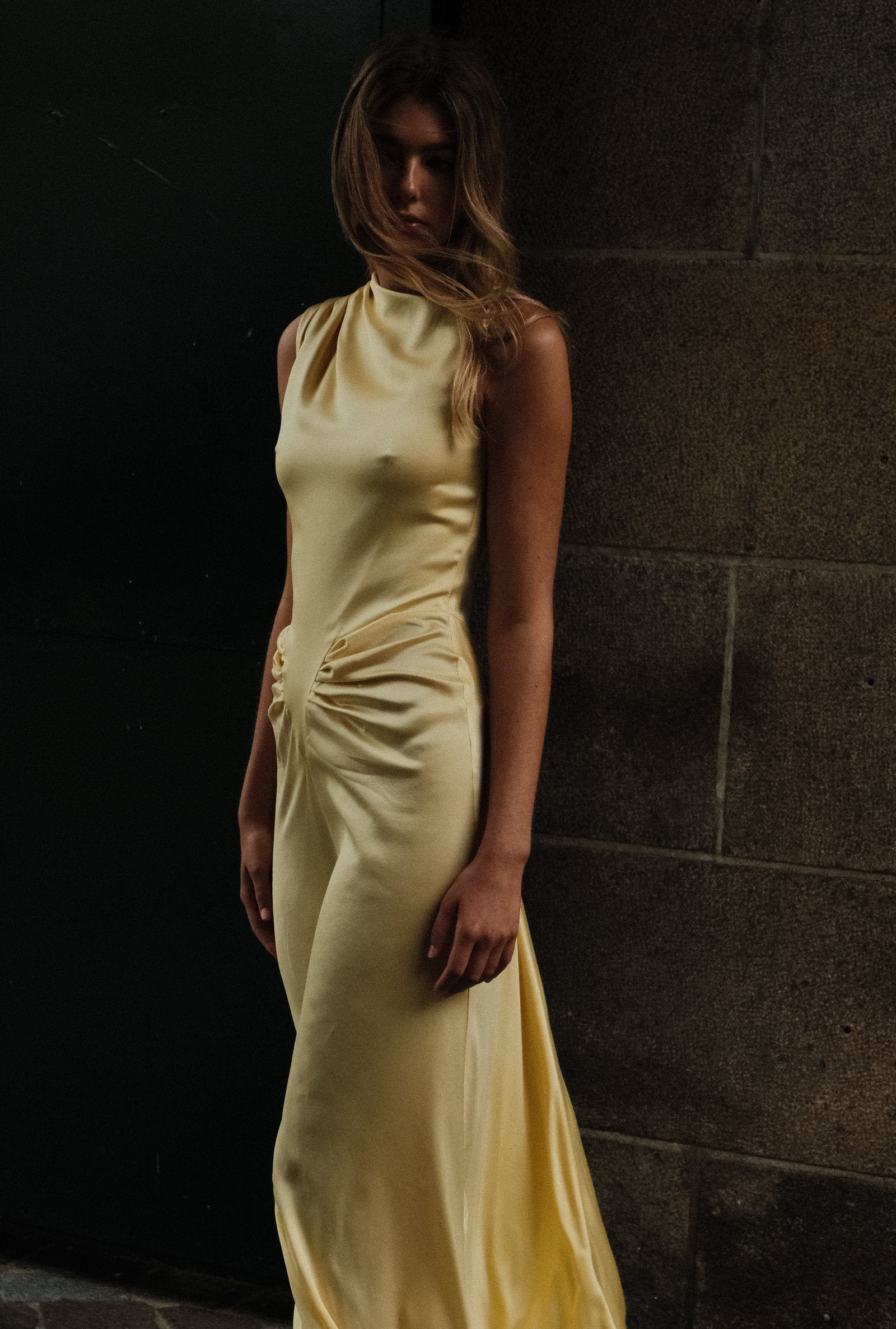
Honesty is everthing. Honesty in materials, honesty in construction, honesty in what a piece promises, & honesty in what it delivers over time.
The jacket is their most articulate piece of design thinking. Its reference is Alaïa 1999, the woman's silhouette as structural anchor. From there, every detail was opened up for re-examination. Plastic buttons became metallic. Two pockets became four. The length was adjusted. The sleeves were extended to account for range of body types. Even millimetres count, Jona says. A piece is almost never right the first time. They go through multiple rounds of samples, adjusting, reworking seams, changing button placements.
_the details people miss
Ask Drita what people miss until they are standing in front of the garment, and she says: the buttons. The buttons immediately tell you that these people know what they are doing. She has had messages from people saying they have not bought something yet, but they have touched the buttons and they are all in. She was initially dismissive of button selection during production, until she saw what the right choice communicated to people who were paying attention.
This is the logic behind their Albanian pop-up, organised through Jona's existing event company. The audience had been asking about the materials, the price points, the justification. Seeing the pieces on a rail and touching them was a different kind of answer. People were mesmerised by the material. Online, the same pattern held: content creators who received pieces and said they would not necessarily post them began wearing them constantly. Maybe they do not tag it, but it is all they are wearing now.

_femininity as a position
JSY has a specific point of view about how women have been dressed in recent years, and they are designing against it. The brand has seen the idea of women needing to push toward the masculine side: oversized silhouettes, more masculine cuts, as if power has to borrow from male language to be valid. JSY's garments are explicitly feminine, and the argument embedded in them is that this is not a softening. Women navigate the world with layers of intuition, sensitivity, and strength that are often underestimated.
Their design language: balance between structure and softness, femininity and strength, simplicity and depth. The brand has a specific woman in mind across every design decision — someone managing multiple things at once, whose clothes need to hold up across the full length of a day without asking her to think about them. A customer wrote back having worn the jacket through a six-hour workday and then to drinks with friends without changing. That feedback was the point.
_what's next
The upcoming summer drop will include shirts developed to feel more luxurious while remaining functional and long-lasting. It will also include a reworked version of an existing piece, a deliberate demonstration that high-quality construction can be remade rather than discarded. The rework is as much a statement as a product release.
In the right places, with the right people and the right partners, a brand can not just be seen, but really understood.
Grounded in Amsterdam, the sense of community, the intentional pace, and the deliberate expansion into adjacent categories are clear futures on the horizon. They both do not want their brand to feel distant from women.
Women should experience it, connect with it, and feel part of it.
JSY presented at Arcatype Edition 001 in Amsterdam April 2026, showing pieces from their debut collection.