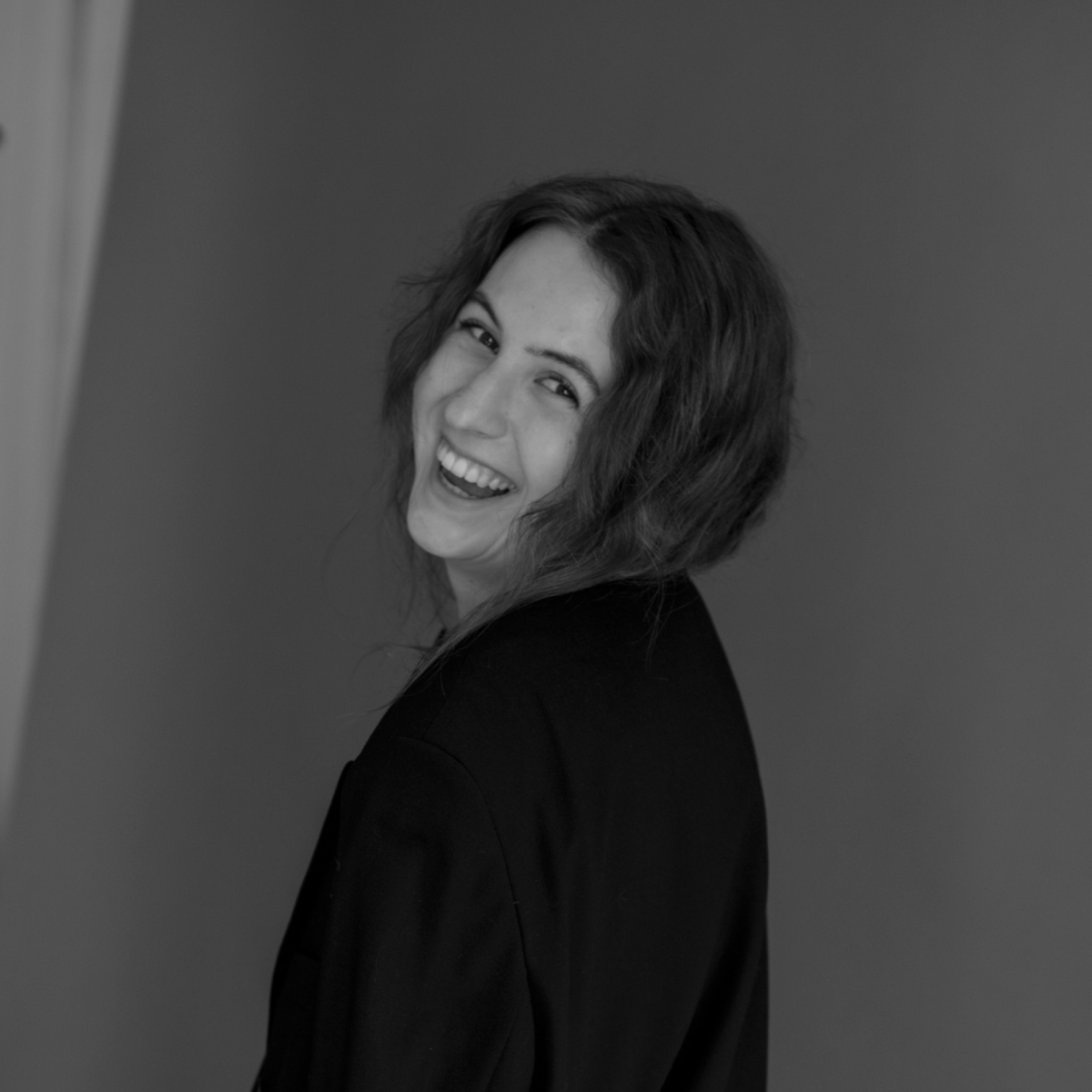
Opus Mushrooms: Anne Bas on building a functional mushroom brand
There is no doubt functional mushrooms remain one of the fastest-growing wellness categories, but coverage is increasingly focused on both product innovation and the gap between marketing claims and clinical evidence. However, it’s still a big opportunity, The Financial Times reported that mushroom supplements are projected to grow from $5.83 billion to $8.83 billion by 2031, with tinctures among the popular formats. There are some strong new contenders, but no brand has transcended into the mainstream just yet. It’s a hard market to crack. This is something that excites and drives curiosity with Anne Bas, a seasoned entrepreneur who’s dedicated her work to solving clear problems in different social missions. Only now she's doing it with her new brand Opus Mushrooms.
A journey from sustainable fashion to functional mushrooms
For eight years she ran a business built on a simple observation: the fashion industry needs an enormous number of hangers, and most of them are cheap plastic that is used once. Hotels, shops, suits, the bag you carry out of Primark. Making them sustainable was the mission, and it was a visible one. She knew who bought them and where they ended up. Life had a different path and plan for her, and she read the signs. She took that tenacity and good will to apply it to something totally different.
The something was through the power of mushrooms. It started with a new acquaintance, a man who made mushroom supplements for his children and for people struggling with the difficulties ADHD and did not want to choose chemical solutions. She started first on a Lion’s Mane protocol a natural alternative to synthetic medication, liked what she noticed, and asked how she could get involved and share her new knowledge and experience with others. Getting quickly up to speed on the topic, a voracious reader and researcher, tuning into Fantastic Fungi and the work of Paul Stamets, even finding her way into the long tradition of mushrooms in Traditional Chinese Medicine, where the idea is to prevent, and stay well rather than to wait until you are not, and try to fix/heal it later.
“With the hangers I had much more impact, and that felt very good. The mushrooms are a smaller business, and it's not for the whole world. It's for helping to educate people who don't know traditional Chinese medicine. Chinese medicine has been around for 2,000 years or more and has always been available. I'm just educating Europe to become a bit more conscious about their health. I’m more grounded now in my work because of it."

How Opus Started:
Acupuncturists First – Retail Second
The first way to establish it was about moving through small and logical steps. She imported from Switzerland until Dutch border control made the wait unworkable, then found a factory in the Netherlands that could produce at scale. She did begin with big retail in mind. But to get there, she began with acupuncture practices, small drugstores, and orthomolecular therapists, people who could explain the product to their own clients and consult directly based on their needs. The after 6 months she knew the response was good enough to take it to Holland & Barrett, and she became one of the first in the Netherlands to bring functional mushrooms to the mainstream.
“Every so often I get a spark of inspiration and want to do something completely different and educate myself in a completely different industry. A lot of people think you should do what you’re good at… but I felt a call to do something unique and improve our relationship with preventative health.”
The timing helped. She launched during Corona, when trust in big pharma was low and curiosity about natural options was high. Then the war in Ukraine closed the route for Chaga, which grows best in Siberian cold, and the supply moved to Finland. “I think that was a bit of luck,” she says of the timing.
Why quality is often the harder sell:
Tinctures vs Capsules
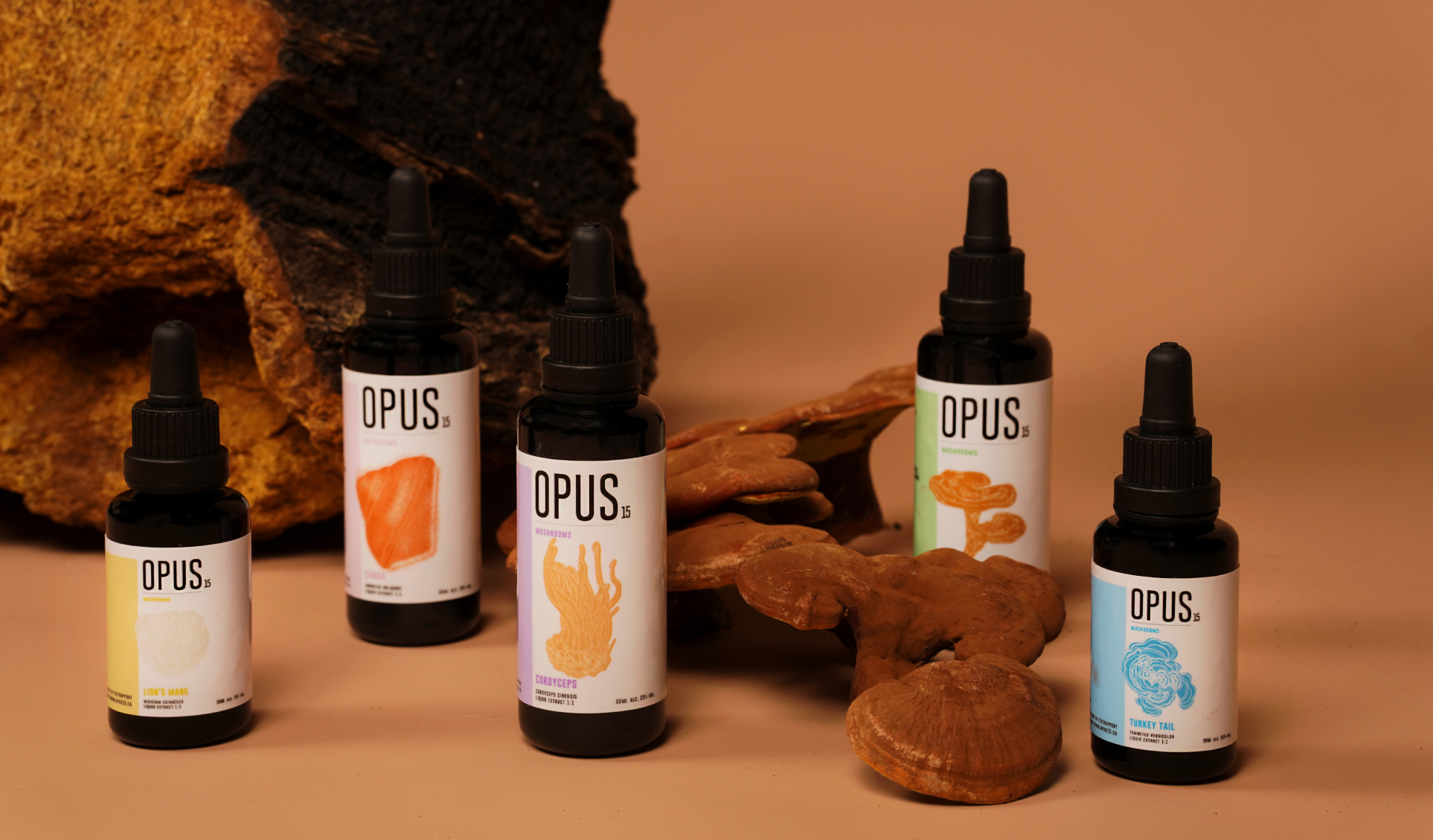
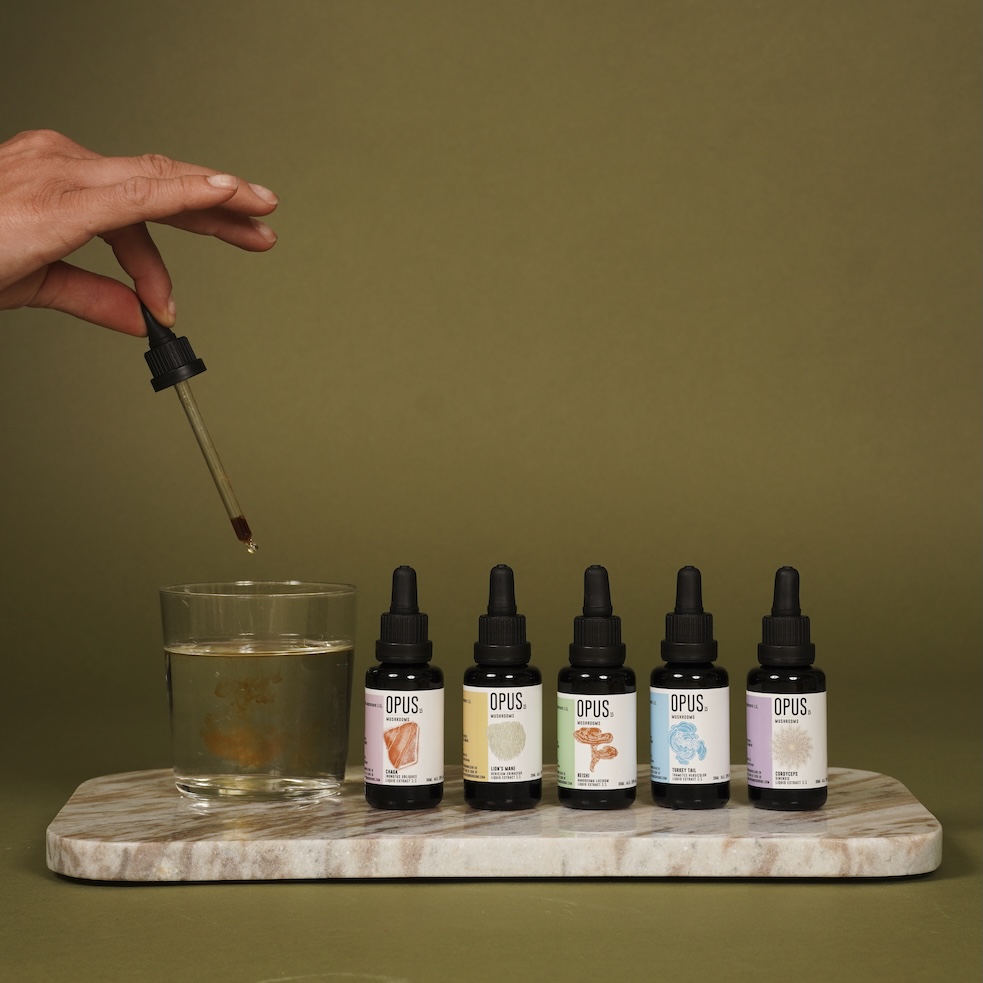
Fast forward to 2026 and functional mushrooms are now everywhere, and Opus competes with products at a fraction of the price. Her tinctures are extracted in alcohol, water, and by ultrasound, and kept wet. It is an expensive process, that extracts more active substances at a higher potentcy and has more health benefits. and she makes no apology for it. Many competitors sell dried mushroom pressed into capsules. On a shelf, the two look like a simple price comparison. In reality it is more expensive, as the absorption percentage is a lot lower.
The regulations make the difference hard to explain. Supplement brands in Europe are limited in what they can say, so the story rarely fits on the packaging or in a caption. This is why she values the personal route: therapists, salons, and conversations. People who have tried both often come back to the tinctures on their own.
“My mission has always been to make the world a better place. If you have the room to tackle some kind of problem in the world, then I think you should.”
How to choose a Mushroom Tincture: Anne’s Top Tips
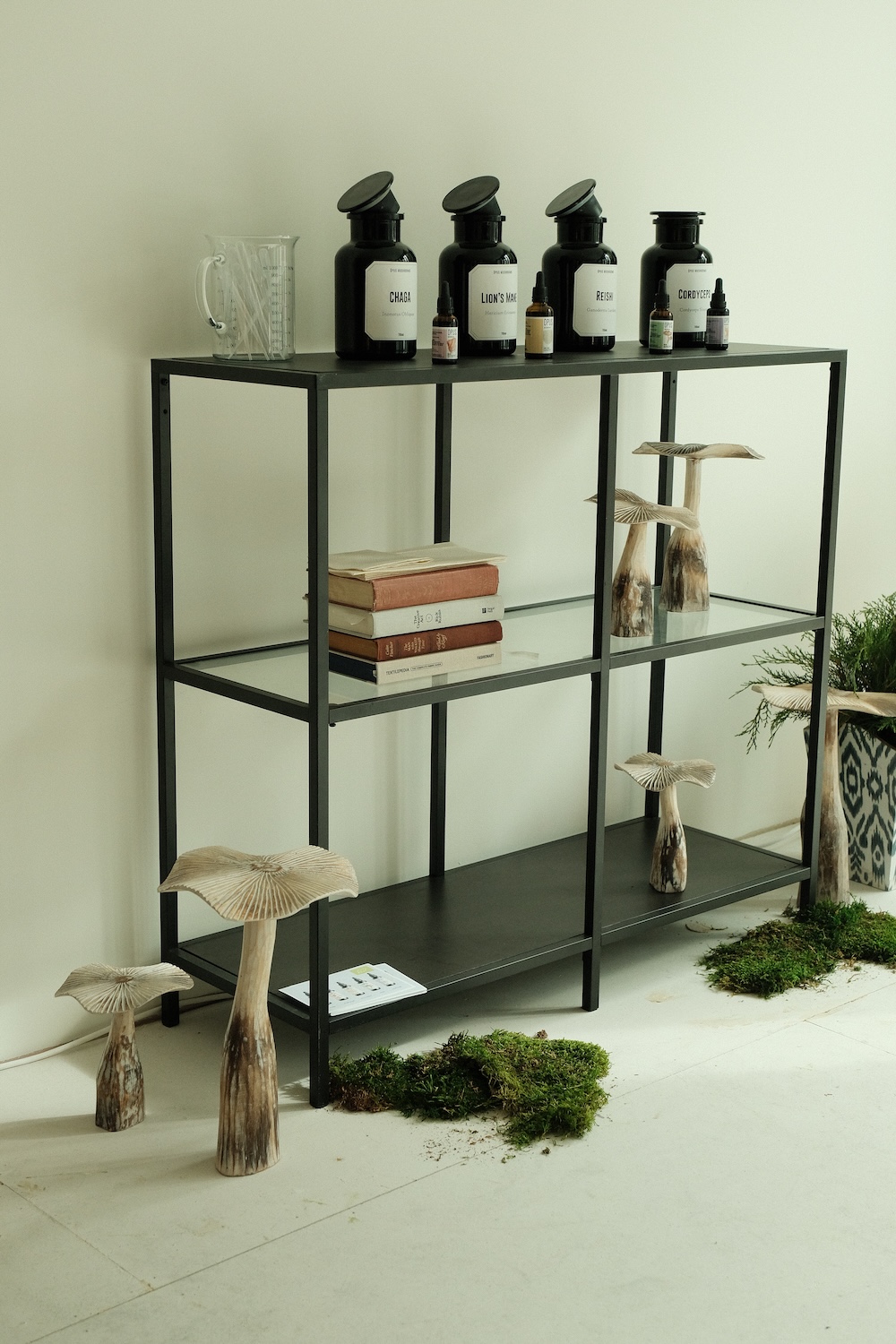
Anne’s advice is to look for three things on any label:
• The mushroom species, a good label definitely names it.
• The extraction method. “Dual extraction” is commonly used to capture both water-soluble and alcohol-soluble compounds, though it does not by itself prove efficacy.
• Whether the product uses fruiting bodies, mycelium, or both.
Check with a clinician before using tinctures regularly, especially if you take medications, are pregnant, or have an immune-related condition. This is general information, not medical advice.
She’s noticed so far that her clients seem to be predominantly women. “Women are much more open to alternative medicine, because we’re more careful and less about the quick fix… we’re much more in tune with our bodies and listen to them.” “My father… would call it kwakzalverij.”
Still learning, growing into the future,
and what’s coming next...
Retailers carry many products and cannot be expected to remember what every mushroom does. It took her months to learn it herself, and she is clear that the best way to explain a product like this is to stand behind it and ask people what they are hoping to find.
She is currently studying to become a retail pharmacist, and the training has changed how she thinks about her own habits. Her advice is the same as her business: inform yourself, because it is your body and your decision.
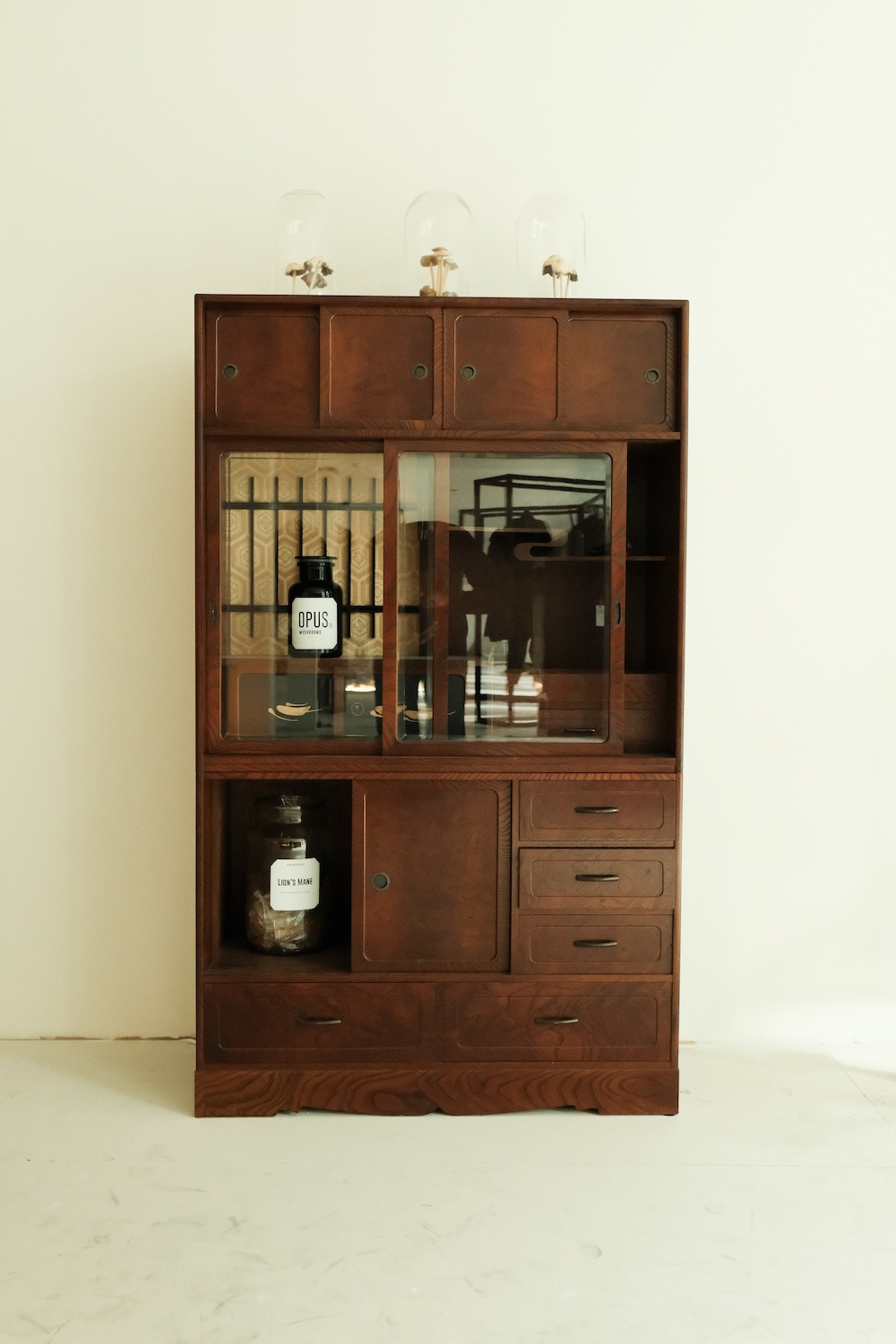
Opus Mushrooms joined Arcatype’s A Space For Time during Amsterdam Fashion Week and Glue Design Week; and it was wonderful to see the guests taste and try first hand.
Follow Opus Mushrooms on Instagram to learn more and get notified about when she is doing a next tasting session! The Lion’s Mane gummies are definitely a crowd favorite.
If you liked this article you might also like:
The Quiet Act of Choosing Well in a Noisy Wellness Culture, with Emili Udoma