
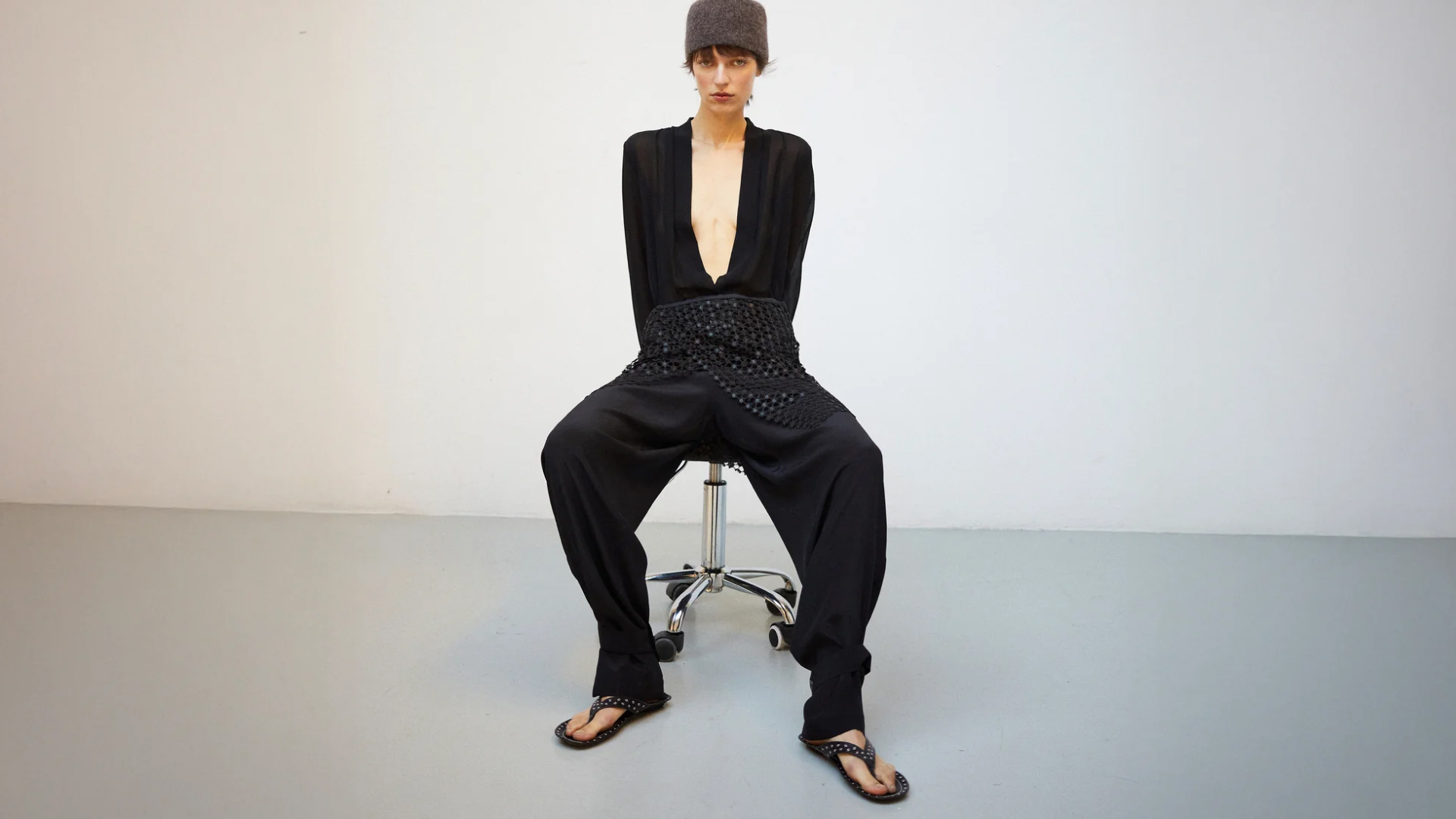
Made-to-Order: The designers solving overproduction by thinking backwards
What the garment industry often gets wrong is not production itself, but prediction. Overproduction is not a manufacturing accident; it is a system designed to reward guessed demand, inflated inventories, and the constant pressure to make more than people actually need.
Made-to-order reverses that logic. Nothing is cut until someone asks for it, which means no warehouse full of speculative stock, no heavy markdown cycle, and far less risk of garments being produced, discounted, and discarded before they are ever worn. It is a model built around confirmed demand rather than hope.
In many ways, this is not a radical invention at all, but a return to fashion’s oldest and most exacting principles. Haute couture has always understood that a garment made for one body, one client, and one use is not only more personal, but often more durable and more valued. What is new is the ability to apply that logic outside the atelier, at a scale and price point that independent brands can actually use.
For designers, the appeal is operational as much as aesthetic. Made-to-order reduces inventory exposure, eases cash tied up in unsold stock, and creates a more disciplined relationship between design, demand, and production. It also introduces a useful pause: the time between desire and delivery becomes part of the buying process, and that delay often leads to more considered purchases.
That is why the most compelling made-to-order brands matter now. They are not simply selling slower fashion; they are proving that a more intelligent production model can be commercially viable, environmentally lighter, and better suited to the way people actually want to buy today.
We’ve gathered a list of the most exciting emerging made-to-order brands, not only because they are reinventing production, but because they are helping shape a more intentional way of consuming. In doing so, they point toward a model that reduces waste, curbs overproduction, and supports the biodiversity our planet depends on.
Vanherèen Studio
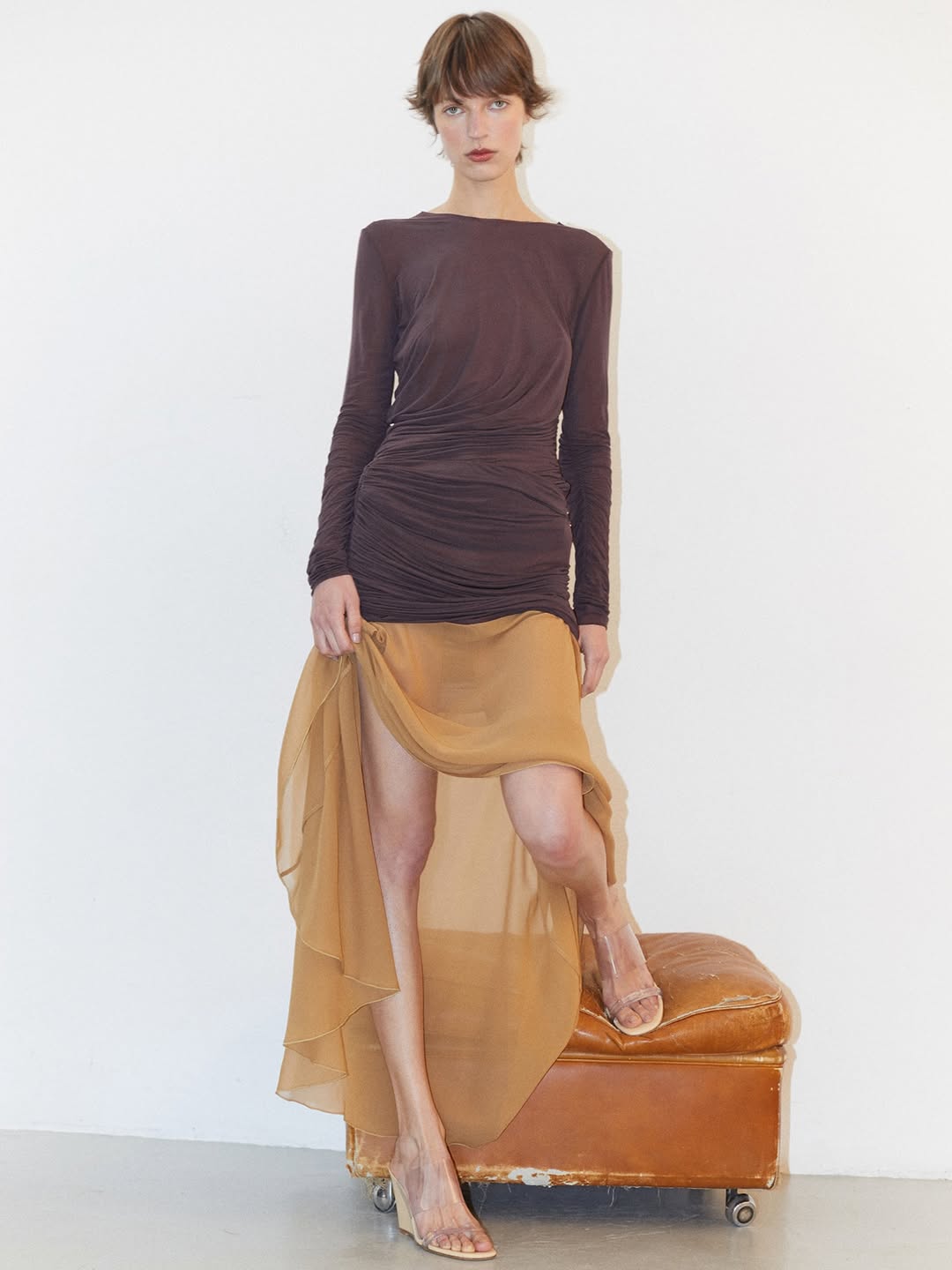
Vanherèen began in Rome, a city its founders describe as knowing both excess and subtraction in equal measure. The project rejects the label of brand entirely, presenting itself instead as a living archive: numbered capsules, no seasons, no mass production. Each piece is made to order in Italy by hand over fifteen working days, adapted to the client's own measurements, and limited by the length of the fabric roll. When the material ends, that chapter of the archive closes permanently. Part of the collection is built from deadstock fibres sourced from high-couture supply chains, materials that would otherwise be lost. Vanherèen treats them as origin. The handwritten number on each finished garment is not decoration. It is a record.
Kentroy Yearwood
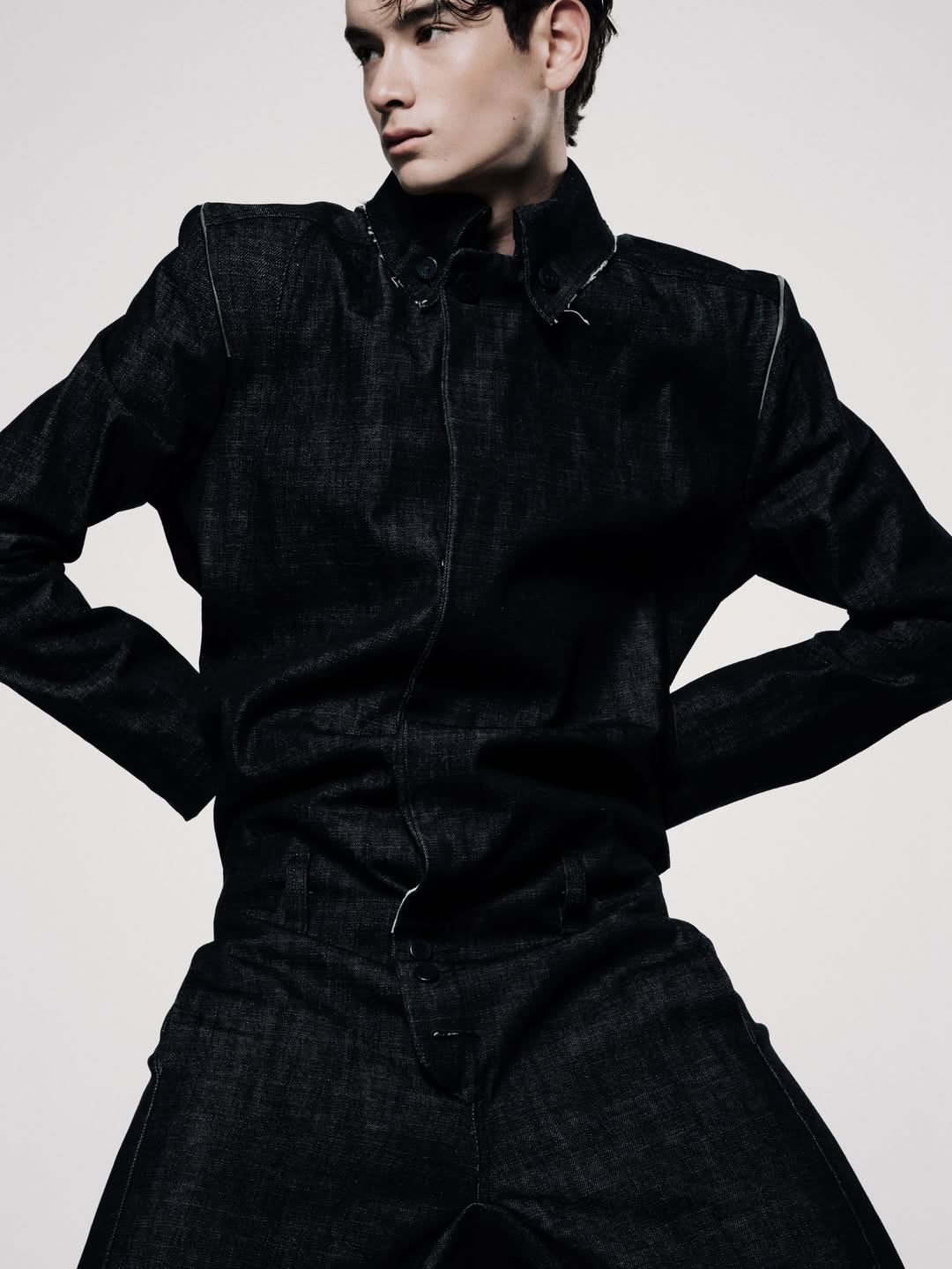
Kentroy Yearwood is a Curaçao-born Dutch designer based in Amsterdam and a graduate of the Antwerp Royal Academy of Arts. Before establishing his eponymous label during the pandemic, his work collaborated with Belgian and Japanese designers and worked in costume design and creative consultancy. His brand combines technical workwear, sportswear, and couture — with innovation and careful sourcing knowledge as primary drivers of every collection.
Elisabeth Bertelmann
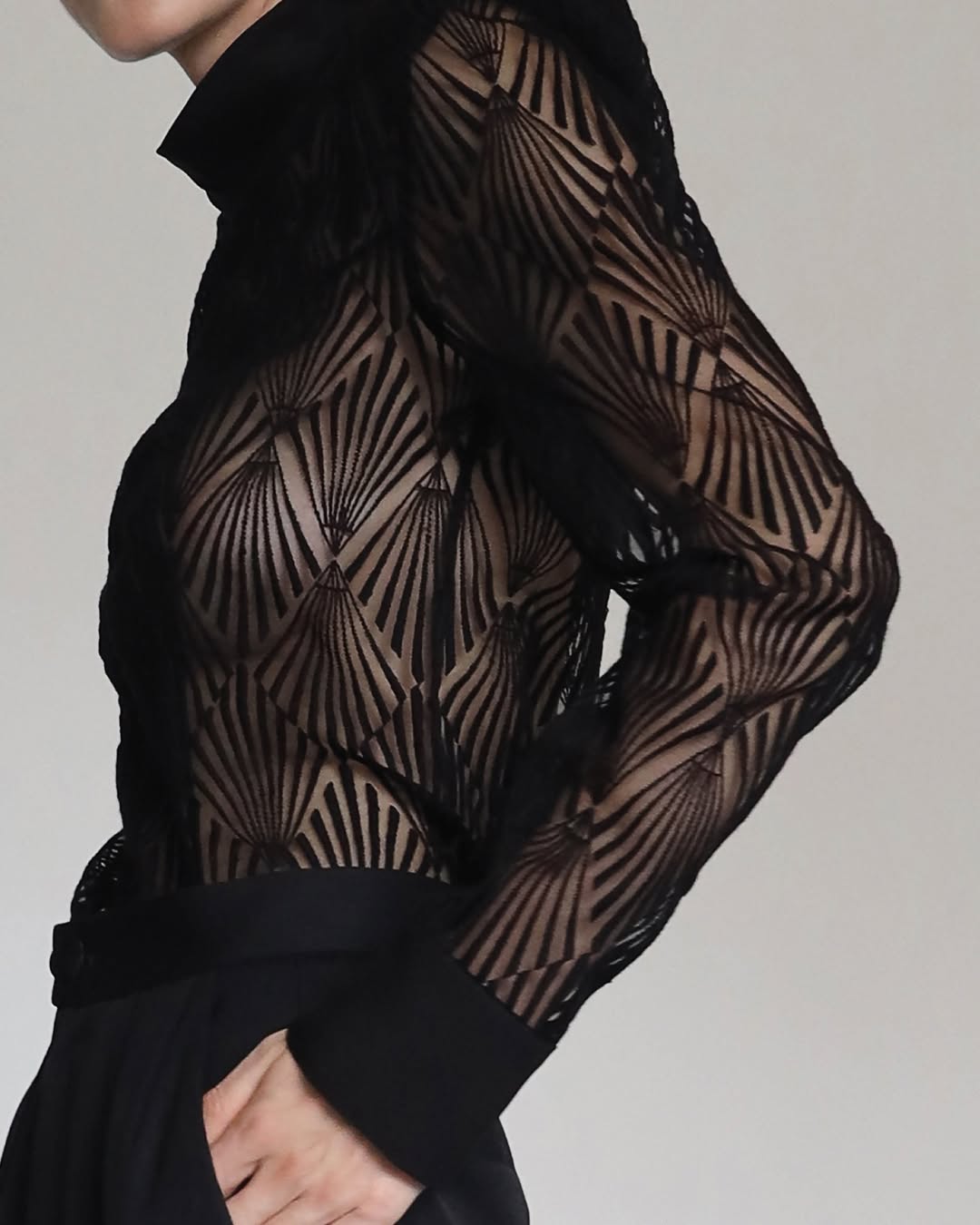
Elisabeth Bertelmann trained in the traditions of Wiener Werkstätte design culture and bobbin lace technique, and her label carries that lineage without sentiment. Each piece is conceived as a long-term wardrobe element: outerwear, suiting, and signature collar and blouse constructions that borrow from century-old silhouettes and are cut for everyday wearability. Bespoke pieces are available via private consultation in her salon. The waiting is part of it.

Morales Cortes
When Jaime Morales Cortes decided to launch their label, it was not out of impatience but out of hard-earned understanding. After designing for some of the industry’s most established names [Grace Wales Bonner & Alexander McQueen to be exact], the designer had seen what it truly takes to build something lasting, and that experience gave them the confidence to work more slowly, stay closer to the makers, and treat the process with the care it deserves. As Jaime puts it, “It still comes with risks, but it feels richer and more grounded in reality” and on the process they believe they dont want to overload the market with large productions of garments, as this approach truly no longer works.
Tess Van Zalinge
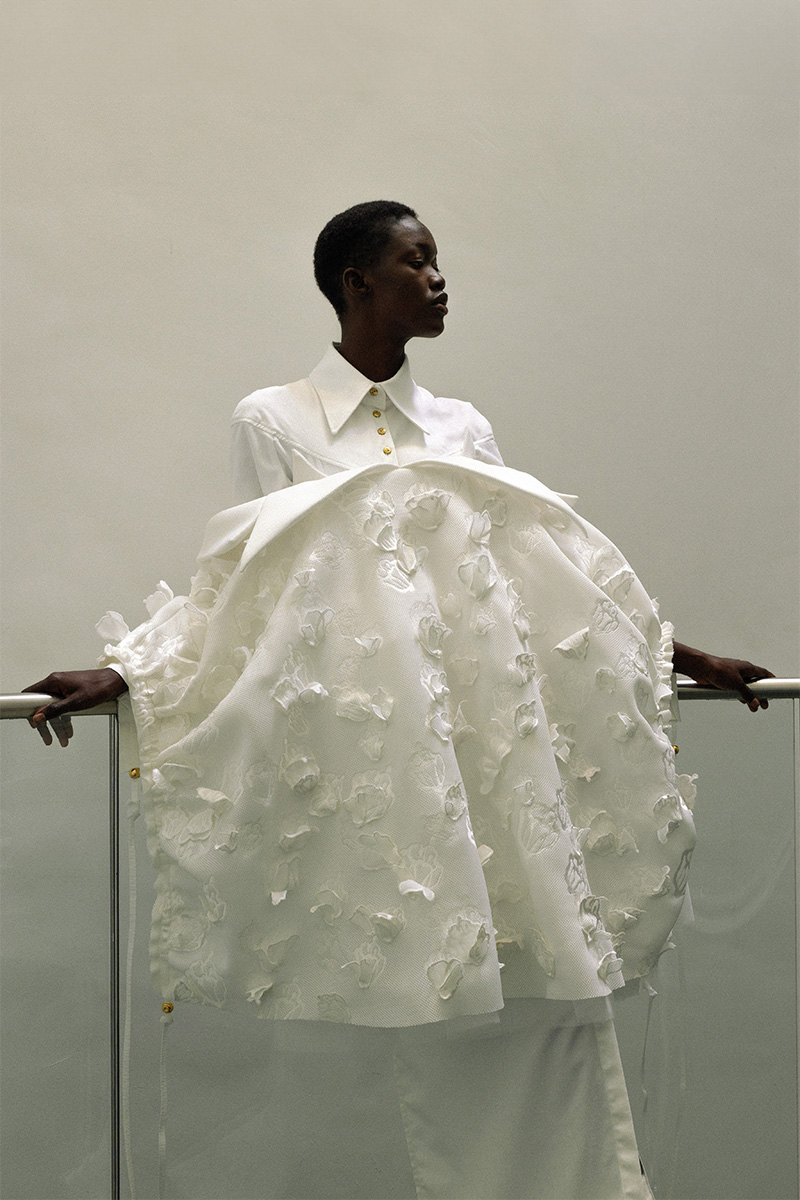
Tess van Zalinge launched her label in Amsterdam in 2016 with a clear focus: to celebrate Dutch heritage through the language of couture and demi-couture, without nostalgia turning into costume. Her collections, shown at Amsterdam Fashion Week and Copenhagen Fashion Week, draw on Dutch cultural memory, traditional craft techniques, and a reduced-waste production model in which pieces are available for both sale and rental. With a clear focus on process and structure, he pieces not only transcend generations but also the relevance to stand test of time.
Studio Rabbit
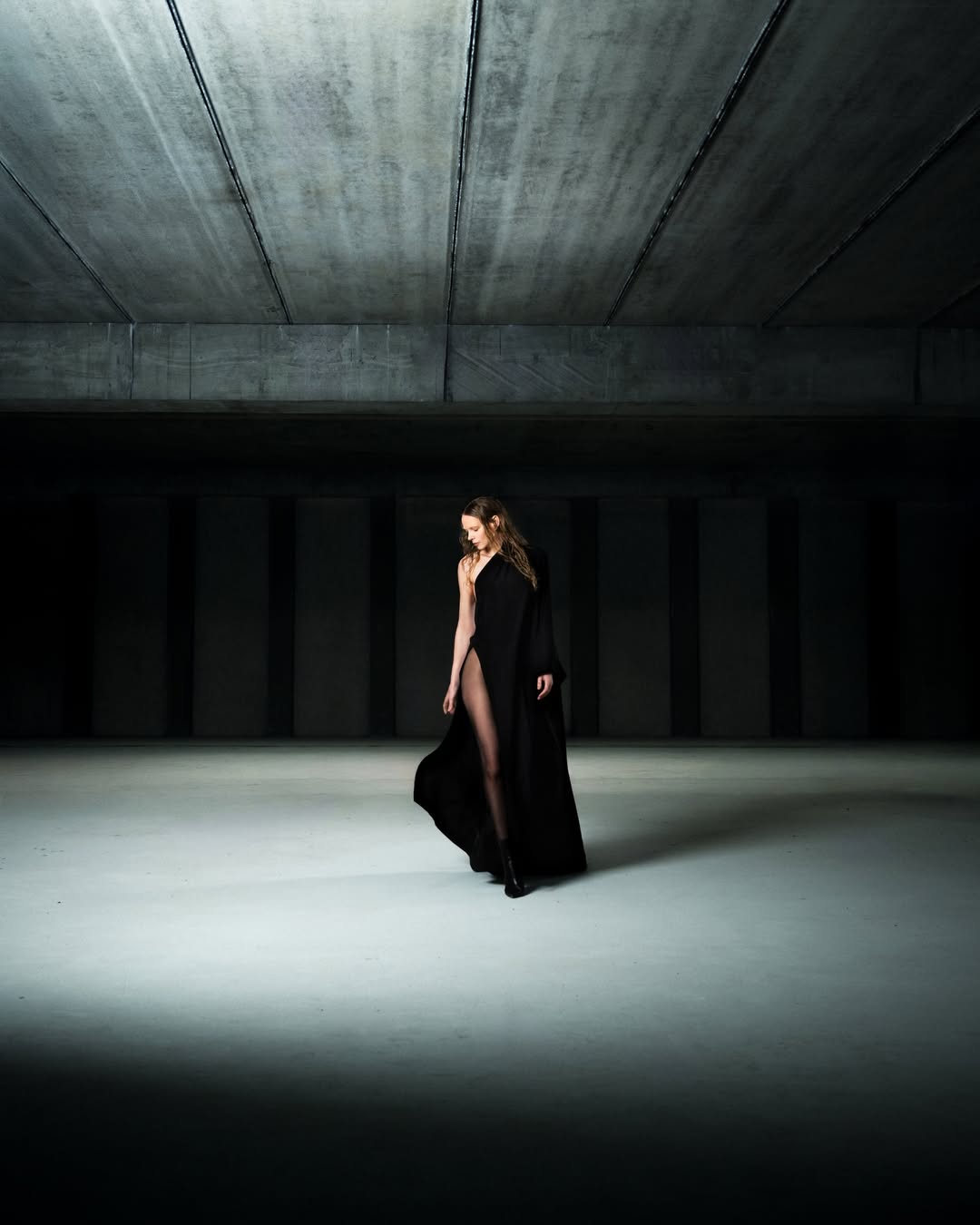
Studio Rabbit is the work of Inge Konijn, a Netherlands-based designer whose label operates almost entirely outside the logic of seasonal production. Her kaftans and garments are handmade with close attention to material and construction, and each piece is treated as a singular object: numbered, documented, made only when called for. Konijn has also developed a separate strand of the label built around hand-stitched rabbit figures, each dressed, numbered, and accompanied by a certificate of authenticity. It is the kind of practice that resists easy categorisation, which is precisely its point.
Haus Nuller
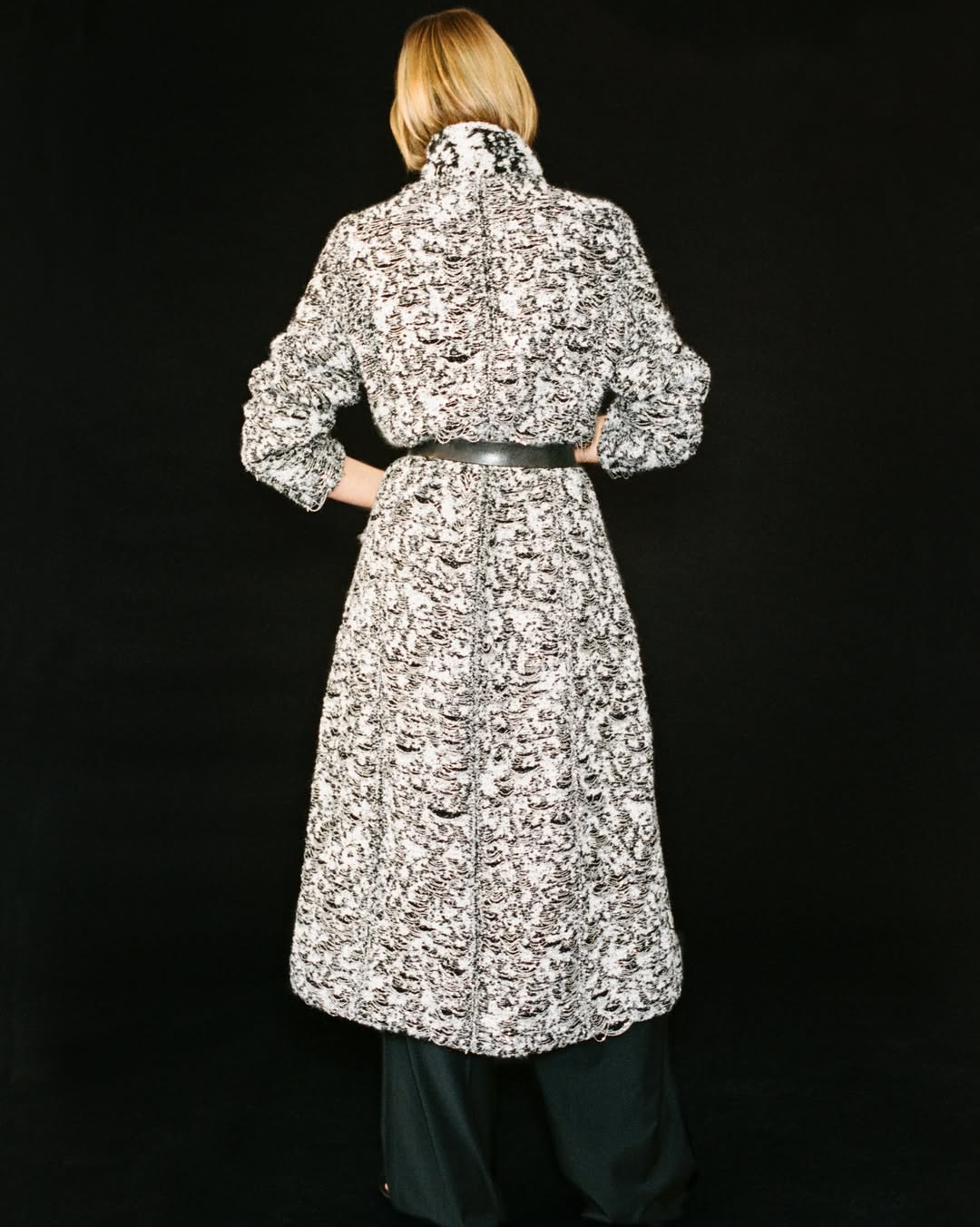
Haus Nuller is the label of Chiara Angelica Gandini, a 27-year-old Central Saint Martins graduate from Brescia who launched her work at the Venice Biennale in May 2026, exhibiting within a Dorsoduro palazzo in an installation developed alongside studio Formafantasma. Her method is rooted in weaving: merino and alpaca wool threads worked on specialist looms by a team of women weavers across Barcelona, Prato, the UK, and Finland, with stainless steel chains woven through the weft. The process is slow by necessity. Each pixel in her digital patterns corresponds to one thread. Gandini's position is deliberate: one collection per year, consulting work alongside it, and a clear view that the industry does not need more clothes. It needs more ideas.
Johannes Warnke
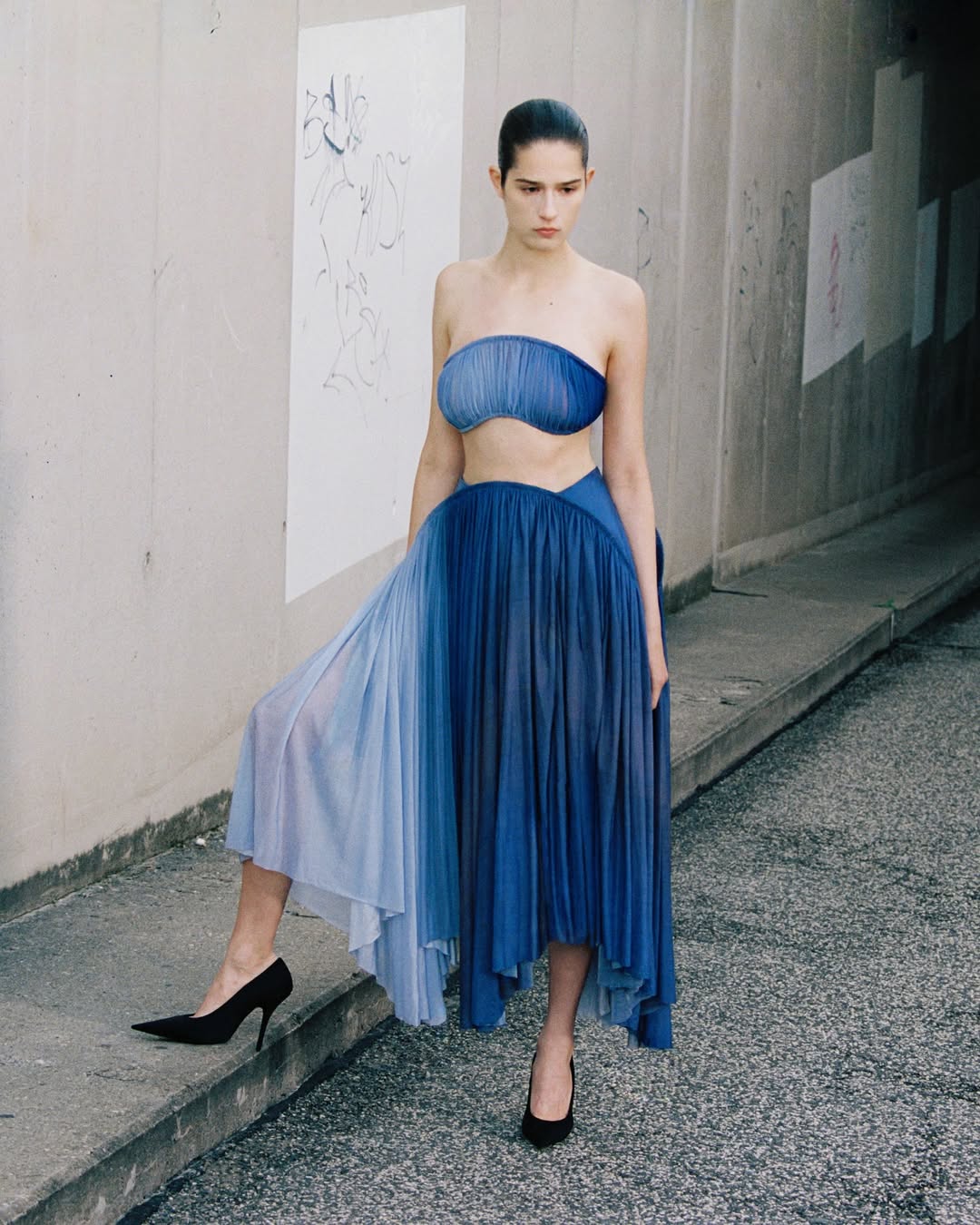
Johannes Warnke grew up in a small German town shaped by stained glass, trained at Central Saint Martins, and spent time as an intern at Balmain, Viktor & Rolf, and Charles Jeffrey before building his own practice around a draping technique that remained consistent from the beginning: wire and translucent fabrics sculpted into forms that float around the body. He dressed Björk and Grimes, showed with Fashion East, then took an intentional pause in 2023. His Spring/Summer 2026 collection, photographed by Vitali Gelwich, reintroduced sequins layered under fine gradient jerseys, natural dyes referencing the cubist glass works of Georg Meistermann. Warnke produces deliberately, and only to order.
Advani London
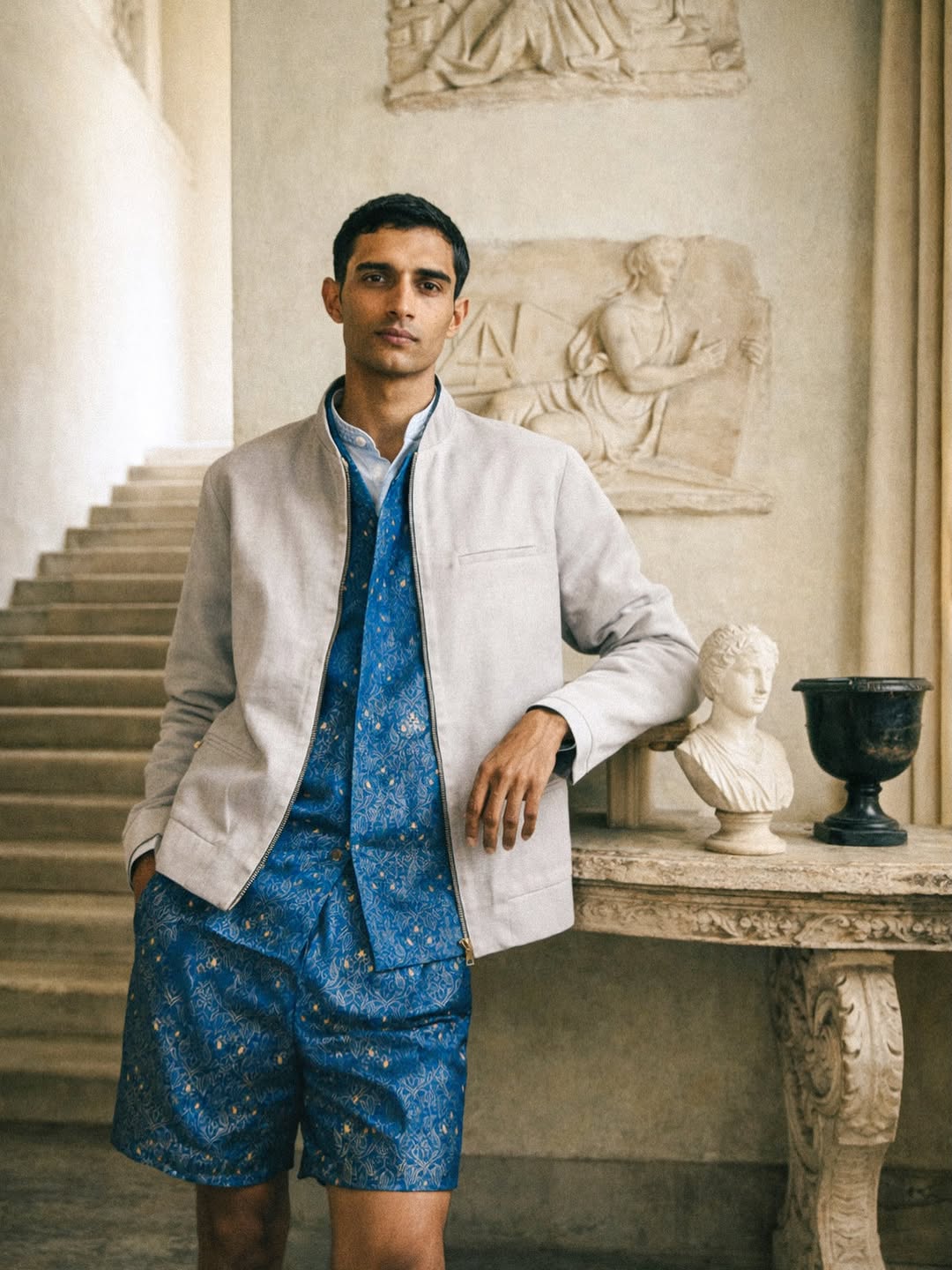
Advani London is a menswear label founded on the premise that European tailoring and Indian craft heritage are not opposites to be reconciled but a single tradition waiting to be spoken in the same sentence. Handmade in London, the brand works in bespoke and made-to-order, using the architecture of British suiting as the starting point and subcontinental textile culture as the informing vocabulary. The result is clothing for people who find both traditions genuinely interesting, not as fusion, but as inheritance.
Grand Lè Mar
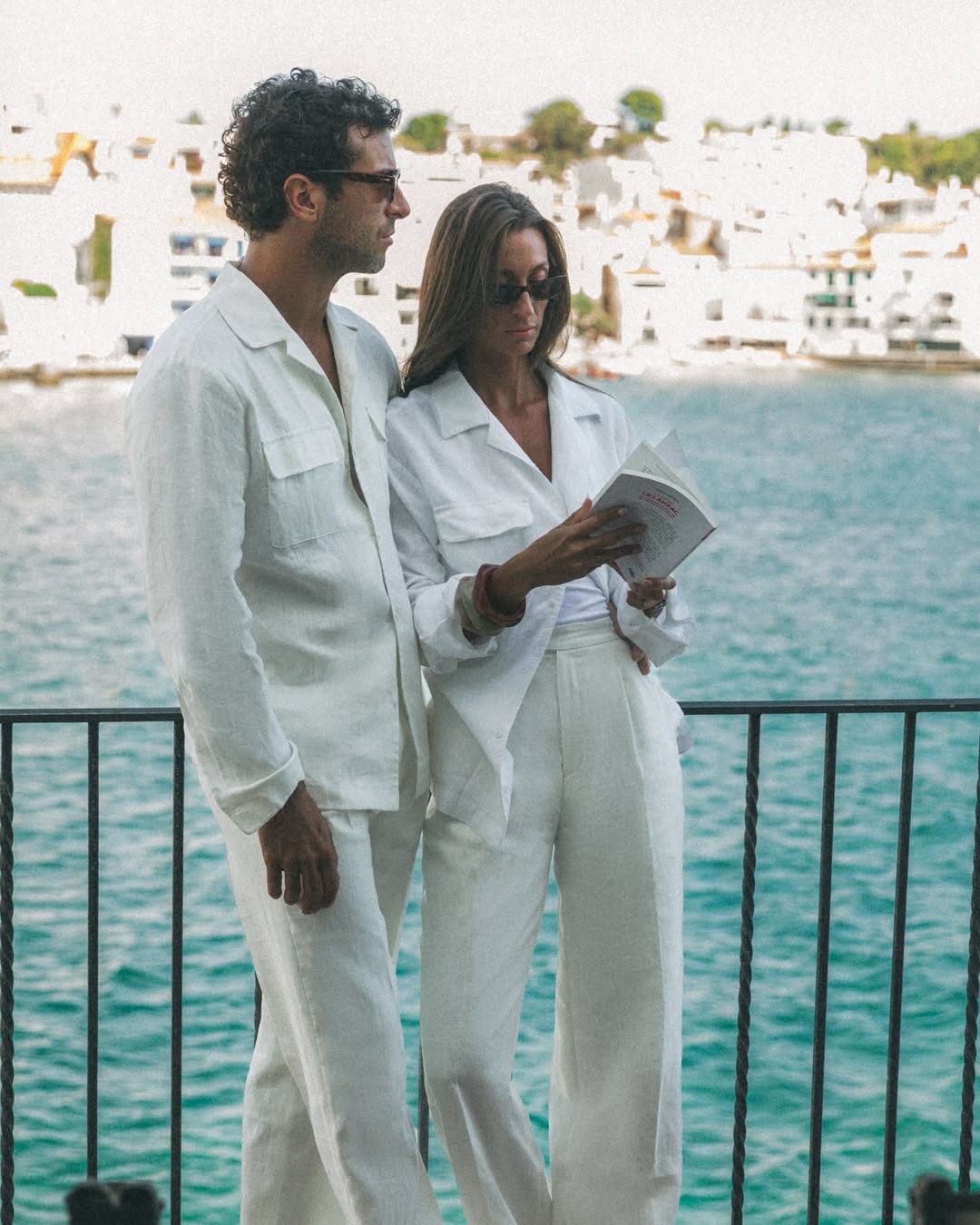
Founded in Stockholm in 2019 by brothers Oscar and Gustaf Hegelund, Grand Lè Mar set out to do something specific: traditional tailoring at a price point that didn't require a legacy name behind it. Every garment uses Italian fabrics from mills including Loro Piana, Vitale Barberis Canonico, and Albini Group, and the construction follows classic tailoring methods rather than fast-cycle pattern cutting. The brand now ships to over 30 countries, operates a flagship in central Stockholm and a presence in New York, and recorded turnover of 23M Swedish kronor in 2025. Made-to-measure is available alongside the core collection.
Lotte Van Stijn
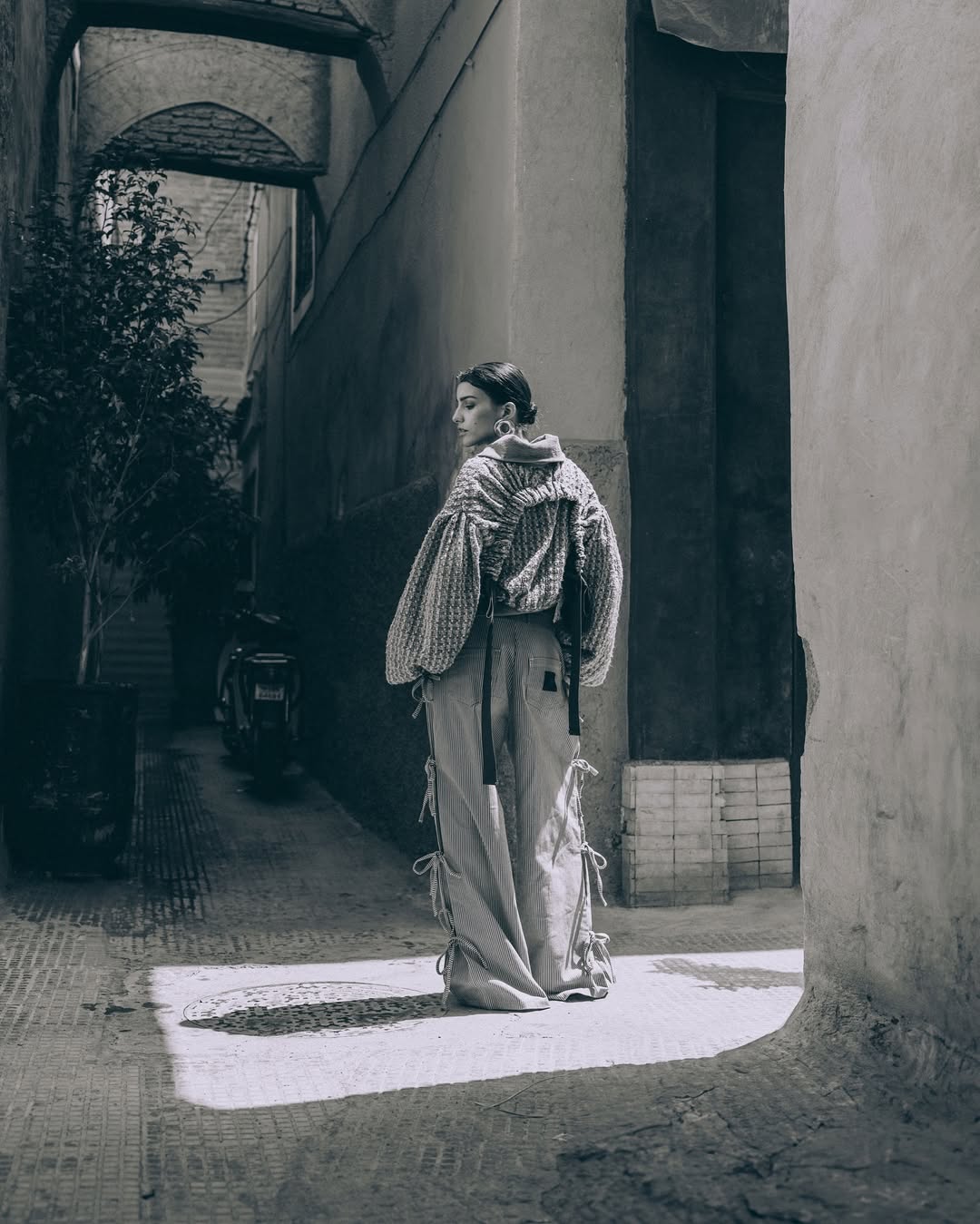
Lotte van Stijn graduated from the Amsterdam Fashion Institute cum laude in 2022 and launched her label the same year. Her work grew out of a specific intersection: the biomechanics of track and field, which she competed in seriously, and the construction possibilities of technical textiles. The graduation collection, 'l'unité dans la féminité', explored that territory through voluminous, power-dressed silhouettes, and was subsequently shown at Vancouver Fashion Week FW23. Each piece is made to order.
Atelier Stefani
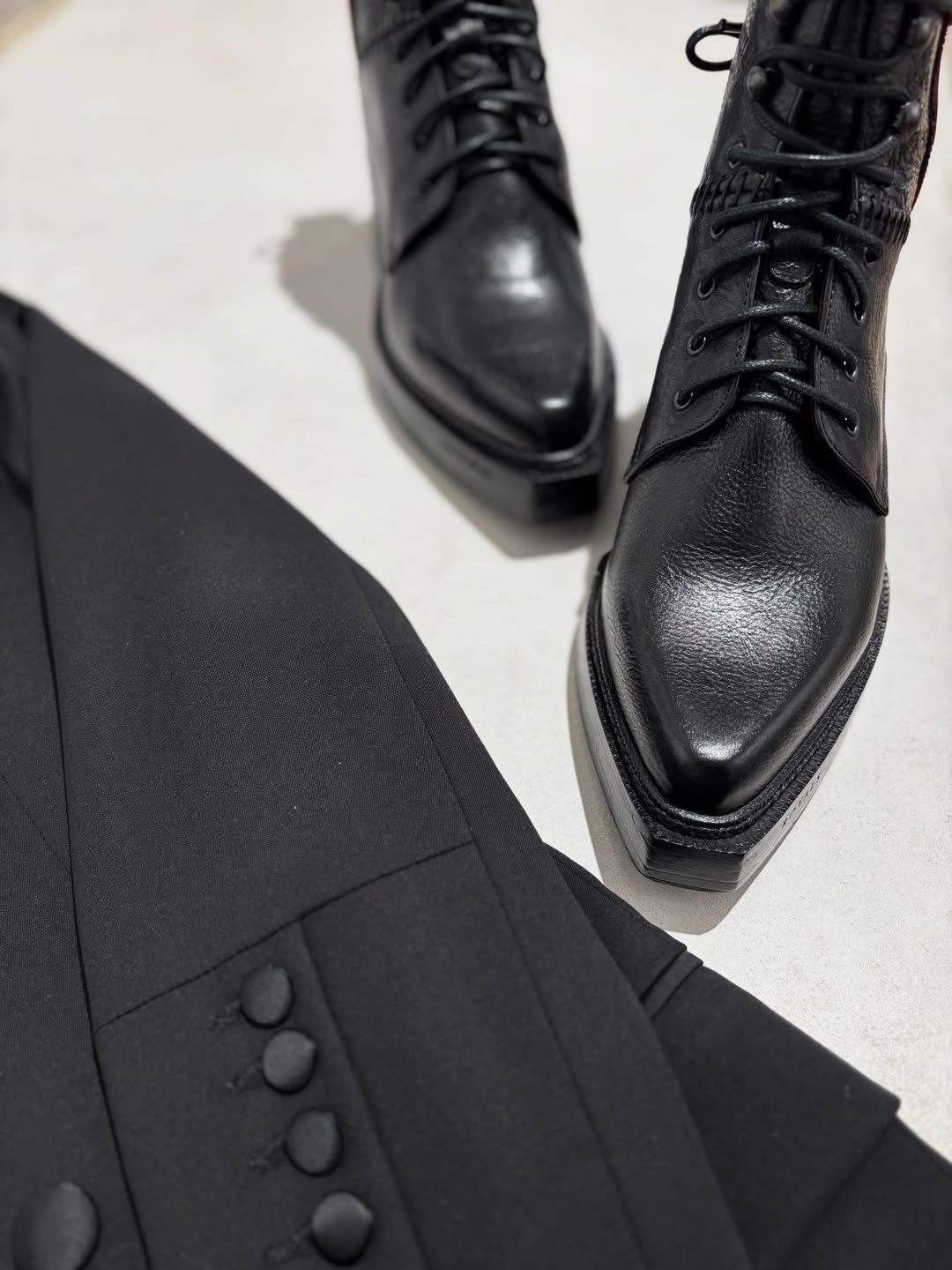
Atelier Stefani makes shoes and accessories to order, working from a position that footwear is the part of a wardrobe that most people get wrong: bought for the season rather than the decade, chosen for the trend rather than the foot. The label's work is grounded in construction: materials selected for longevity, silhouettes restrained enough to travel far across a wardrobe, and a production model that means nothing exists until it is asked for.
Arcatype is a cultural platform, supporting emerging brands and designers with new spaces for discovery. Currently we are working towards the first version of our product to launch in September of 2026. If you are developing unique made-to-order products or know any brands that belong in the conversion, we'd like to hear from you.